

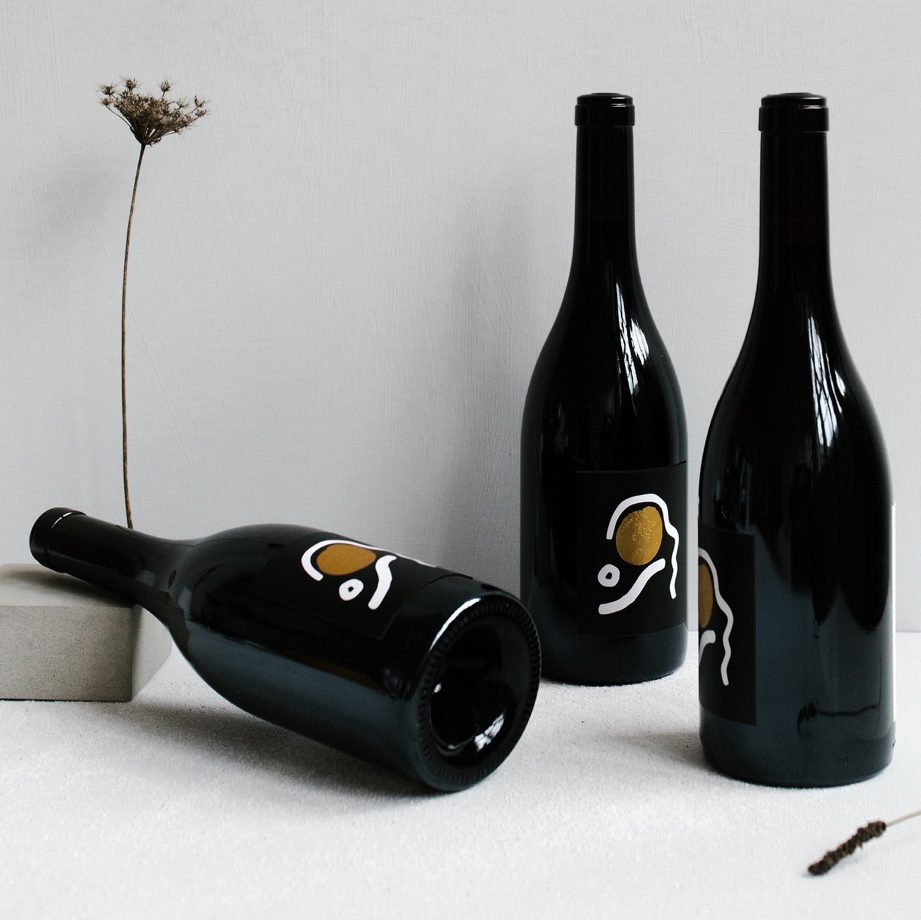
What's Sustainable Wine?

Organic, sustainable, biodynamic – we break down the labels in your favorite bottle.
Wine is my personal favorite drink during dinner. It brings out the bubbliness within my personality. Plus, research indicates that drinking dark wine has antioxidant properties and reduces harmful inflammation. Environmental awareness within the wine industry is growing, but all the different labels, like organic, biodynamic, and natural, could be confusing. Pour yourself a glass and let's break it down.
There are wines made with organic grapes and wines that are entirely organic. If only the grapes are organic, which means the winemaker probably added “chemical clarifiers” and sulfites that kill wild yeast and bacteria. Organic wines are based on the USDA as a process where synthetic fertilizers, pesticides, along with other chemicals are entirely excluded. Because organic wine does not have synthetic sulfite preservatives, organic wines may have a shorter shelf life.
The idea behind biodynamic wines is to foster an engaged local ecosystem. These wines satisfy the same criteria of wines which use organic grapes, but they also must use natural pest controls and harness fertilizer that comes from the farm. Many have animals that contribute to the winemaking process by controlling weeds or producing fertilizer. Biodynamic vino is certified by a nonprofit called Demeter, as opposed to a government agency. There's no lot of science clarifying the advantages of biodynamic wines, but there is without doubt the holistic, ecosystem-forward approach creates unique wines and a healthy relationship using the land.

Natural wines are probably the most trendy from the “sustainable” wines. The concept – much more of a concept than the usual regulated category – is to have very little human intervention as you possibly can. Wine in its most pure, fermented grape juice form – no herbicides, pesticides, or lab-grown yeast.
Here are several other certifications which are best to learn about:
#1 – California Sustainable Winegrowing Alliance
Introduced back in 2010, the CSWA requires water efficiency, energy efficiency, pest management, waste management, wildlife habitat, neighbors and community safety, employees, contributions, and a transparent supply chain.
#2 – Lodi Rules
A California based organization established in 2005, Lodi focuses on creating organic sustainable viticulture programs. It introduces wine growers to over 100 sustainable practices while keeping focused on six main chapters within their work, including business management, human resource management, ecosystem management, soil management, water management, and bug control.
#3 – SIP Certified Sustainability In Practice
A rigorous wine certification that addresses the 3 “p's” of sustainability – people, planet, and prosperity. Wineries must provide documents to meet over 50 requirements to achieve a certain percentage score on their own assessment.
#4 – Live Certified
Established in the Pacific Northwest in 1999, this certification company focuses on using the latest research-based approaches to environmentally and socially responsible winegrowing.
Investing in sustainable wine not only supports local farmers, additionally, it reinforces the thought of following ethical business practices which are good for the folks and the planet. Maybe there won't be this called sustainable wine later on, since the world is going to be living more sustainably and it'll you need to be, well, wine!


