

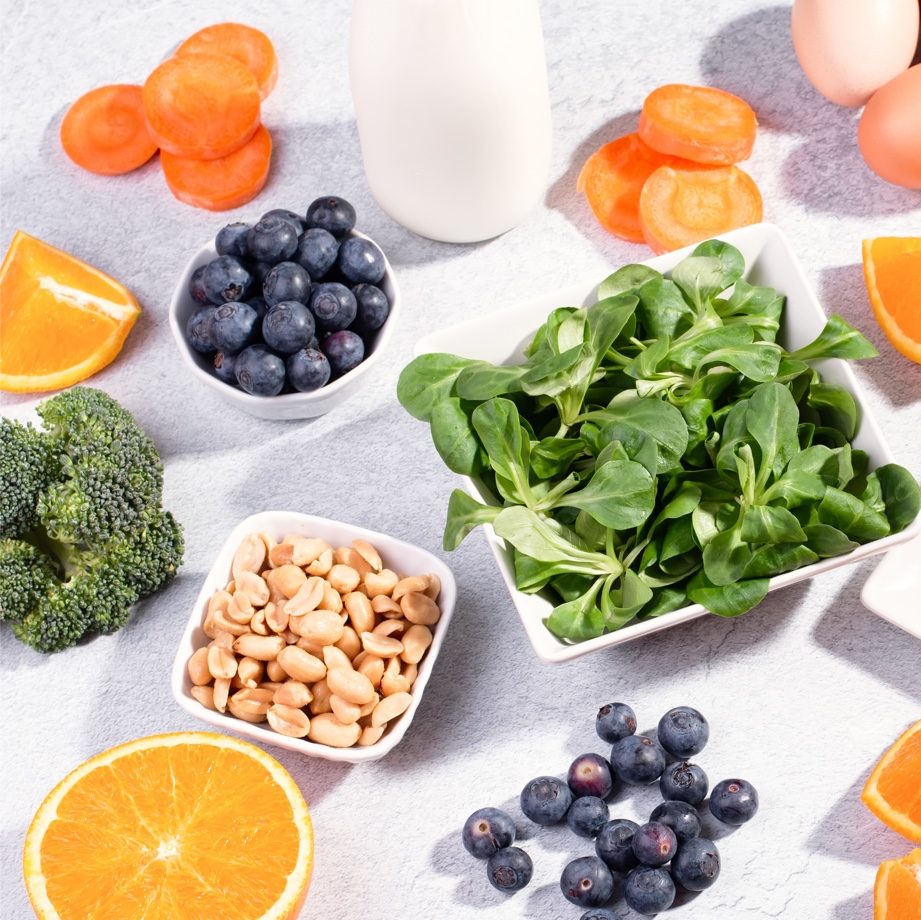
The 5 Best Foods For Brain Health

Studies show particular foods support improved brain health insurance and better cognitive function.
If you are what you eat, what am i saying for the brain? Nutritionists and scientists have begun looking at how your diet impact our minds. And, based on researchers at the Mayo Clinic, eating patterns, like the recently developed MIND diet, which means the Mediterranean-DASH Intervention for Neurodegenerative Delay and is a brain-supporting hybrid of two existing eating styles, does exactly that.
In fact, researchers have discovered that what you eat can prevent loss of memory while you age and keep you sharp – foods like leafy greens, fruits, and healthy fats can result in improved memory and cognitive function. “When you are looking at brain health and cognitive function, healthy fats really are a must. In particular, foods which are full of omega-3 essential fatty acids,” says registered dietician Katey Davidson. Listed here are the best foods for fueling your body and your brain.
1.
Fatty Fish
Davidson says that fatty fish are an excellent source of EPA (eicosapentaenoic acid) and DHA (docosahexaenoic acid), the omega-3s she says are most significant for thinking processes. Those omega-3s have also been associated with lower levels of the protein related to Alzheimer's disease. Look for low-mercury fish, like salmon, light tuna, or cod, and consider eating them twice each week.
If you're not an animal-eater, you can get similar nutrients from an omega-3 or algae-based supplement. Or, try to get the healthy fats and acids from foods like avocados, flaxseed, and walnuts.

Hawaiian poke bowl with salmon, avocado, cucumber, tomato, and red cabbage. Photo thanks to Twenty20.
2.
Nuts
Speaking of nuts, they're another solid source of omega-3s and alpha-linolenic acid. Also they are filled with e vitamin, that has been shown to reduce brain stress. Walnuts in particular happen to be associated with higher test scores, based on a 2022 UCLA study. The nutrients in nuts are also associated with lower blood pressure, so they're good for your heart, too. Grab a few or sprinkle them on oatmeal or salads.
3.
Leafy Greens
Kale salads aren't just trendy, they're ideal for mind-body function. Mayo Clinic researchers discovered that leafy green ones like kale, collards, spinach, or lettuce were shown to lower the chance of dementia and cognitive decline. They've been proven to be particularly good at staving from the impacts of aging-related cognitive decline.
Even if you aren't approaching retirement, greens are packed with nutrients like folate, vitamins E and K, carotenoids, and flavonoids which are known to improve brain health. And they're linked to a range of other positive health outcomes from heart health to lowered obesity risks, so there is no harm in loading up.
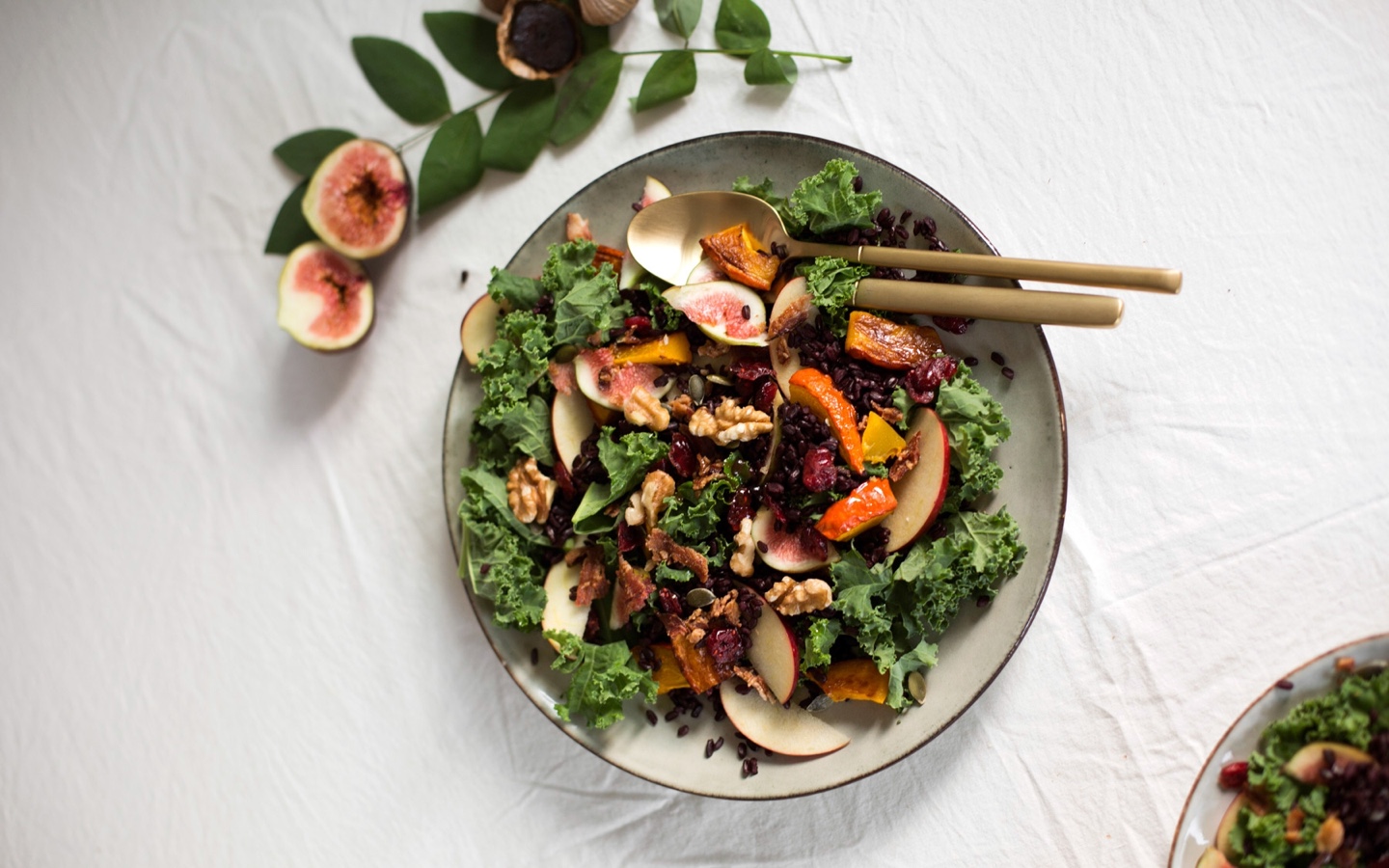
Salad with kale, fresh figs, apples, walnuts, and dried cranberries. Photo courtesy of Twenty20.
4.
Berries
Want something just a little sweet? Berries, like blueberries, strawberries, and blackberries, contain flavonoids. Natural plant pigments that give berries their color are also shown to improve memory and thinking processes. A Harvard study discovered that women who ate several servings of strawberries and blueberries each week delayed memory decline by as much as two-and-a-half years!
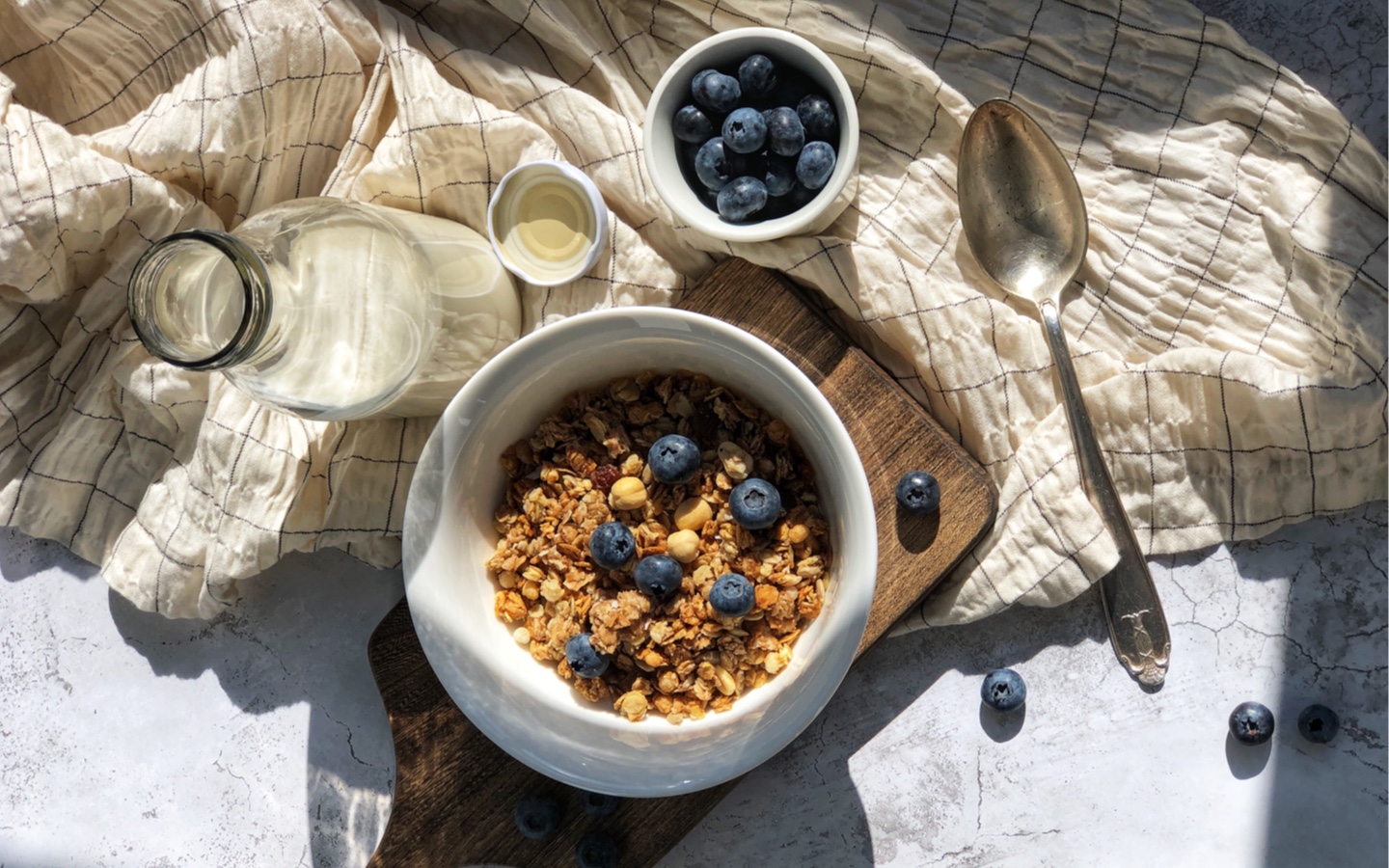
Granola with blueberries. Photo thanks to Twenty20.
5.
Beverages
A selection of research has shown the protein L-theanine in green tea extract can reduce anxiety and improve memory and a focus. Vice-wise, research has discovered that caffeine, inside your daily tea or coffee, may elevate alertness and that moderate drinking – say one glass of wine an evening – can have benefits.
As far as supplements go,Davidson says zinc, magnesium, and Vitamin b, generally, are essential for brain health.
And when it comes to no-gos, reducing meat, which is high in saturated fat, is a core tenant of the MIND diet. Processed sugary foods are known to dim our cognitive function, too.

Matcha powder with bamboo whisk and scoop. Photo thanks to Twenty20.


