


A Pink Smoothie to Celebrate Strawberry Season
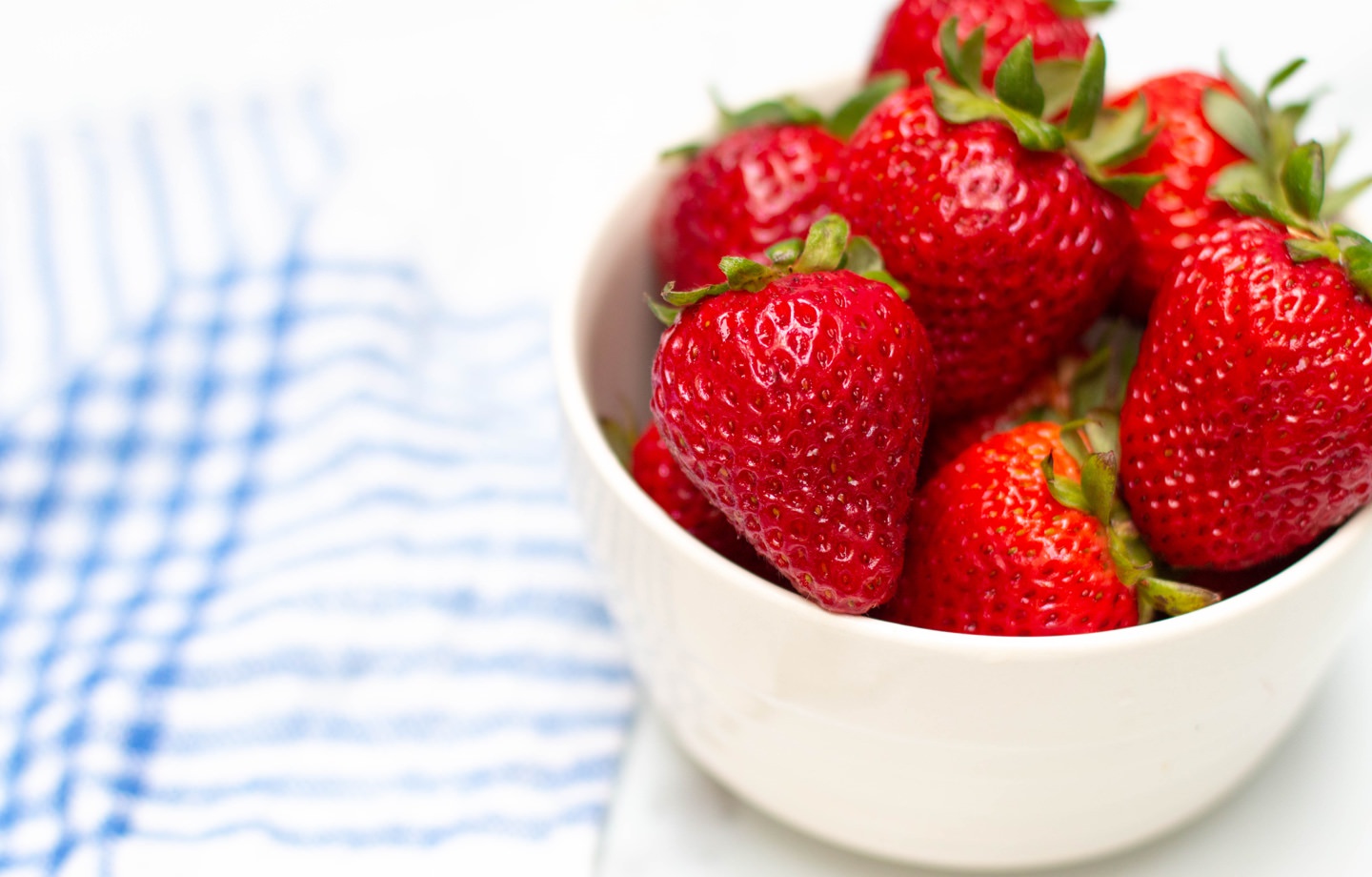
Is there ever a better way to welcome summer compared to selecting a batch of ruby red strawberries? We don't think so. Far in the watered-down strawberries sold year-round at the local supermarket, the plump, juicy-sweet red berries from the warmer months are what true strawberry season tastes like. Sweet, sunny- in a word: summer.
Plucked from beneath vibrant green foliage grown (ideally) sans-pesticides and genetic modification, the main difference between an in-season organically-grown strawberry and it's conventionally grown, the year-round counterpart is, in a word, astonishing. Have you ever cut into a delicious-looking strawberry, only to find out it's white or hollow inside and tasteless?
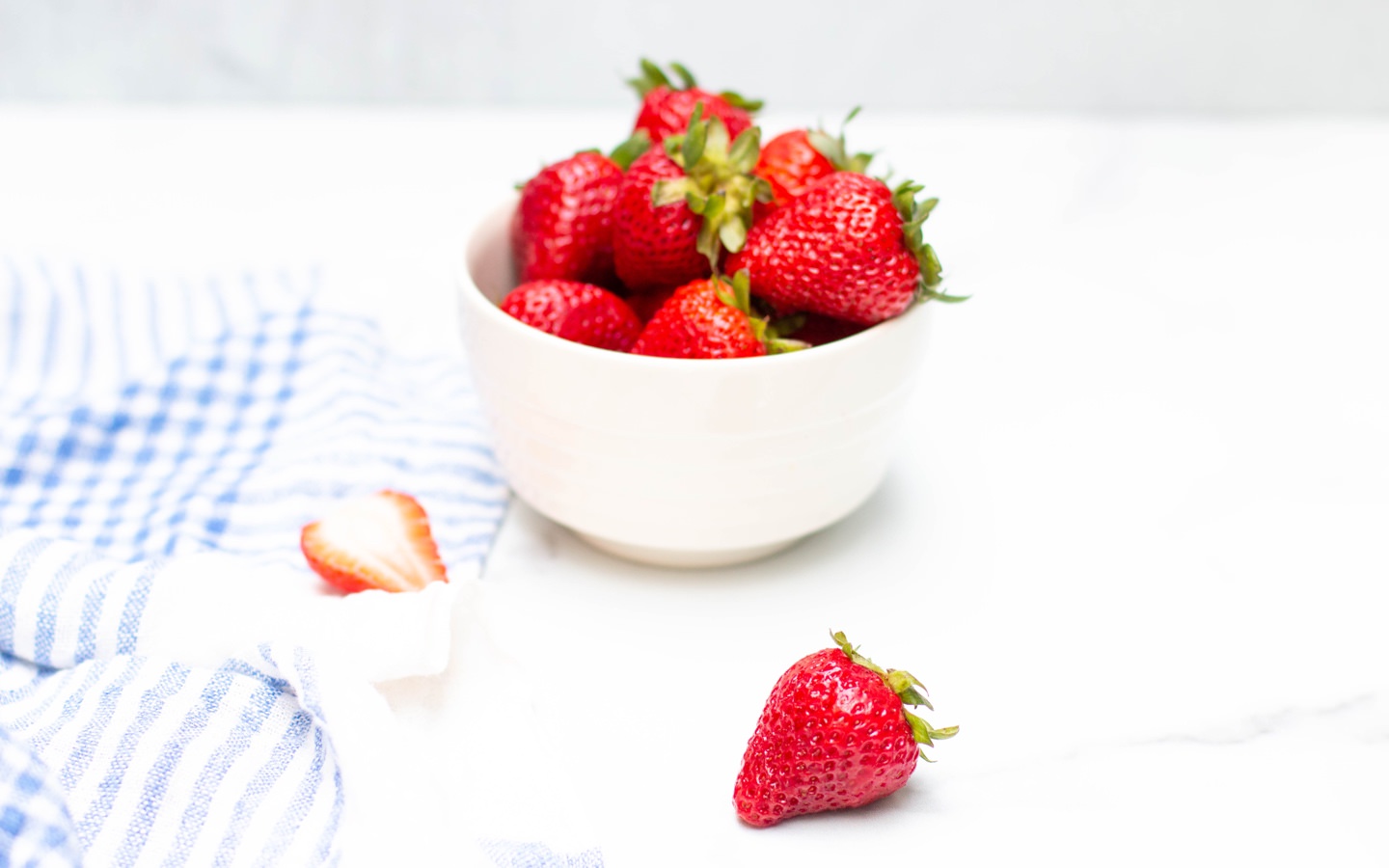
Ideally, a ripe strawberry is a that's typically bright red on the outside (redness is not actually always an indication of ripeness, strawberries can be orange as well as white-ish), and red inside – sweet and tasty. When a berry is hollow, they typically spoil faster due to the existence of oxygen, and since hollowness is generally caused by rapid growth, a hollow center could mean your berries were grown using inorganic fertilizer. Another reason why organic is definitely the best choice with regards to produce – strawberries especially.
The Dirty Dozen
Why if you undertake organic strawberries? Two words: Dirty Dozen- will the name problem? Perhaps more appropriate towards the latest Western flick at the local cinema, the Dirty Dozen is actually the term used by environmentally friendly Working Group to explain the top twelve pesticide-laden fruits, vegetables and berries. Topping that list? Strawberries. Why do conventionally grown strawberries get such a bad score? Pesticides, and lots of them. Inside a test conducted by the U.S. Department of Agriculture, strawberries grown with pesticides had close to 8 different types of pesticides per sample – compare that to the typical 2.2 pesticides shown in most other produce. But that's only some of the reason to be concerned. Conventional strawberry farmers typically also use a poisonous gas to sterilize fields before planting to kill off pests and weeds – which has devastating effects around the bees, birds and animals that will otherwise bring about the pollination and spreading of seeds.
Buying organic is beginning to appear better and better isn't it?
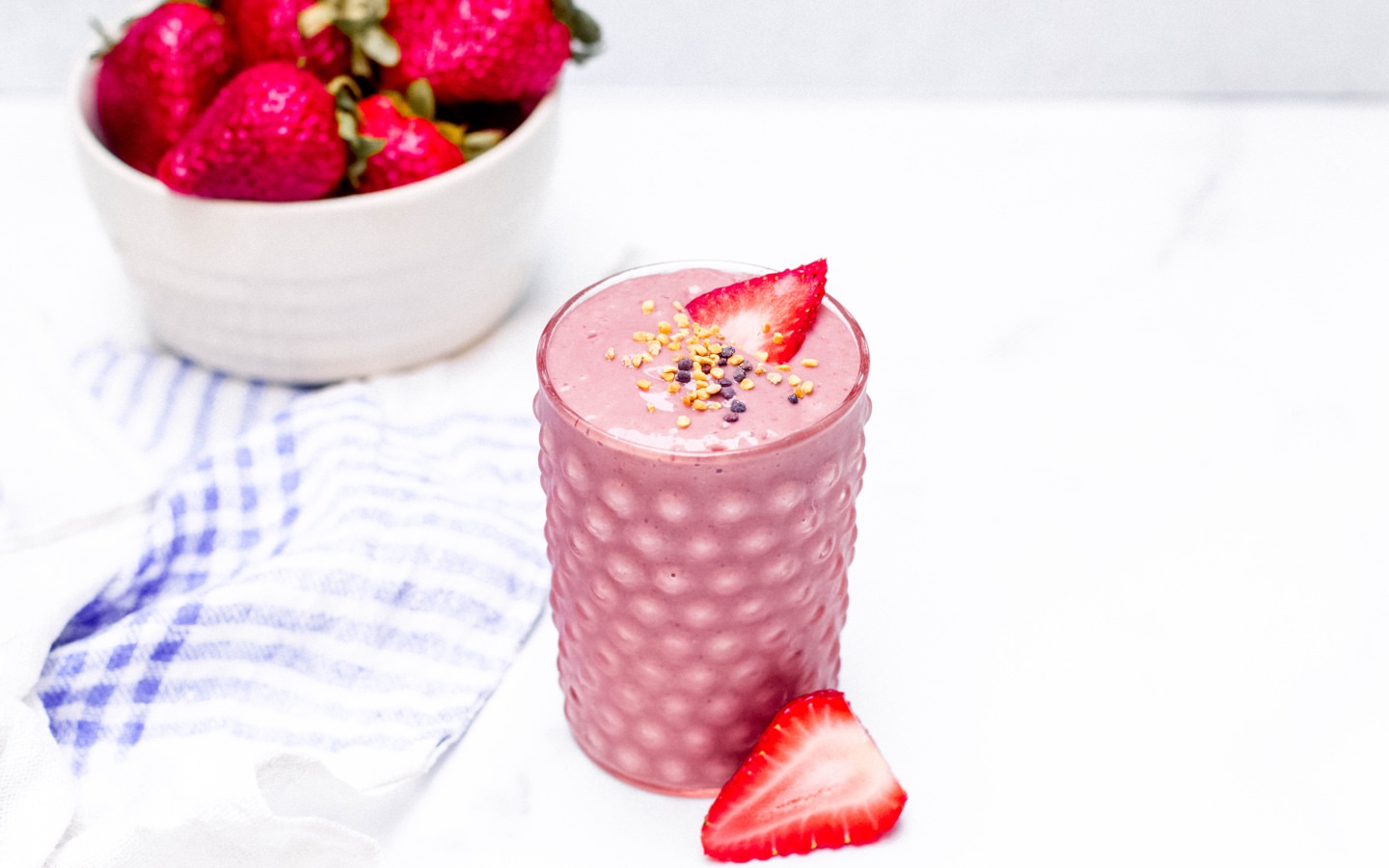
You can read more about the importance of choosing organic strawberries – and explore other varieties – the following, but if you've already picked your bushel of fresh, chemical-free berries, it's time to put them to make use of! While you can't go wrong having a strawberry pie, cake, or perhaps a bowl of these sprinkled with coconut sugar, we think a strawberry smoothie is a fantastic way to begin your day or fuel up after a summer workout. The recipe below is straightforward, refreshing, and tastes about as near to a strawberry milkshake as possible yet still be healthy. Whip it up today to enjoy strawberry season in all its glory:
Strawberry Smoothie
Serves 1
- 8 oz. plain unsweetened milk of choice
- 1/2 cup frozen organic strawberries
- 1/4 ripe avocado
- Small chunk frozen ripe banana
- Pinch of lemon zest
- 1 scoop plant-based vanilla protein powder
- Small number of ice
Optional add-ins*:
- Hemp seeds
- Maca
- Ground flax seed
- Spirulina
- Chlorella
- Cinnamon
- Handful leafy greens
*Choose 1-2 for the best results
Optional toppings:
- Low-sugar granola
- Bee pollen
- Drizzle of almond butter
- Toasted coconut flake
How to:
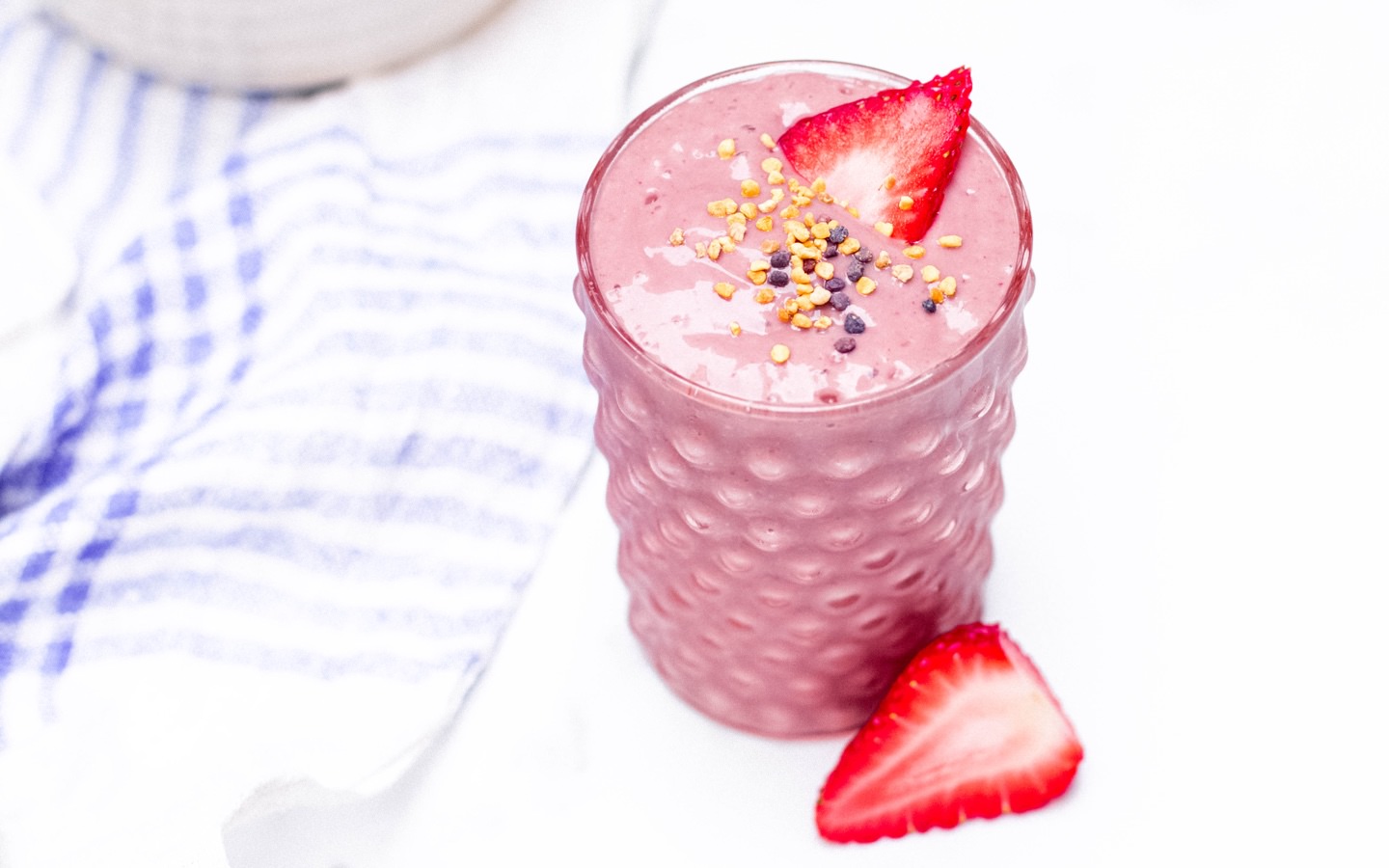
Combine all ingredients + any extra add-ins in a high-speed blender and blend on high until smooth. Pour right into a glass and top with any mixture of crunchy goodness. Enjoy!


