

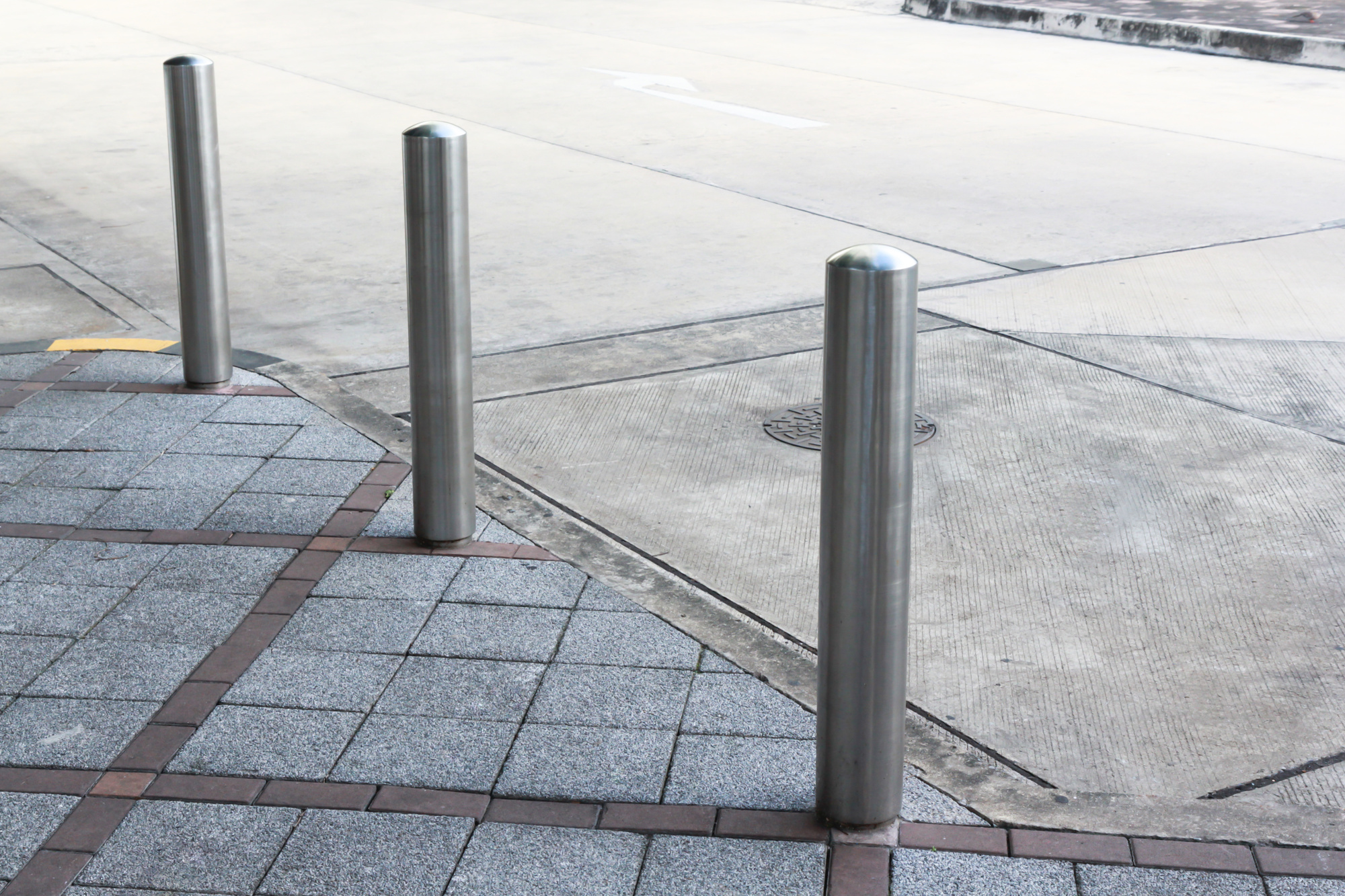
What Is a Bollard and Are They Eco-Friendly?
You might ask the question, “what is a bollard?” You might, that is, if you’ve even heard about a bollard in the first place. Lots of people haven't, especially those who aren’t British, since the UK uses it probably the most.
You’ve probably seen bollards, though-lots of them! Bollards are short, sturdy vertical posts by having an extensive range of applications. You frequently see them in parking lots, in front of buildings, near shipyards, as well as in many other places.
In fact, bollards are extremely commonplace that you might not really notice them. They are doing have essential functions, though, and that's what we’ll discuss here.
What Is really a Bollard?
Other than as being a short, sturdy post, you can define “bollard” as something that’s designed to both deflect an automobile that’s unmanageable and function a subtle caution to not let an automobile get out of control or go where it doesn’t belong.
Bollards are available in many shapes, designs, and materials that let them accentuate or stand out from their surroundings. It’s simple to define bollards as being meant to mark boundaries, but without human assistance (e.g., guards), they can’t prevent entry.
At least they can’t block entry by people or animals, who can walk right past or with the bollards. They do have security functions, however, within their ability to stop vehicle traffic literally.
How Did Bollards Come About?
The term bollard emerged in the mid-1800s, as a reputation for the small structures on wharves to moor seagoing vessels. The idea of a bollard actually dates back much farther, to ancient times.
Between then and now, old cannons started to serve bollard-type functions, and in all likelihood other heavy objects adopted this purpose. Today, some heavy benches double as bollards, keeping cars from parking on walkways.
Bollards Today
Along with lending a little style to buildings and public spaces, bollards will also be manufactured for logical reasons, including traffic control and barricades.
Companies like Innoplast Inc., manufacture bollards and related items, such as temporary traffic signs. The majority are made of steel and also have plastic coverings. They are either straight, vertical columns or are u-shaped.
Some steel bollards have padded coverings, probably to reduce any harm to the cars running into them!
Eco-Friendly Bollards
Why wouldn’t bollards be eco-friendly? In the end, some are plastic, and much more, steel. There are so many eco-friendly bollards that perhaps a new bollard meaning could be “eco-bollard.”
The next time you recycle a plastic bottle, think of the role it might play in preserving the environment by being a bollard!
A Bollard for the Future
What is really a bollard for the future, exactly? It seems as though bollards have a place in society for several years to come. Not just is there more traffic needing management on a global scale, but there's also, sadly, individuals who deliberately use cars as weapons.
We can feel optimistic about future bollards for other reasons, too. A lot of today’s bollards happen to be deployed as artwork. They brighten landscapes and cause individuals to stop briefly and ponder this is of each. Let’s hope we have seen greater number of these!
Who might have considered bollards to be so widespread, as well as eco-friendly? Continue reading our blog, though, and you might uncover more eco-friendly surprises!


