


The Low-Down on Sugar Substitutions

Did you realize the typical American consumes 152 pounds of sugar in one year? Staggering, is it not? That's up from the meager two pounds Americans ate 200 years back (source: DHHS).
These days it appears sugar really is in everything – from the places you've arrived at expect it, such as the candy aisle, to the products where you'd least suspect it's lurking (hot sauce? Savory sausage? Salsa?!), sugar has become that sneaky ingredient we attempt to prevent but always seem to cross paths with. But who can blame us? With over 60 different names for additional sugar – think dextrose, HFCS, glucose solids, etc. – sugar is simple to miss, even when it's hiding in plain sight.
But why are so many people saying “NO” towards the sweet stuff? Aside from added sugars adding to higher rates of disease, like diabetes, and obesity, added sugar happens to be being studied because of its possible negative effects on both mental health and gut health. Considering most nutritionists think about the gut to be the “second brain”, that's not so good news for our collective wellbeing. Common white sugar, high fructose corn syrup, as well as their ilk are even considered addictive substances.
That's a whole lot of good reasons to wish to avoid sugar – but how about those times when you are making something sweet or perhaps a recipe calls for a little bit of sugar? Instead of choosing a processed sugar that will spike your glycemic index, why not opt for an alternate sweetener? Maybe even one with added benefits?
Below we're wearing down five alternative sweeteners to help you choose the one that's right for you.
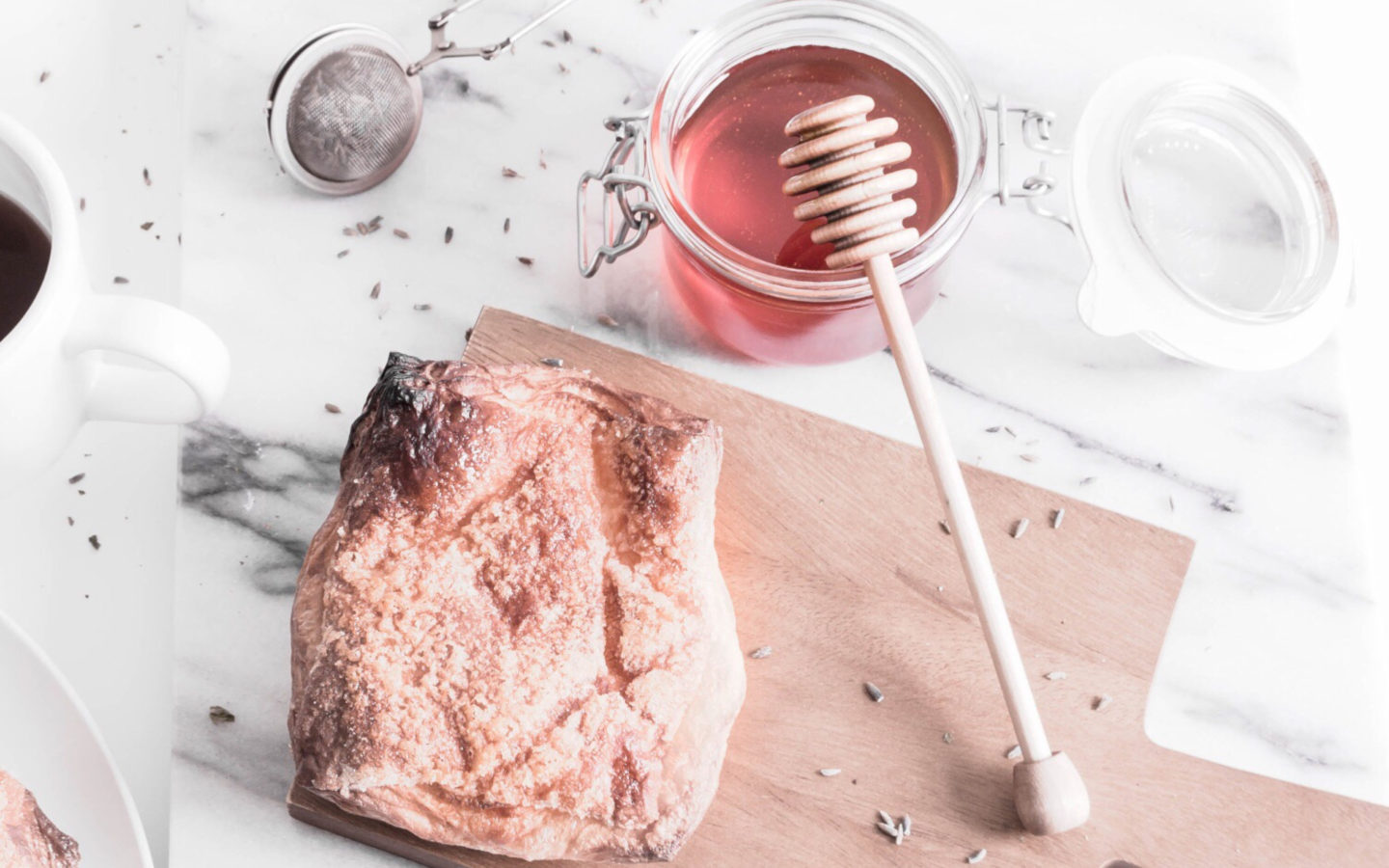
#1 – Honey
Perhaps the most popular alternative sweetener, organic honey is often as nuanced as wine varietals – it all depends on where it's from. Honey sourced from one region will taste diverse from honey sourced from another, and some even say consuming honey from your region could even support allergy relief. Replacing sugar for honey may add additional nutrients for your diet, give a lower-glycemic index sweet taste, and simply incorporates into liquids without the distinct 'maple' flavor of maple syrup. Like several sweeteners, it's important to look for organic, USA-sourced honey, preferably from local, ethically-minded beekeepers.

#2 – Coconut Sugar
Coconut sugar looks nearly the same as brown sugar, but behave like common white sugar in recipes. Brown and granular, coconut sugar is made from the sap of coconut palms, has a deep, caramel-like flavor, and it is versatile in recipes. Slightly lower on the index list than white sugar, coconut sugar also boasts beneficial compounds, like inulin, a dietary fiber that supports a healthy gut. How can you use coconut sugar? Swap it in anywhere you'd use regular white sugar, in baking or cooking. A little coconut sugar mixed with some maple syrup or honey can also behave as a replacement for brown sugar.
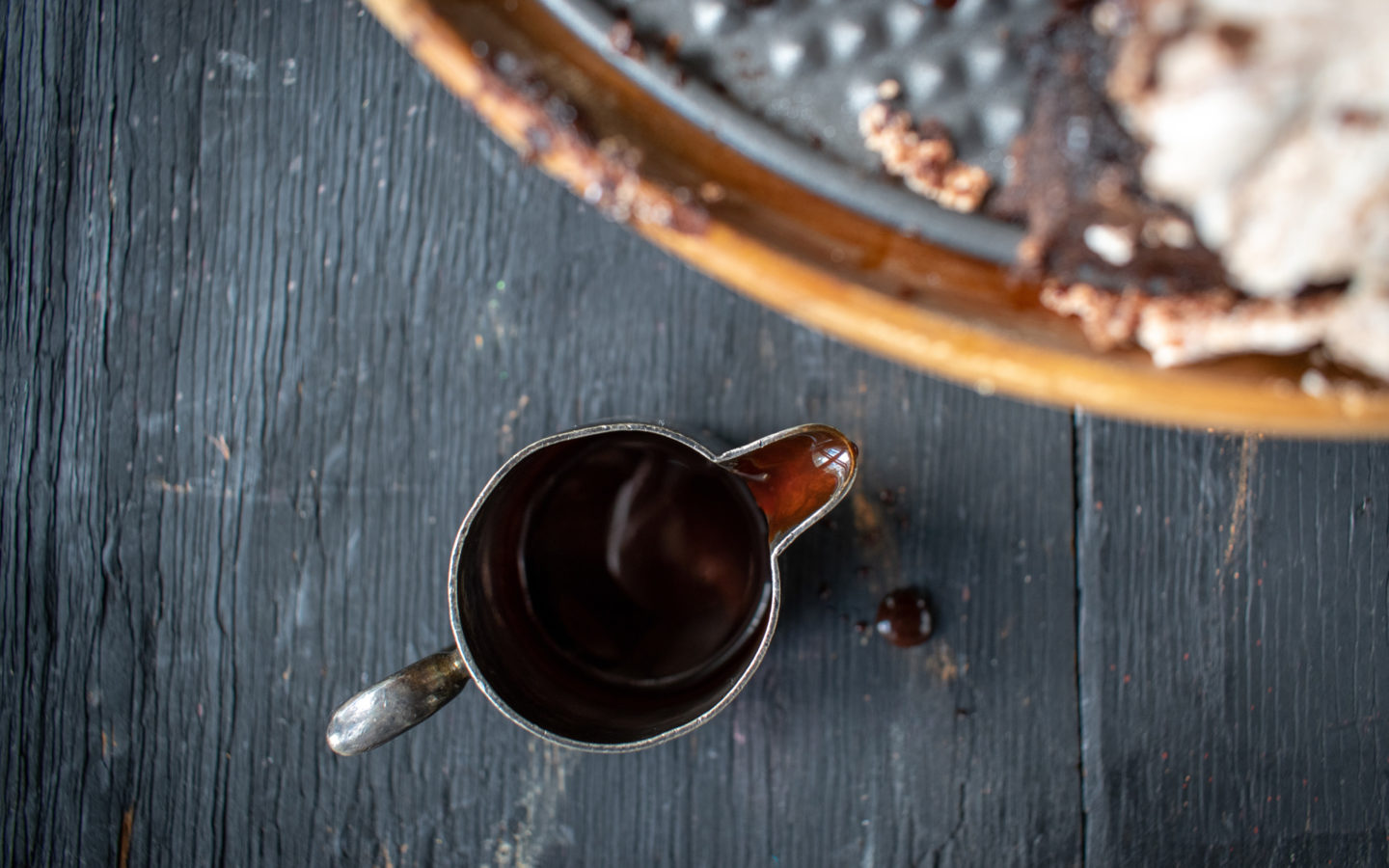
#3 – Maple Syrup
Another nutrient-dense, lower-glycemic sugar alternative, maple syrup comes from maple trees and is boiled down to produce a sticky, honey-like liquid that contains manganese, zinc and riboflavin. Although excellent on pancakes, maple syrup is far more versatile than we give it credit for – swap it in anytime you need a liquid sweetener or check it out sticking to your lips for a lightly sweet treat. Maple syrup is available in grades, Grade A is lighter colored and more pure, while grade B is darker having a deeper flavor. Either grade can be used in cooking, but Grade B will offer you a far more nuanced profile.
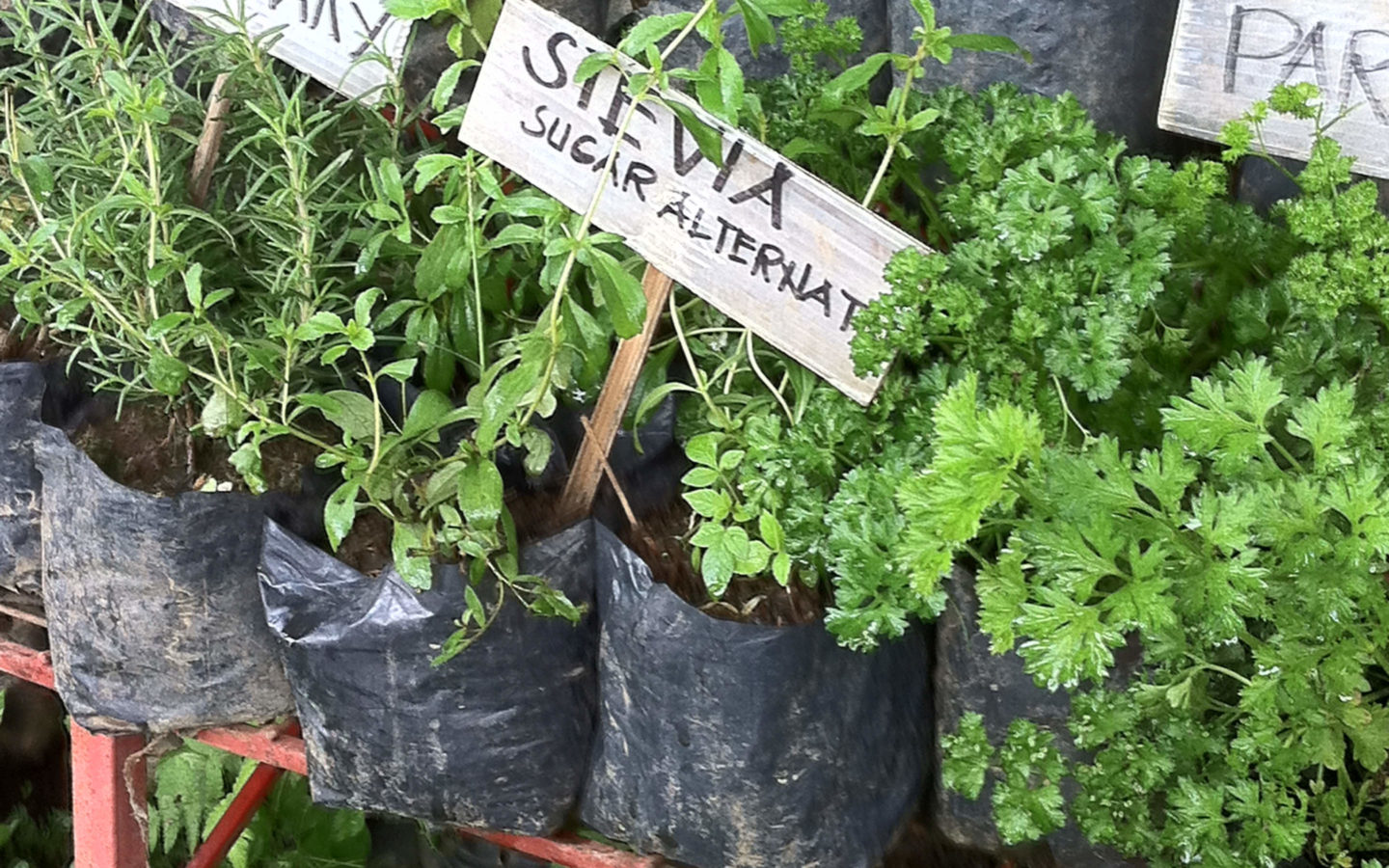
#4 – Organic Stevia
Stevia sweetener is sourced from the stevia plant, which grows in Brazil and Paraguay. 200 times sweeter than sugar in the same concentration, stevia is calorie-free, and low-glycemic, making it a favorite the type of who try to avoid most sugars altogether. Obtainable in liquid and powdered/granulated forms, you need to always choose an organic stevia choice to ensure you will find zero fillers (look into the ingredients on some stevia packets and you may notice dextrose being an ingredient).
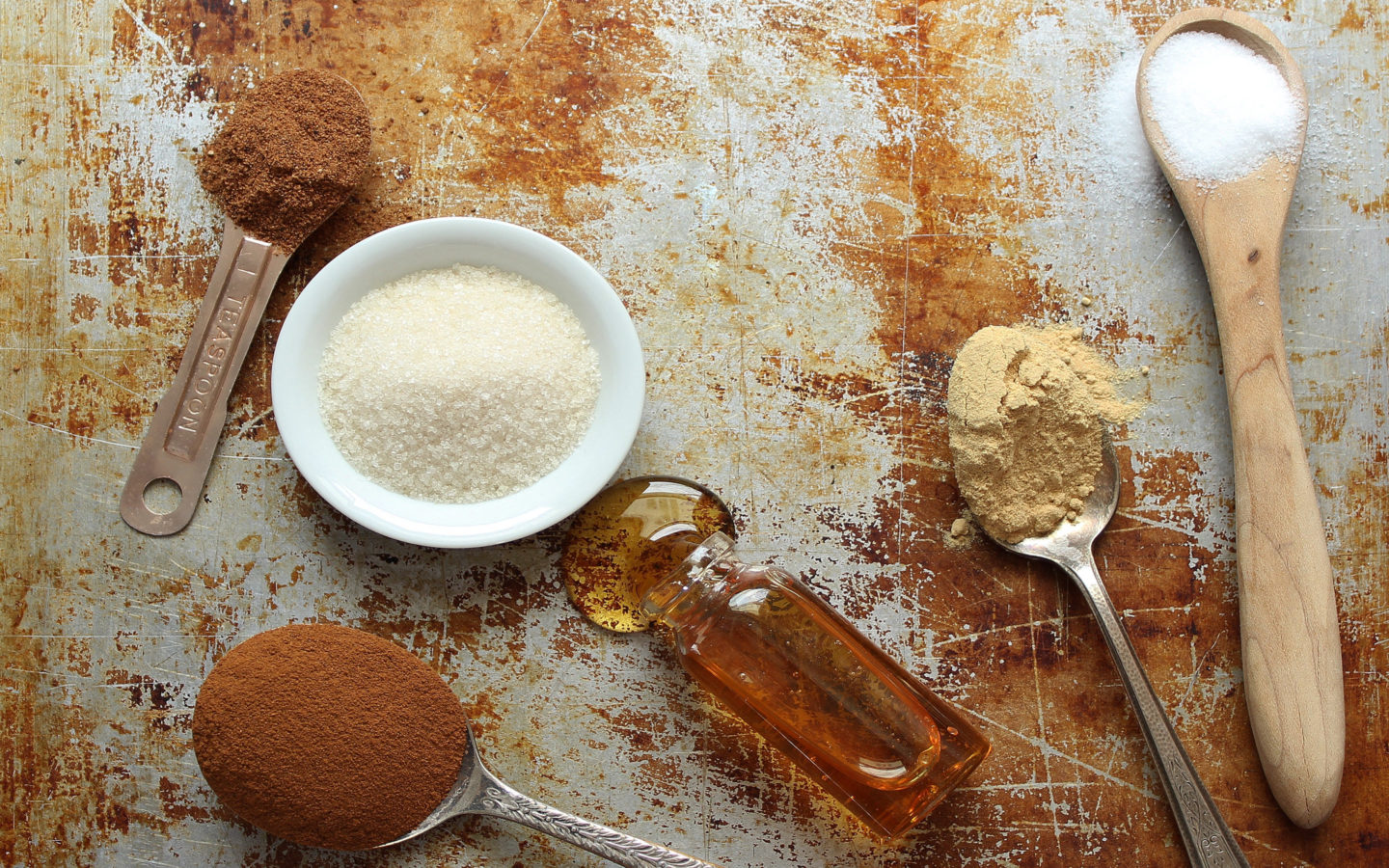
#5 – Monk Fruit
Another zero-calorie, low-glycemic sugar alternative, monk fruit is typically granulated making from luo han guo, a gourd-like plant indigenous to parts of China and Thailand. About 150-200 times sweeter than sugar, most monk fruit sweeteners can replace sugar inside a recipe inside a 1:1 ratio. Much like stevia and many other sweeteners, always purchase organic or even the purest type of monk fruit sweetener available and appearance ingredients, as many options on shelves are diluted with other sugars that can influence the nutritional profile.


