The Lowdown on Fermented Food

Would you eat sauerkraut whether it meant a happier belly? What about fermented tea for clearer skin or spicy hot kimchi for immune support? Though these food types may be far outside the comfort zones of numerous people who stick to a standard American diet (literally abbreviated to S.A.D.), there's growing research that implies ferments like sauerkraut, kombucha and kimchi deserve a location at everyone's table.
If you have ever tried sauerkraut and wrinkled onto your nose in the smell or briny flavor, you're not alone. The flavor of fermented foods is often what turns people from them. Why? For anyone eating a sweet-heavy diet, your palate might not be accustomed to the unique, often acidic or bitter flavors of fermented foods. But there's a good reason to conquer the fear of fermented cabbage and begin eating these unique foods. To begin with, getting accustomed to the unique tastes of fermented foods can actually help curb cravings. How? Research has revealed that our microbiome can actually influence the way we eat-including making us crave sweets and junk food when it is from whack. But when you eat fermented foods as part of a gut-health focused balanced diet, you might be able to cut the out-of-control sugar cravings so many of us are utilized to.

But the advantages of fermented foods don't stop at halting sugar cravings. Works out, our gut-or microbiome-controls a lot more than we initially thought. The healthy bacteria in ferments might even help clear up the skin. Have you ever suffered from acne or skin irritation of any sort, you are aware how frustrating it can be to find the source-turns out, the origin might have been within our guts all along. By adding plenty of fermented foods, that have an array of bacteria, you might see your skin clear up as the gut heals and begins working properly. These same fermented foods can also support a healthy defense mechanisms within the same way-that's right, a little cabbage and salt can do exactly the same thing as those expensive over-the-counter probiotics.
So, you're sold on the concept of fermented foods- but what exactly are they? Why would anyone eat fermented cabbage or drink old tea? Works out, these food types go back 1000's of years and span a variety of cultures. Kombucha hails from Manchuria-although its actual country of origin expires for debate-and sauerkraut and other preserved foods were well-liked by Countries in europe before the advent of refrigeration as nourishment throughout the cold winter months. While we're lucky to possess quick access to fruits and vegetables nowadays, fermented foods have earned their put on the table for their laundry list of benefits. If you're a new comer to fermented foods, try adding an amount or two each day for optimum benefits, here are five in our favorite fermented foods.
Our 5 best Fermented Foods:
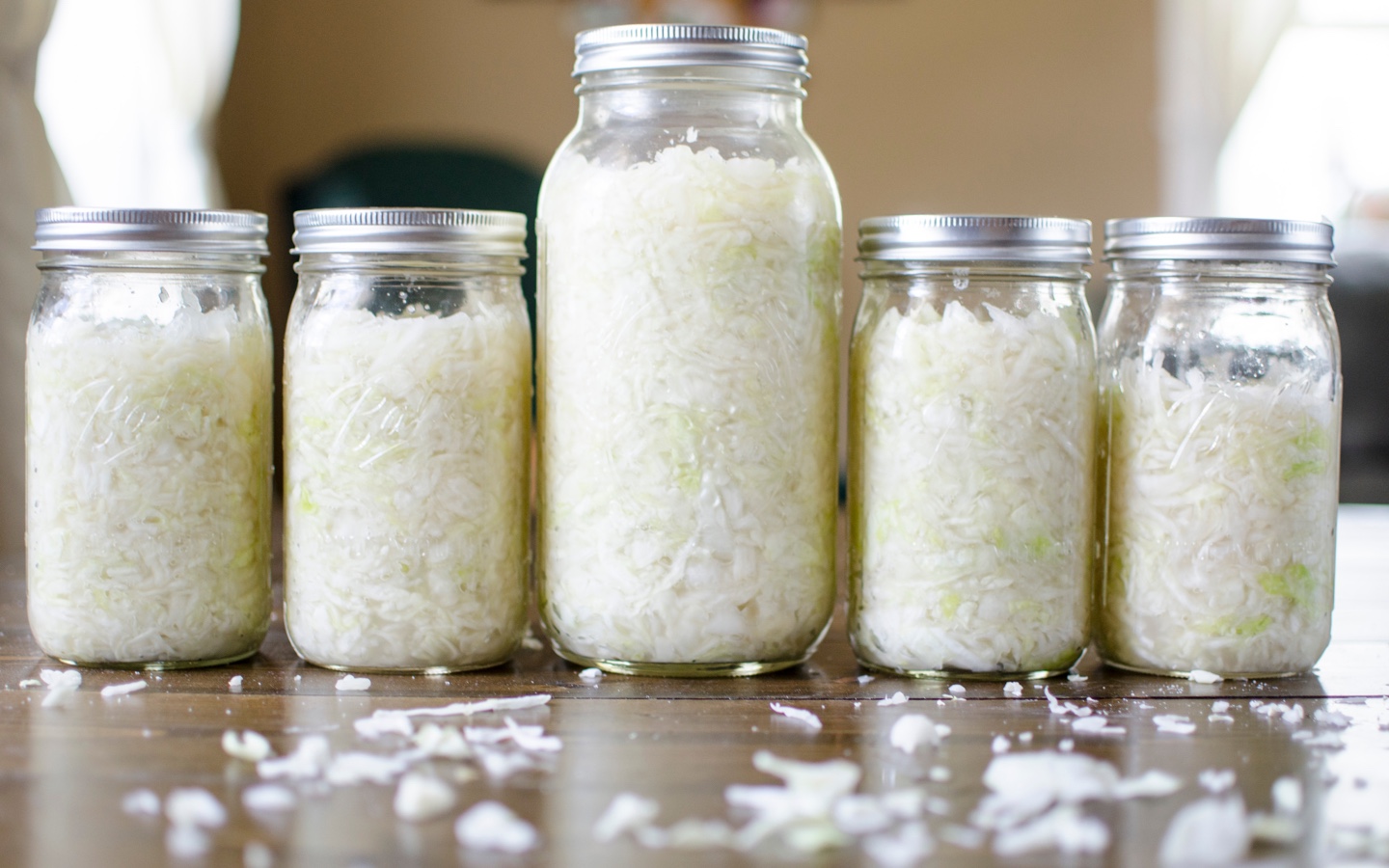
#1 – Sauerkraut
We're not talking about the type of sauerkraut sitting atop your summer ballpark hot dog-nope! There is a major difference between that sauerkraut, often present in shelf-stable cans or jars around the inside aisles of the supermarket, and the gut-loving sauerkraut famed because of its probiotic-rich nutrients, typically sold refrigerated or made by you within the convenience of your home: shelf-stable sauerkraut has usually been pasteurized and stabilized, killing off any good-for-you bacteria. Sauerkraut is fermented cabbage, sometimes mixed with other vegetables. Tart, acidic, and crunchy, sauerkraut constitutes a welcome addition to sandwiches, salads, as well as omelettes. Once you have gained a taste for this, try making your personal with salt, cabbage and any other add-ins, a quick search on the internet will bring up a number of recipes and methods.
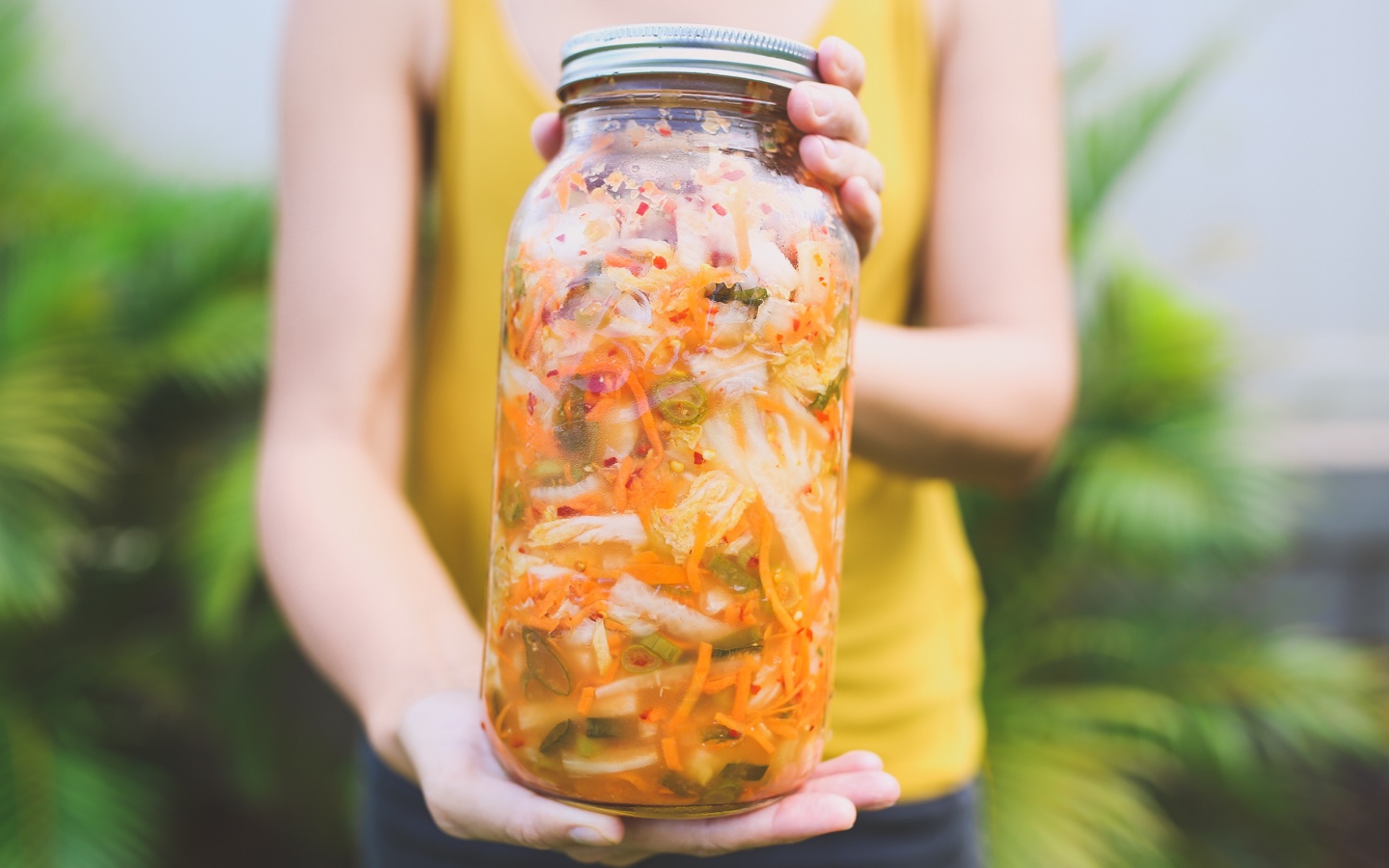
#2 – Kimchi
Sauerkraut's Korean counterpart, this spicy dish can also be created using cabbage, usually Napa, and also the inclusion of other ingredients, like ginger, garlic, scallions and gochugaru, a coarsely-ground red pepper. Available in a variety of spiciness, kimchi reaches once an amazing side dish and the condiment you did not know you needed-until now. Check it out with rice dishes, traditional Korean fare-or right out of the jar.
#3 – Kefir
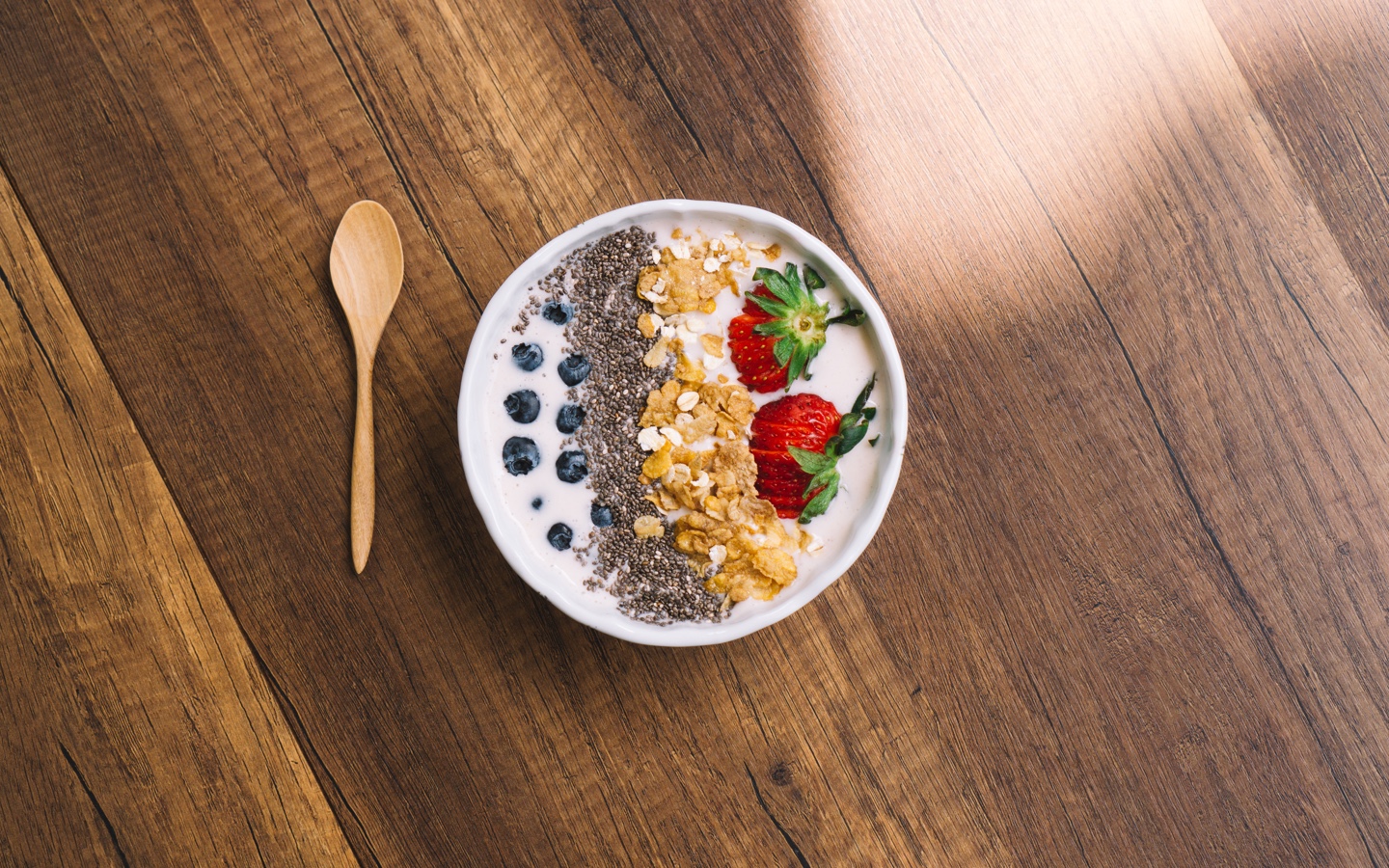
What sauerkraut is to kimchi, kefir is to yogurt. A detailed cousin to yogurt, kefir-if bought in the store-usually comes in a jug or carton instead of a tub. More liquid than yogurt, kefir is easily drinkable and makes a welcome addition to smoothies and chia puddings. Kefir and yogurt both have the added benefit of protein, making them easy to incorporate like a base for a meal. Try kefir topped with chopped fruit, or swirl it into your smoothie after blending. For a summery dessert, add pureed fruit to kefir and freeze to make a better-for-you icey treat.
#4 – Yogurt
Likely the most widely-available and widely-popular fermented food, yogurt is protein-rich and full of probiotics, that also help to break up the lactose in milk, making yogurt often better tolerated by those with lactose intolerance. Highly versatile yogurt can be created sweet or savory, however mixed yogurts which contain sugar should be avoided for maximum benefit. Instead, purchase plain yogurt and add your own mix-ins.
#5 -Kombucha
Kombucha has exploded in popularity recently, and for good reason: this fermented, fizzy tea is as delicious as it is-usually-good for you. Produced by fermenting black or green tea with sugar (the bacteria feeds off the sugar), quality kombucha typically has a little bit of sediment at the bottom of the bottle-this is a good thing! Area of the “mother”, or colony of bacteria or yeast, these strands show the specific kombucha you're enjoying is unfiltered, using the maximum quantity of probiotics and healthy yeasts.