


Easy Methods to Eat Less Meat
We've all heard an earful recently from the benefits of a plant-based diet. From supporting better health to supporting a more sustainable ecosystem, reducing meat, whether going full-time vegan or vegetarian, or choosing a more “flexitarian” lifestyle that focuses more on plants and less on protein, can possess a insightful benefits.
2022 was even declared the International Year of Pulses – otherwise known as beans, seeds and legumes -as a way to heighten “public understanding of the nutritional advantages of pulses as part of sustainable food production directed at food security and nutrition”. But a push towards pulses was just one part of a larger effort to advertise a far more plant-based lifestyle. As news involves light from the benefits of a plant-based diet for the environment and our overall health, the most hardcore omnivores happen to be shifting towards eating more plants.
If you already eat your broccoli, you might be thinking, what makes going plant-based so excellent for the earth? And just what does “plant-based” mean, anyway? While everyone may have their own unique ideas of what “plant-based” really means, generally a “plant-based diet” means a diet consisting mostly of-or entirely of-well, plants. Picture your typical dinner plate and what's on it- a standard American diet might have a big steak, a scoop of mashed potatoes, and maybe some chopped veggies (hopefully fresh). Typical Monday night fare, right? Now make that plate plant-based: remove the steak, and give a big serving of green salad with a rainbow of veggies along with a scoop of spiced, protein-rich chickpeas having a hunk of crusty bread on the side. Maybe a drizzle of essential olive oil and a sprinkle of Maldon salt (if you want other great ideas, here are 31 chickpea recipes). Which meal would you imagine is better for that earth and for you? Increasingly, science is pointing for the plant-based meal:
To put it simply: it requires less land, water and to develop plants of computer does to raise animals for protein. Therefore, consuming more plants and less meat includes a less stressful effect on the environment.
But environmental surroundings isn't the only thing that benefits when we consume less food meat. It should not come as much of a surprise, but shifting from the Standard American Diet (hilariously S.A.D. for short) towards a more plant-based lifestyle has a number of benefits for our health, too. A well-balanced diet composed of mostly plants has been shown to support cardiovascular health, potentially decrease the risk and cases of diabetes, and support mental health-to mention a few of the numerous benefits. The Mediterranean diet is an ideal example of a plant-based (but nonetheless flexible) diet that's been shown to have many benefits:
Cutting back on animal protein and focusing more on plants could have a domino effect on wellbeing and quality of life. Learning to prepare satisfying meals consisting of mostly plants takes practice, but ultimately could lead to consuming less pre-packaged and processed food, which could lead to better-supported health.
But going plant-based does not have to suggest going full-time vegan or veg (unless, of course, you want it to). Simply reducing the amount of protein you consume and concentrating on the quality and quality-of-life from the meat you do consume can still create a world of difference. All set to go plant-based? Listed here are four easy ways to consume less food meat right now:
#1 – Practice “Meatless Mondays”

We've all likely heard the term “Meatless Mondays”, but did you know the concept was originally introduced during WWI to lessen consumption? Reintroduced in 2003 as a public health initiative, Meatless Mondays simply asks that people make our meals on Mondays vegetarian. Why? Combined with the overall health benefits, skipping even just one serving of meat one day a week for a year could save the same emissions of driving 348 miles in a car. Imagine if EVERYONE did that one very simple thing-the environmental impact could be huge.
#2 – Try new proteins

Chickpeas, lentils, nuts, seeds- there is a an entire world of alternative protein sources available, you just have to give them a chance. Try replacing a pet protein once a day with a plant-based option (swap your chicken for chickpeas, your morning eggs for oatmeal topped with nuts and swirled with nut butter, or perhaps your evening steak with a hearty lentil stew). Don't know how you can prepare plant proteins? All the better! Experimenting with plant-based proteins could even open up a completely ” new world ” of cooking for you-check out some vegetarian cookbooks from the library and cook your way through them.
#3 – Make simple swaps
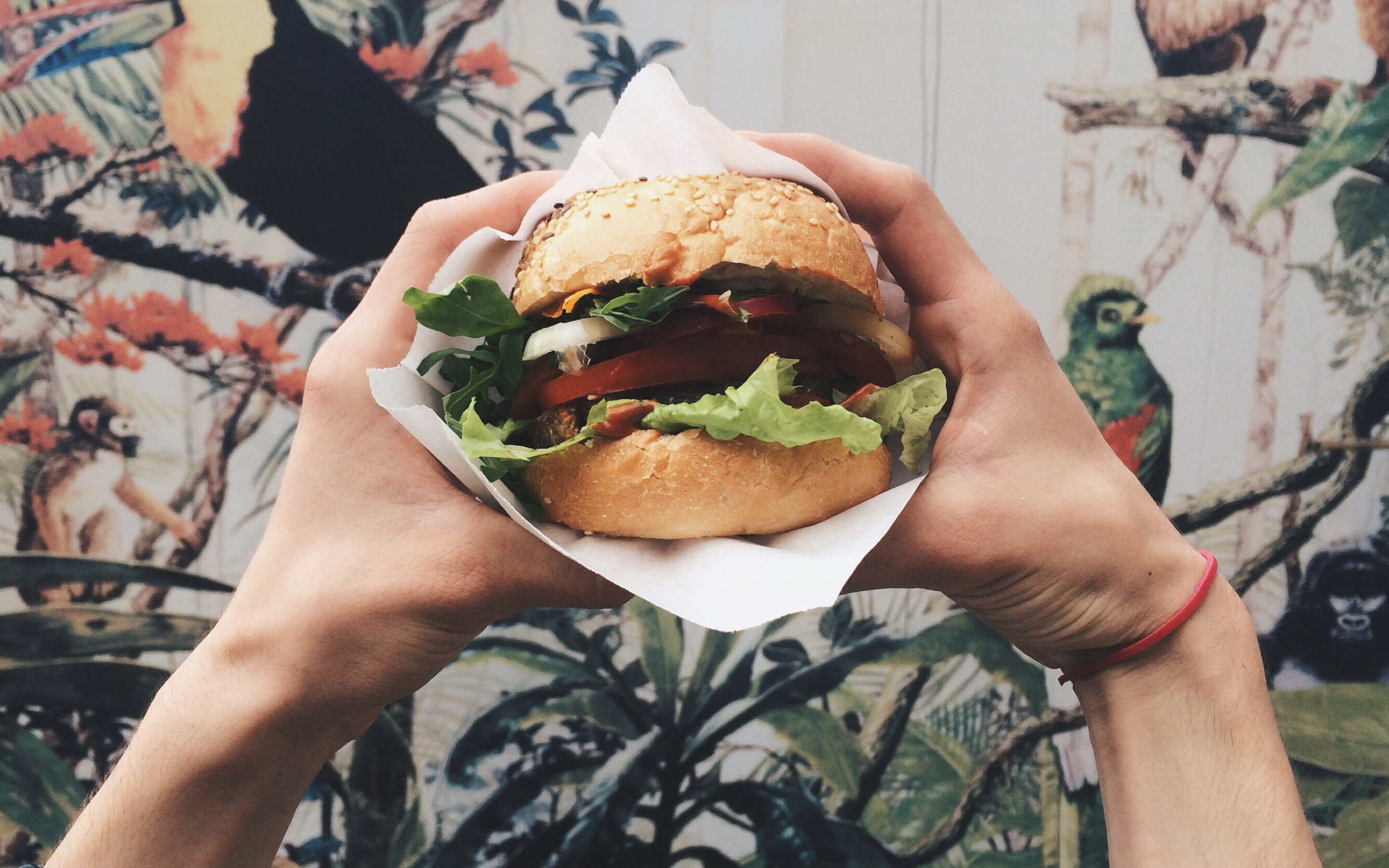
Protein shake after the gym? Try swapping your pure whey protein for a vegan option. Love fajitas for supper? Swap the steak for meaty portobello mushroom strips and black beans. Do you eat a yogurt parfait for breakfast every day? Test out plant-based yogurt options or try overnight oats or chia pudding instead (you can add a number of that vegan protein powder for additional oomph). Making these simple swaps for foods which are similar feels easy while still satisfying a longing for a popular food.
#4 – Concentrate on less-and better-meat
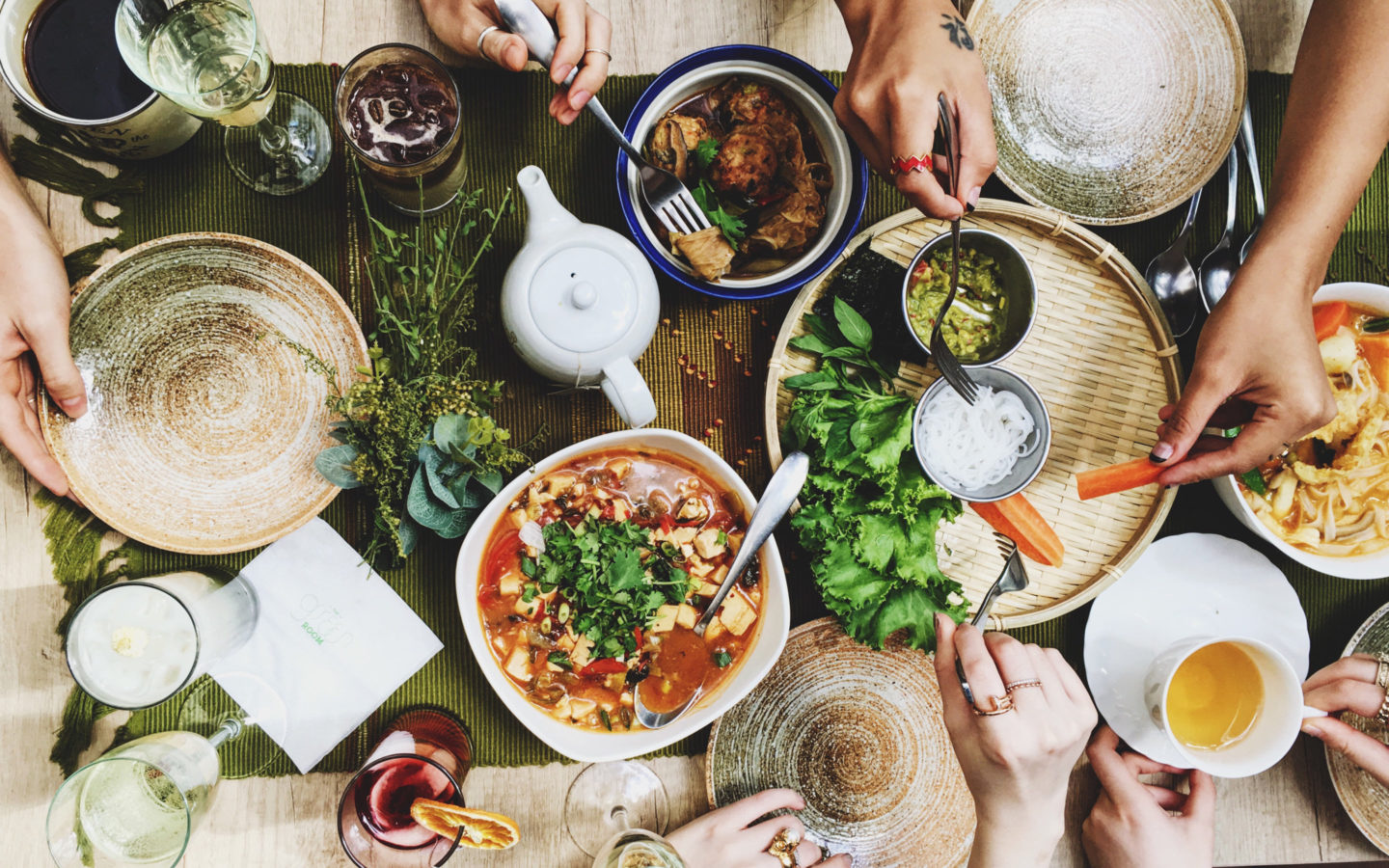
If you need to do decide to eat meat, help make your meals veggie-forward by focusing on plants first. Pile your plate with as numerous colors and textures as you can-think roasted root veggies topping a salad with some sauteed greens, or perhaps a big serving of steamed vegetables and cauliflower rice or brown rice taking up much of your plate, then add a small serving of responsibly-raised local meat if you think it. By concentrating on local, better-quality and responsibly-raised meat, you'll be supporting small farmers who work hard to provide animals a better standard of living (which produces meat that's better for you) instead of factory farms, which deplete the land and have been shown to possess atrocious conditions. By concentrating on small and better- farms, servings, etc.-you'll likely find yourself consuming fewer animal products.


