


How to Reduce Your Ecological Footprint at Home
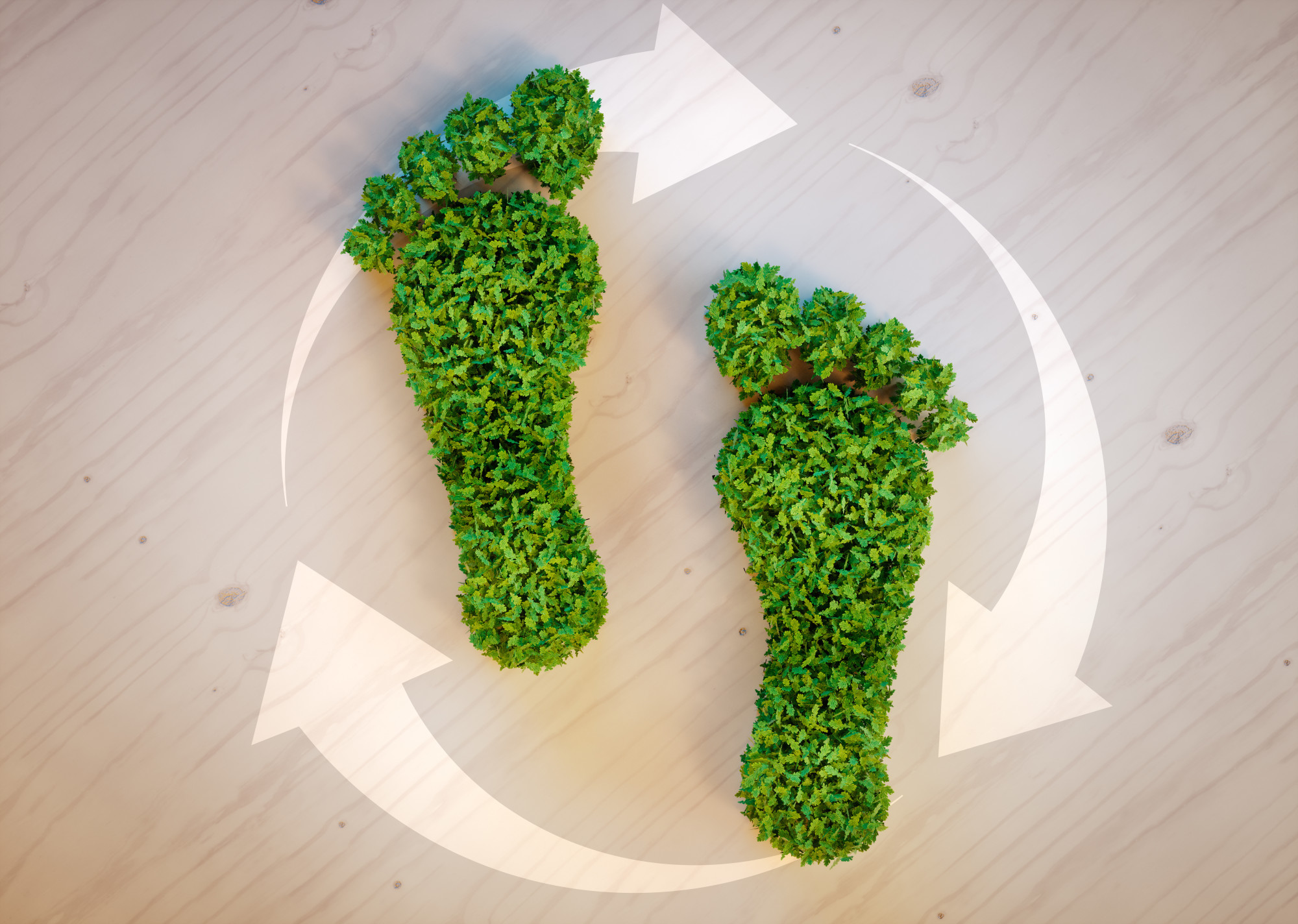
96% of consumers believe they are able to really make a difference with sustainable and eco-friendly choices. There’s just one problem – living an eco-friendly lifestyle isn’t easy.
It all starts in your own home. When you waste energy, you’re adding to your carbon footprint. This is also true every time you purchase and toss expendable products.
Thankfully, there are some simple ways to become more eco-friendly. And they’re not only better for that planet. Your wallet will thank you, too.
Want to understand how to reduce your ecological footprint at home? Read on to start living a far more eco-friendly lifestyle.
Say Goodbye towards the Dryer
If you utilize your dryer 200 times annually, it’s accountable for nearly half a lot of carbon emissions. In fact, a dryer is one of the least efficient appliances you own. Drying your clothes on the lines are an easy way to dramatically lower your carbon footprint.
It’s not too much work. If you’re an apartment dweller, set up a clothing line in your balcony. Throughout the summer, your clothes will dry within a day’s time.
But how about drying in winter? For those who have an open space with good ventilation, you are able to dry clothes inside your home. Otherwise, utilizing a dryer in the winter months continues to be much better than one year-round.
Request an expert Energy Audit
Reduce your carbon footprint by increasing your home’s energy efficiency. A professional energy audit will determine if there’s something wrong together with your walls or windows. You may be losing money through faulty insulation without realizing it.
In general, you can expect to pay $100 to $200 for an energy audit. It'll likely pay for itself when you help with your home’s energy efficiency.
You won’t have to run the heat or air as often, which means you’ll save each month. And by using less electricity, you’ll rest easy knowing you’ve reduced your carbon footprint.
How to take down Ecological Footprint With a Home Renovation
Did the power audit reveal difficulties with your home’s windows? Maybe it’s time for a renovation. There are many eco-friendly options to make while updating your home.
For example, you could replace your old drafty windows with energy-efficient ones. These are usually a little more costly but provide superior insulation.
Plan on replacing wood in your home? Bamboo matures a lot sooner and is more sustainable than traditional lumber.
Aways search for recycled options. From carpet to countertops, many home materials now originate from recycled goods. Learn more about eco-friendly ways to renovate your house.
Unplug Devices Not in Use
You may think devices aren’t consuming power keep. That’s not the case. Even when electronics are powered down, they are still drawing a steady flow of electricity.
Some of those devices will consume up to 25% of their normal power requirement. Not only can this increase your carbon footprint, but it can lead to high energy bills.
You have two options. The easiest would be to depend on power strips. When you aren’t using the devices plugged into a strip, flick it off.
But if you don’t desire to use power strips, that’s okay. You’ll want to manually remove every cord once you’re done utilizing a device. It may seem like a hassle, but it’s simple to do once you get started.
Create a Home Garden
Plant a home garden with easy vegetables for example tomatoes and cucumbers. Even though you live in an apartment, you can grow a variety of spices inside your kitchen or around the balcony.
Not only is really a home garden delicious, however it makes you less dependent on supermarkets. This means fewer visits to the supermarket.
Plus, being eco-friendly is more than your carbon footprint. A home garden can produce a sanctuary that supports local butterflies, bees, and insects.
Avoid pesticides and do your very best in order to save rainwater for watering your garden.
Try Recycling and Composting
A recycling program is likely available in town. Lots of people find recycling complicated and be put off by it. But it’s as simple as locating the number on a plastic container and throwing it within the appropriate can.
You’ll remove the trash fewer times per week once you begin recycling. The average person discards an astounding quantity of recyclable materials. Combined with composting, you’ll produce hardly any trash at all.
Avoid Expendable Products
The last tip is among the hardest. A lot of companies create items that are meant to be disposed of. Stop filling your house together.
Do you really need sponges when you can use a washcloth? And should you purchase bottled water when you can place a filter on the tap? Every time you throw something away, consider if there’s a more sensible choice.
It’ll take a moment, but soon you’ll know which items to purchase and which to prevent. The best part about sticking to reusable products? They’ll help you save money over time.
Contribute to a Greener Future
It’s time to end up part of the global solution. Now that you know how to reduce your ecological footprint, you’re in a stronger position to live a far more sustainable lifestyle. Unfortunately, the savviest people still have carbon footprints.
But that doesn’t mean you should throw in the towel. Become a good example in your neighborhood and inspire others to create responsible choices. Not only is it a great way to save on your electric bill each month, but it’s a good way to save the planet.
Are you all set to go green? Take a look at our website for additional methods to be eco-friendly in your own home.


