

Why & How you can Cook with Avocado Oil
Think back many years, what were the oils you relied on to cook with? Canola oil? Vegetable oil? Maybe – if you were really in front of your time – even extra virgin olive oil?
In the past few years the cooking oil aisle has ballooned from the few humble options to, well, a whole aisle – a veritable maze of choices. Small tins of organic cold-pressed walnut oil and macadamia nut oil sit alongside gigantic tubs of canola and peanut oils, while glass bottles of olive oils and seed oils sit pretty nearby. The trick, of course, is knowing what to choose, but as news and research have come to light on the dangers and health concerns from the “classic” cooking oils – namely vegetable and canola – it's difficult to understand which option is right and the search for alternatives only results in more confusion. Olive oil is definitely the standby for health-conscious chefs, but as our understanding of oil safety is continuing to grow, so too have our options.
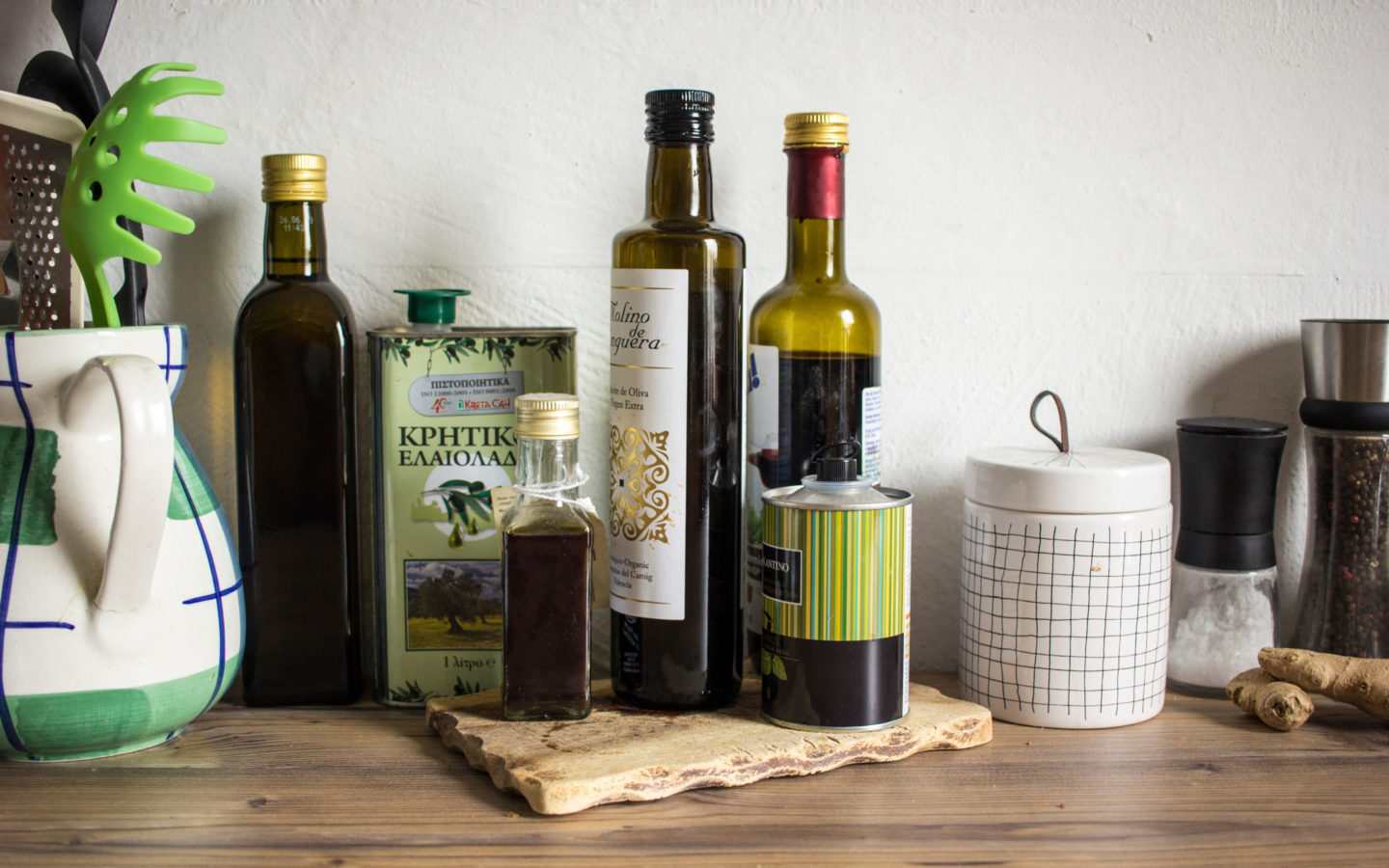
As alternative oils rose in popularity for their purported benefits and healthfulness, another concern lit up our consciousness: cooking temp. Turns out, not every oils are the same: While your preferred unfiltered EVOO may taste amazing drizzled over finished dishes, it's unsafe to heat at high temperatures, making essential olive oil off-limits for high-heat cooking – it begins to smoke when heated over 320 degrees Fahrenheit. This is called the smoke point, and it's an important factor to bear in mind when choosing an oil to cook with. Although unpleasant, the smoke isn't main concern with regards to heating oils at excessive a temperature. Once the oil begins to smoke, it begins to produce cancer-causing toxins along with other nasty compounds, as well as a burned oil will certainly ruin the taste of the favorite dish. Smoke point constitutes a solid argument for keeping a healthy roster of cooking oils available at all times, you never know when you should saute, bake and drizzle all-in-one day, by keeping a well-stocked pantry of oils, you'll never have to choose from your preferred foods and whether it's worth risking cooking using the wrong oil. One new oil worth stocking on? Avocado oil!
What is avocado oil?
Yes, everyone's favorite toast topping, smoothie add-in, and salad ingredient is also a super versatile oil. Why is avocado oil so good? Everyone knows and love avocados for his or her deep nutritional content – just one serving, about 1/5th of the avocado has around 2 grams of fiber, lutein, antioxidants, and four grams of fat, most of which may be the monounsaturated (heart-healthy) kind – but are you aware avocados had the ability to result in the other foods you eat with them even healthier? Adding healthy fat, like avocado, to salads, smoothies, etc. can help in the absorption of nutrients and avocado specifically may even increase certain compounds, for example carotenoids, which battle disease and support eye health. And avocado oil boasts these same benefits. So what is it? Avocado oil is made from the soft pulp of avocados, which is put into a centrifuge and spun at high speeds to separate body fat in the rest of the pulp. While slightly more expensive than essential olive oil – it'll cost you about $2-3 dollars more – avocado oil is also a little more versatile.

How would you use avocado oil?
What does avocado oil taste like? Well as you may expect – similar to avocados! Avocado oil does boast a hint of that classic, slightly grassy avocado flavor, but it's far lighter than its olive oil counterpart, making avocado oil much more versatile, especially when you think about it is a high smoke point. Where olive oil should only be heated to some maximum temperature close to 320 degrees – too low for most stovetop cooking – avocado oil's smoke point is 520 degrees, which makes it a safe choice for most – but not all – cooking applications (you can't deep fry however, you can bake as much as 449 degrees). Rich, thick, and comparatively neutral, avocado oil lends itself as an easy alternative to vegetable or canola oil in most recipes – or use it in cooking whenever you might otherwise reach for olive oil.
When choosing avocado oil, always look for 100% pure avocado oil (no fillers) and purchase the best you really can afford to make sure maximum nutrients and quality.
Some in our favorite ways to use avocado oil:
1. Swap out your coconut oil. If coconut oil is feeling a little tired or you can't stand the flavour, swap in avocado oil to switch some misconception.
2. Bake by using it. Substitute avocado oil for vegetable oil or canola in baking for a better-for-you alternative.

3. Create a marinade. Because avocado oil is really neutral, it makes the perfect base for your favorite marinade recipe.
4. Add a small spoonful to smoothies. No ripe avocados available? Give a teaspoon of avocado oil to your smoothies to aid in nutrient absorption.
5. Make your own mayo! Homemade mayo is simple but typically requires canola oil. Swap it out for avocado oil like a healthier option.
6. Step up your hummus or pesto game. Most commercial hummus and pesto is made from canola or vegetable oils – allow it to be aware of avocado oil instead.
7. Similarly, utilize it to create your personal salad dressing. One quick read of the ingredients list of conventional dressing will have you making your personal with avocado oil before you know it.
8. Drizzle avocado oil over pizza or flatbread like a finishing oil.
9. Make better-for-you popcorn by tossing it in avocado oil and sprinkling with Maldon salt and herbs.
10. Prepare breakfast. Help make your omelet or scrambled eggs with avocado oil for an energizing accessory for your morning routine.


