


7 Essential Antioxidant-Rich Foods

Antioxidants are linked to better long-term health. Add these nutritious (and delicious!) antioxidant-rich foods to your diet for a healthier body and mind.
Antioxidants get a lot of buzz – and even for good reason. They protect us against free radicals, or unstable molecules, that can damage the cells within your body. As we age, our capability to protect against and detox toxins declines, which can lead to the introduction of certain chronic illnesses, including cancer, as well as a state known as oxidative stress, which is linked to inflammation and disease. And factors like obesity, an eating plan full of sugar, fat, and processed foods, cigarettes, and drinking may also greatly increase your risk of oxidative stress.
So how will you make sure you're getting enough antioxidants every day? Your diet plan plays a significant role, says Jessica Titchenal, a licensed nutritionist. “The easiest, cheapest and delicious method of getting antioxidants would be to increase your intake of really colorful vegetables and fruit,” she says.
To do this, Titchenal suggests focusing on eating a number of whole-foods, with an focus on options which are darker in color. Anything dark purple, green, or blue – like berries, kale, and spinach – are typically high in antioxidants.
For picky eaters, Titchenal recommends starting slow. Pick one fruit and one vegetable and test out techniques used in preparing them. For example, if noshing on raw spinach isn't your jam, try roasting Brussels sprouts seasoned with spices. Another good way to consume more antioxidants is to slip a serving or a couple of raw greens into a smoothie. “Play around with it. Have fun with it,” says Titchenal.
Everyone should prioritize eating too much antioxidant-rich food, but it is especially important for anybody who includes a chronic illness, past cancer, or resides in a place with high pollution, which could bring about oxidative stress, says Titchenal. Ideally, people should aim to consume at least five to seven areas of antioxidant-rich foods daily, though being consistent is more important than being perfect.
Interested in upping your consumption of antioxidants? Here are seven foods to think about contributing to your meal rotation.
1.
Coffee and tea
Caffeine-lovers rejoice – your morning mug of coffee or tea may benefit more than your time levels. Research has shown that including green tea extract as part of a healthy diet protects against oxidative damage in humans. In fact, it's been shown that both green and black tea cash higher antioxidant activity against certain free radicals than garlic, spinach, or Brussels sprouts. Coffee also contains free radical-fighting antioxidants. Coffee consumption has even been associated with a low chance of developing diabetes, which can be because of its antioxidants. But Titchenal has a caveat: “I'm not talking about your typical macchiato with five shots of syrup.” To reap the benefits, skip the sugar and cream.

Studies reveal that including green tea included in a healthy diet plan protects against oxidative damage in humans. Photo thanks to Twenty20.
2.
Kale
Dark, leafy greens really are a win in Titchenal's book. Kale is among the most antioxidant-rich foods an individual can consume. It also contains vitamins A, K, B6, and C as well as calcium, potassium, copper, and manganese, which makes it an excellent nutritious option. Still, lots of people can't get on board with this particular cruciferous vegetable, which can have a bitter taste and hard texture when eaten raw. If you find kale hard to stomach, Titchenal suggests experimenting with few different types of the vegetable – types include curly kale, dinosaur kale, redbor kale, and Russian kale – and testing several ways of preparation. Pro Tip: massaging kale having a healthy fat like avocado or essential olive oil can soften the feel, which makes it more palatable and easier to digest.
3.
Spinach
Like kale, spinach is a powerhouse vegetable when it comes to vitamins and antioxidants. It will also help your heart and eye health, reduce blood pressure levels, and assist in preventing cancer. Additionally, it packs more fiber, protein, vitamin A, calcium, and iron than kale. Plus, its soft texture and mild taste make it a little simpler to palate than kale. Additionally, it blends seamlessly into smoothies, making adding an amount or two to your daily routine very simple.
4.
Chard
Another leafy green that deserves a a bit more hype – chard. The leaves of swiss chard, in particular, are packed with fiber, sodium, magnesium, flavonoids, vitamin C, and phytochemicals, that are believed to protect cells from damage that may result in cancer. The stems are full of potassium, too. Titchenal says it's wise to alter the vegetables you eat because different veggies pack different antioxidants and vitamins. If you typically take spinach or kale, try obtaining a bundle of chard next time you're at the grocery store.

Kale is considered the most antioxidant-rich foods a person can consume. It also contains vitamins A, K, B6, and C as well as calcium, potassium, copper, and manganese, making it a super nutritious option. Photo thanks to Twenty20.
5.
Spices and herbs
Clove, peppermint, cinnamon, rosemary, oregano, sage – these spices and herbs will do a lot more than flavor your meals. They're packed with antioxidants. A non-clinical study of rosemary showed it might help prevent cancer, and cinnamon is linked with control over cardiovascular disease. They can also counter toxins that result from environmental impacts, like inhaling vehicle exhaust. Plus, they add a boost of flavor and color to any meal.
6.
Cocoa
You probably guessed that leafy greens pack a nutritious punch, but did you know cocoa is similarly beneficial? Just one serving of cocoa and cocoa products contains more antioxidants than most foods. Additionally, it touts essential minerals like magnesium, copper, potassium, and calcium. Chocolates that contains at least 70 percent cocoa provides 36 milligrams of magnesium per 100-calorie serving. That's about nine percent from the U.S. recommended dietary allowance. So proceed, reach for that chocolate bar.
7.
Berries
Another of Titchenal's favorite foods, berries are full of antioxidants. She recommends staying with berries that are dark blue and purple colored, like blueberries and blackberries. They're also a great source of fiber and micronutrients such as folate, calcium, selenium, and alpha and beta carotene. Eat them raw for a sweet treat or mix them with your spinach smoothie.
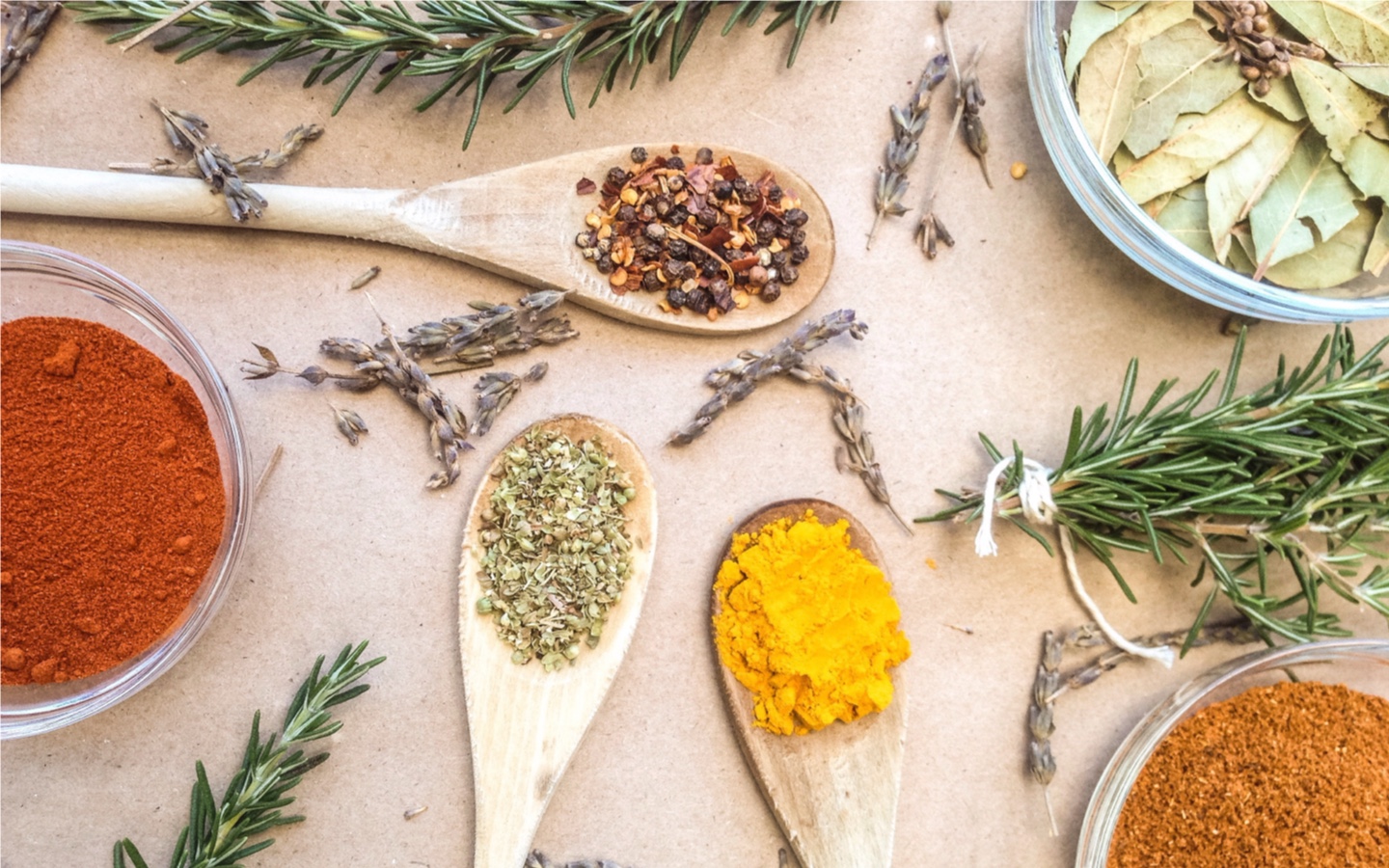
A non-clinical study of rosemary showed it might assist in preventing cancer, and cinnamon is related with control over heart disease. Photo thanks to Twenty20.


