
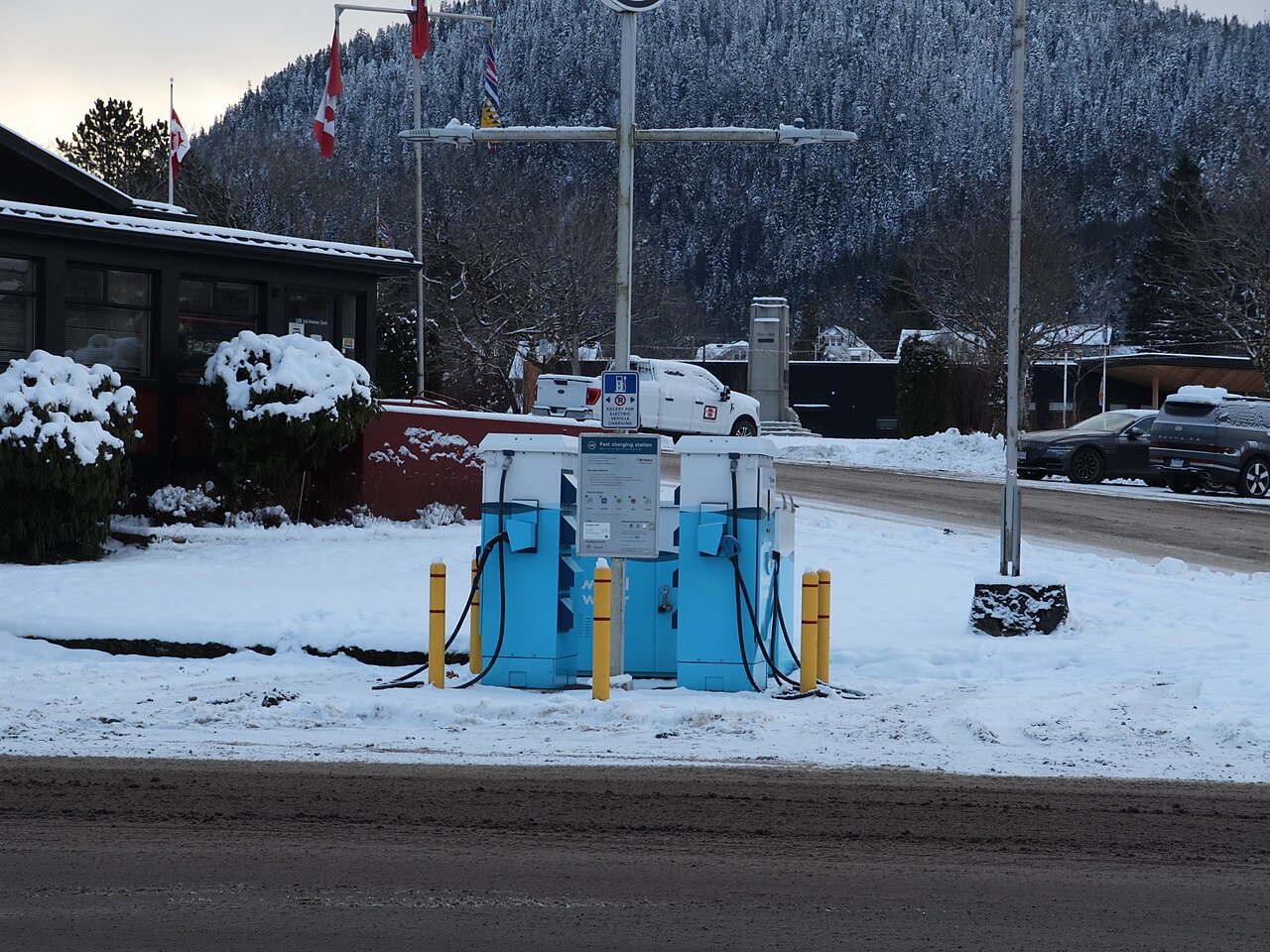
A used electric car can be a smart buy, but the inspection differs from a gasoline car. Work through battery health, charging equipment, warranty details and EV-specific paperwork before you commit.
In brief
- Battery health is the single most important thing to check. Ask for a dated State of Health report or pay for a diagnostic check by an experienced EV mechanic or dealer.
- Some capacity loss is normal. Most modern EV batteries degrade an average of 1.5 to 2.3 percent per year, and packs often retain 70 to 80 percent of original capacity after 10 to 15 years.
- Confirm the battery and powertrain warranty is still active and transfers to you, and check whether it covers gradual capacity loss or only outright failure.
- Repeated DC fast charging past about 80 percent can accelerate battery wear, and sustained heat is harder on a pack than moderate temperatures.
- State and local governments and some electric utilities offer incentives on used EVs, so check what applies in your area before you buy.
Used electric cars are arriving on dealer lots and private listings in growing numbers, and many cost less to buy and run than comparable gasoline models. The inspection looks different, though. The battery pack replaces the engine as the part that matters most, and a few EV-specific details deserve attention before money changes hands.
Start With Battery Health
Battery condition determines how far the car goes on a charge, how quickly it accepts a fast charge, and what it will be worth when you sell. Some capacity loss, called degradation, is normal and slow. Fleet data shows modern EV batteries lose an average of 1.5 to 2.3 percent per year under normal driving, so a 4 to 5 year old EV often retains more than 90 percent. Even after 10 to 15 years, packs typically keep about 70 to 80 percent.
- Ask for a State of Health figure. This percentage compares current maximum capacity to the original factory capacity. Request a written report dated within the last few months, not just the dashboard’s range estimate.
- Get a proper diagnostic check. An experienced EV mechanic or a dealer can run an on-board diagnostics check that measures battery health directly.
- Compare the full-charge range to the original. Ask to watch a full charge, then set that figure against the EPA range when the model was new. Gradual fade is expected; a sharp drop deserves a second look.
- Ask about charging history. Repeated DC fast charging past about 80 percent can speed up wear, and heat is the leading cause of battery degradation. A history of gentle home charging is the best sign.
- Ask where the car lived. Sustained heat wears a pack down faster than moderate temperatures.
- Do not confuse charge with health. A battery showing 100 percent charge is not necessarily at 100 percent of its original capacity.
Try this: Spend your inspection effort on the battery, not the paint. A pack in good condition performs close to new.
Checklist: Charging Port, Cable and Onboard Charger
The charging equipment is easy to test on the spot.
- Identify the connector. Charging connector types vary by manufacturer and model year, especially among older non-Tesla EVs. Confirm which public chargers the car fits before you buy.
- Test both charging levels. Ask to see the car charge from a standard 120-volt outlet and, if possible, a Level 2 charger. Watch that charging starts, runs and stops without errors.
- Inspect the charging cable. Confirm the mobile charging cord is included and check it for damage or heavy wear.
- Ask about warning messages. When cells get too far out of balance, the vehicle reports an error and requires service. Ask whether charging or battery warnings have ever appeared.
What to Verify About Warranties
Electric cars typically carry two separate warranties, and both matter when the car is used.
| Coverage type | What it covers | Typical term |
|---|---|---|
| Limited vehicle warranty | The whole vehicle | About 48 months or 50,000 miles |
| Battery and powertrain warranty | Battery, electric motors and major drivetrain parts | About 96 months or 100,000 miles |
Most battery warranties run 8 to 10 years or more and guarantee the battery will hold a set capacity level. Work through these points:
- Confirm remaining coverage. The battery and powertrain warranty matters most, because a replacement pack out of warranty can cost as much as $16,000.
- Read the degradation terms carefully. Some warranties cover only outright battery failure, not the gradual capacity loss that shortens range.
- Ask whether the warranty transfers. Coverage that stays with the original owner is worth nothing after the sale.
- Consider certified pre-owned. Franchise dealership EVs may come with an extended factory warranty; private sales and some used dealers sell as is, with no such protection.
Range, Tires and Running Costs
The EPA range figure is a laboratory estimate adjusted down for real-world factors such as air conditioning, cold temperatures and high-speed driving. Actual range also depends on speed, elevation, tire choice and battery condition. The median range for 2023 models reached 270 miles, but older used EVs offer far less.
- Match range to your driving. Calculate your daily mileage first. An EV with some degradation can still fit your life if it covers your regular routes and you rarely take long trips.
- Think about winter. Cold weather cuts range meaningfully, particularly on highway drives.
- Check the tires and brakes. Tires influence range as well as safety, so look at tread depth and condition.
- Estimate running costs. Plug In America shares the example of a long-term used EV owner who charges on a standard 120-volt outlet and estimates her electricity costs equal to about $1.25 per gallon of gasoline.
Recalls, Software and Ownership Records
- Check for open recalls. Ask the seller whether recall repairs are outstanding and confirm they were completed before you take ownership.
- Ask about software updates. Electric cars depend on software for battery management and charging, so ask whether the vehicle runs current updates.
- Look for high-voltage repairs. Review the service history for battery repairs or replacement and ask what prompted them.
- Ask how the car was charged and stored. The previous owner’s habits, the local climate and storage conditions all shaped the battery you are buying.
How to Price a Used EV Against a Similar Gas Car
Compare total costs, not just the sticker price. All-electric cars have fewer moving parts, which means lower fuel and maintenance costs over time. Where you buy affects the deal: franchised dealers and EV specialists charge more but often include certification, while private sellers and general used lots may be cheaper but sell as is. Factor in your home setup, since faster Level 2 charging carries an installation cost we cover in our home energy guide. Check whether your state or local government or electric utility offers used EV incentives; programs vary widely by location.
If you are still comparing models, our electric vehicles guide covers charging, range and running costs in more depth.
Related reading: A Timeline for Buying Your First Electric Car and Do EVs Lose Range in Winter?.
Reader questions
How much battery degradation is normal on a used EV?
Fleet data shows most modern EV batteries lose an average of 1.5 to 2.3 percent of capacity per year under normal driving, so a 4 to 5 year old EV often retains more than 90 percent of its original capacity. Even after 10 to 15 years, packs typically hold about 70 to 80 percent.
Is the EPA range figure what I will actually get?
Not exactly. EPA range is a laboratory estimate adjusted for real-world factors such as air conditioning, cold temperatures and aggressive driving. Your actual range also depends on speed, elevation, tire choice and the battery’s condition.
Should I only buy a used EV with an active battery warranty?
It is the safer route, because an out-of-warranty battery replacement can cost as much as $16,000. If the warranty has expired, a clean battery health report from a qualified diagnostic check becomes even more important.
Where is the best place to buy a used EV?
Used EVs are sold by franchised dealerships, used car dealers and private sellers, and some dealers specialize in them. A used dealer or private seller may offer a better price, but the car may be sold as is without a certified pre-owned warranty.
This article is general information, not financial, legal or tax advice. Programs, incentives and rules change, so check current details with official sources and qualified professionals before you decide.