


Top features for Oil & Gas B2B ecommerce websites
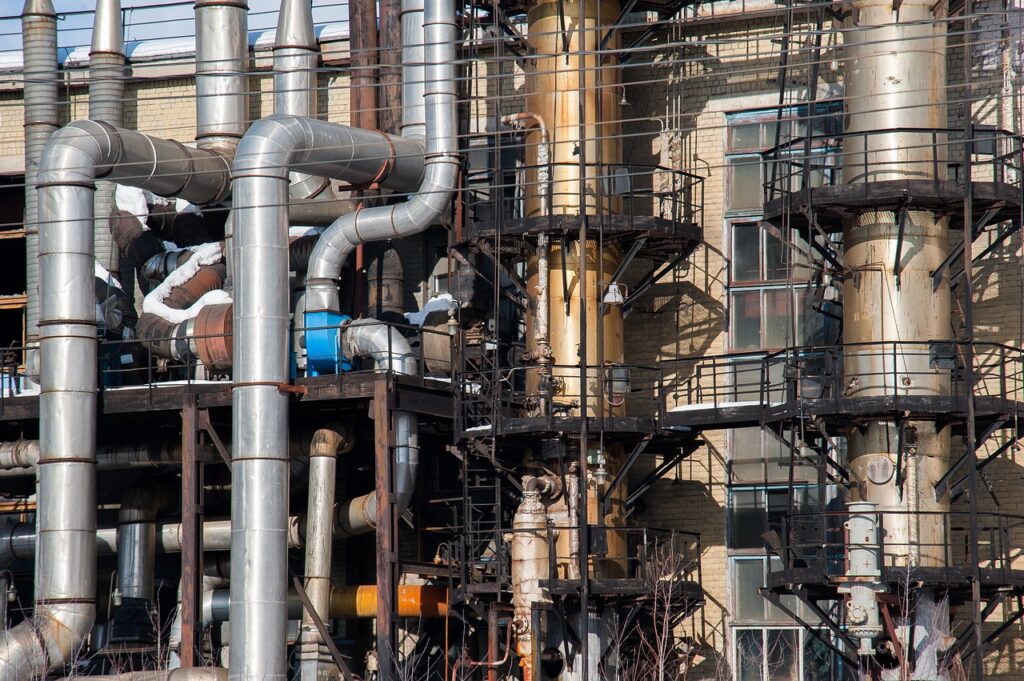
Even though the sustainability agenda, pricing challenges and events like the Deepwater Horizon spill have placed the oil industry under increasing pressure, the planet still depends on petroleum-based products. Analysts are predicting continued development in this important sector that's estimated to aid Ten million US jobs.
The pressure to keep compliance and achieve cost savings while reaching growth targets is resulting in revolutions in end-to-end processes in this demanding environment. Seamless integration of business systems, including sales and getting processes, is going to be one of the secrets of maintaining performance in these volatile times.
Collaboration
To remain competitive many companies within the Oil and Gas industry are developing partnerships and collaborations to make the most of emerging opportunities in supply chain integration, logistics, trading and payments. Within this fast-changing environment, information mill starting your digital transformation journey.
A robust ecommerce platform that supports a procure-to-pay approach and which works seamlessly along with other internal and external business systems is crucial. A platform built especially for B2B ecommerce like Cloudfy could be configured to assist companies meet industry-specific regulations for example environmental guidelines, operational reporting, and supplier qualification.
With a distributed workforce, time-critical and highly cost-sensitive requirements, reliable and simple user interfaces are essential. Your ecommerce platform must also accommodate widely-used standards for data exchange, such as the Petroleum Industry Data Exchange (PIDX).
Data dynamics
Procurement within the oil & gas sector is complex and easily fit into to the 'Amazon-like' buying experience that many B2B clients are looking for. Heavy purchase of exploration, equipment and resources mean that change is slower than in another sectors, but cost and efficiency are as vital here as elsewhere.
Converting data into business intelligence (BI) is driving innovation. Analytics and artificial intelligence (AI) applications are starting to be used to transform performance in the sector. To date, however, back-office operations like procurement haven't kept pace using the digitization that's transforming other parts of the profession.
Time is still wasted manually trying to find and purchasing parts and supplies. Email orders and pdf quotes can't deliver a precise, real-time business-wide view of total cost and performance.
Human error along with a lack of transparency for business operations, spending and the performance parts and machinery are through an impact on efficiency. This may lead to a spot in understanding between your executives and professionals, limiting ability to improve performance based on accurate real-time information. Having a single source of information across your company systems is becoming essential.
Technology trends
Four key technology trends will influence oil & gas company strategies in the future.
- Business in the Cloud – Cloud-based solutions are actually used for drilling, land and production systems, allowing infrastructure management, data sharing and security management. The next step is to increase this method through integration with major business systems to supply a real-time look at whole business, giving more control and personalized self-service options.
- Optimizing asset management – risk and reliability are key considerations, so comprehending the key performance indicators (KPIs) instantly from sub-surface visualization to optimizing the acquisition, delivery and employ of field assets is essential. Augmented and virtual the truth is already used in ecommerce and may seamlessly integrate with wider applications to deliver new methods for working.
- The web of products (IoT) – interoperability and knowledge interface protocols make automated ordering or replacement parts and merchandise area of the business workflow. By giving an ecommerce solution that can easily interface with plant and production processes, you'll be able to create rules that automatically keep everything running smoothly. Device connectivity, information systems and application workloads will assist you to optimize two-way transactions along with other business and operational systems.
- Learning from yesteryear, planning for the future – AI systems imply that previously unmanageable volumes of historical information can be used to create new working models. Self-diagnosing systems can automate maintenance programs, scheduling inspections and ordering parts without human involvement. Costs can be predicted and managed and performance can be optimized.


