


Cloudfy feature spotlight #3 – Bespoke menus
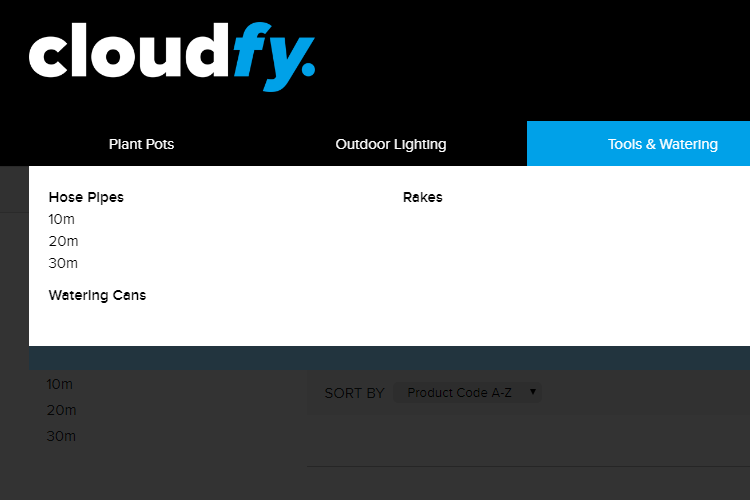
More and more business purchases are now being made online and your buyers have high expectations of their purchasing experience. One of the most important and challenging B2B ecommerce requirements is personalization based on agreed terms and previous buying histories.
Bespoke menus
Thanks to Cloudfy's bespoke menu feature your customers can easily login to determine their very own view of relevant products inside a personalized menu. They can see their most often bought products and regular purchases can also be pre-assigned, ready for fast re-ordering. Give a fast and effective predictive search option to enable them to when they're searching for something new and their overall buying experience is going to be greatly improved.
Access, roles and permissions
Several people is worried in the B2B shopping process, so it's essential that they can easily and quickly access the information they need to play operator efficiently. A website administrator can create bespoke menus for your customer accounts, setting permissions and allocating the best product categories. Buyer roles can be at different levels too, from purchasing managers to buying assistants.
Corporate accounts
The B2B process for bigger organizations may include multiple users in different company divisions and locations.
Bespoke menus can accommodate complex corporate account structures and roles. Your buyers can even setup and change their very own account management structure, adding users and setting purchasing rules.
Personalized catalogues
You can customize your product catalogue for every company, division, department, or individual buyers. As needed, each group within an organization can easily see its very own catalogue. This is a real time-saver if your catalogue includes hundreds or even thousands of items.
Tailored pricing
Pricing for every of the customers might vary depending on the volumes they buy, agreed discounts, and how frequently they placed their orders. You can allocate price points, pricing tiers, and different currencies.
If your company depends upon products and commodities whose prices vary regularly, integration with your enterprise resource planning (ERP) system will allow you to offer dynamic pricing using pre-set business rules.
Shopping lists
If your buyers use several departments or on multiple projects, they might need to manage and save multiple shopping lists. They will thank you for this method, which will save them effort and time once they have to place repeat or updated orders.
Wish lists
Your buyers may also save items which they do not have to buy today but might want in the future. This can save them time and enable you to understand their needs.
Recommendations and offers
You can also add relevant offers to your buyer's tailored product list to improve sales and customer satisfaction. You could also suggest related products, linked to the ones which are bought regularly.


