
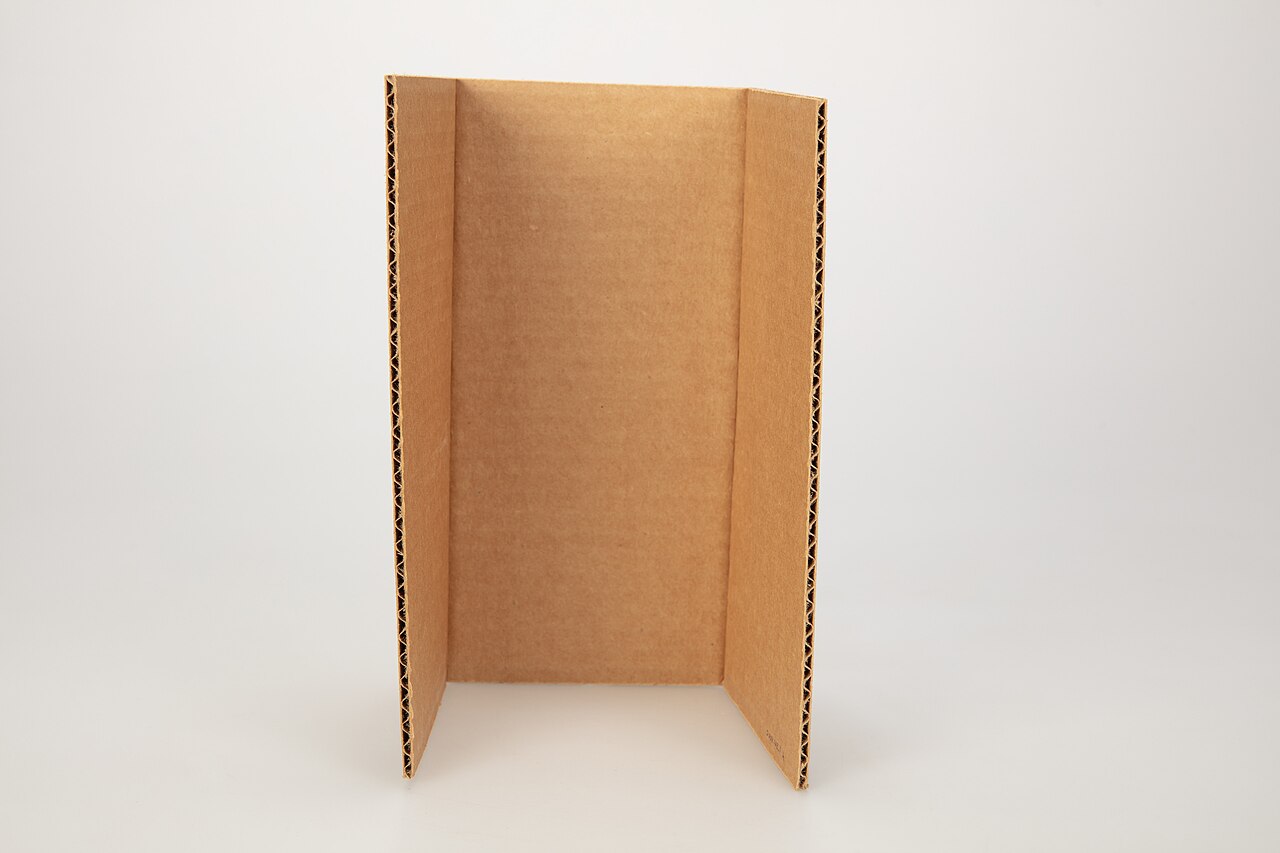
Most moving waste is optional. This checklist covers decluttering early, packing with what you already own, and giving boxes a second life after the truck leaves.
In brief
- The average move uses about 60 cardboard boxes, which amounts to more than half a ton of pine tree, according to MyMove data.
- Declutter room by room before packing, sorting everything into keep, sell and donate piles so you move less stuff and buy fewer supplies.
- Cushion fragile items with soft fabrics you already own, and fill box gaps with newspaper, rather than buying bubble wrap and packing peanuts.
- After the move, save only boxes with a named use, give away the rest, and recycle clean, flattened cardboard through your local program.
Moving day tends to generate a surprising amount of trash. The average move uses about 60 cardboard boxes, which adds up to more than half a ton of pine tree, according to MyMove data, and roughly 28 million Americans relocate in a typical year. Multiply that out and the boxes, plastic wrap and packing paper add up quickly. The good news is that most of it is optional. A greener move comes down to a series of small decisions made well before the truck arrives, and this checklist walks through each stage.
Why Moving Creates So Much Waste
A move compresses a year’s worth of packaging into a single weekend. Paper is already the largest single material in American trash, making up about 23 percent of municipal solid waste, and Americans recycled about 68 percent of the paper they used in 2018, according to the EPA. Cardboard boxes can live on after your move, but only if they stay clean and dry.
- Packing materials are built for one use. Boxes, plastic wrap and foam protect your things for a few days, then head to the landfill unless you intervene.
- The numbers compound. One analysis estimates the typical American uses 660 boxes to move over a lifetime.
- Rushed moves waste more. A last-minute scramble leads to extra trips, panic-bought supplies and usable furniture hauled to the curb that a neighbor would have taken.
Weeks Out: Declutter Before You Pack
Every box you do not pack saves packing material, truck space and lifting. A smaller load also means a smaller vehicle and fewer emissions.
- Start early and go room by room. Tackle one room per day so the job stays manageable.
- Sort everything into three piles: keep, sell and donate. Even without downsizing, most households are carrying items they no longer use.
- Handle hazardous items separately. Leftover paint, solvents and some cleaners do not belong in the trash or the recycling cart, and many communities have household hazardous waste drop-off sites. Our checklist on leftover paint covers the options.
- Use up what you can. Pantry staples and freezer food are heavy to haul and hard to move safely, so plan meals around them in the final stretch.
Where to Get Boxes Without Buying New Ones
- Ask around first. Friends, family, colleagues, neighbors and local shopkeepers often have boxes to spare.
- Borrow instead of buying. Suitcases, duffel bags, backpacks, bins and crates you already own work as boxes, and luggage handles heavy items like books especially well.
- Rent reusable containers. Some companies rent sturdy plastic moving boxes by the week, and rental boxes can be returned when you are done.
- Check box exchange programs. Some moving-truck rental locations let customers drop off and pick up used boxes. Call your location before you go.
- Reserve equipment early. Ask neighbors or check a local tool library for dollies and moving blankets. Booking ahead keeps you from panic-buying supplies the week of the move.
Packing With What You Already Own
Most homes already contain the best packing material on the market.
- Cushion fragile items with soft fabrics you already own, such as sweatshirts, towels and bed sheets, and leave the bubble wrap and foam peanuts on the store shelf.
- Fill empty space with lighter items from the same room rather than buying packing paper or foam peanuts.
- Use newspaper and paper ads as cushioning around dishes and glassware. They recycle easily afterward.
- Leave disposable plastic bags out of the packing unless you already know exactly how you will use them again after the move.
- Label every box by room. Knowing where things go speeds up unpacking and cuts the chance of rebuying something you already own.
- Drive at a quieter time if you can. Moving midday on a weekday can mean lighter traffic, a more efficient route and fewer emissions.
Donating and Selling What Won’t Come With You
A yard sale is one way to move housewares, clothing and furniture along, but these sales usually net less cash than people expect. Match each item to the right channel instead.
- Sell clothing through secondhand retailers, which typically pay more per item than a garage sale, though they will not accept everything you bring in.
- List furniture on local online marketplaces and set the listing to local pickup only, so the buyer does the driving.
- Sell working electronics through buyback services, which offer instant quotes for phones and laptops that still function.
- Donate what you would rather give away. Charities, shelters and thrift stores take items in good condition, and local buy-nothing groups are another option.
- Recycle what nobody wants. Broken electronics belong with e-waste recyclers or municipal collection points, not the trash. Our guide to recycling what the curbside bin won’t take covers more of these odds and ends.
After the Move: Boxes, Bubble Wrap and the Rest
Sort every box into one of three paths: save, share or recycle.
- Save only boxes you can name a use for, such as mailing gifts, garage storage or a known future move. Set a limit before you start; a modest stack of common sizes is more useful than a closet of cardboard.
- Flatten and store saved boxes somewhere dry, labeled by size.
- Give away the good ones. Neighbors, friends and people mid-move will often take clean, intact boxes. Include the quantity, sizes and condition in your listing, and remove or cover old shipping labels.
- Recycle the rest. Empty each box, pull out loose foam, straps and plastic, then flatten it. Ordinary tape and shipping labels generally do not need to come off; they are removed during processing.
- Keep cardboard clean and dry. One wet or greasy batch can downgrade a whole load and push material toward disposal.
- Pizza boxes are more recyclable than older guides suggest. The EPA says they can go in the bin even with normal grease, once food scraps are removed and the box is flattened.
- Do not assume a pile beside the cart will be collected. If flattened boxes will not fit, take the overflow to a municipal drop-off site or transfer station rather than leaving it at the curb.
- Compost plain cardboard in small amounts if you have a backyard pile and the boxes are clean and uncoated.
- Set foam and plastic wrap aside. They do not belong in the cardboard stream. Reuse them, pass them along, or check whether a local drop-off accepts plastic film.
Try this: Flatten boxes the day you empty them. A stack of intact cartons in a hallway has a way of becoming a permanent fixture, and clean, dry, flattened cardboard is what recyclers actually want.
Questions to Ask Movers About Their Practices
If you are hiring help, a few questions before you book can shape the whole move. Ask whether the company:
- Uses reusable or recycled packing materials, such as rentable bins or recycled-content boxes.
- Reuses packing materials between clients.
- Sources materials from suppliers with sustainable practices.
- Operates fuel-efficient or electric trucks.
Answers vary by region and price range, so ask early enough to factor them into your decision.
A low-waste move also sets up the next chapter. If you are replacing worn-out items at your new place, start with our guide to secondhand shopping, and keep our recycling guide handy for the packaging that arrives with anything you order once you are settled in.
Reader questions
Can pizza boxes go in the recycling?
The EPA says pizza boxes can be recycled even with normal grease, as long as you remove any food scraps and flatten the box. Local rules can differ, so check your community program.
Do I need to remove tape and shipping labels before recycling boxes?
Generally no. Industry guidance says ordinary tape and labels are removed during the paper recycling process. What matters is emptying the box and pulling out loose foam, straps and plastic.
What should I do with bubble wrap and foam blocks?
They do not belong in the cardboard stream. Reuse them, pass them along to someone else, or check whether a local drop-off site accepts plastic film.
How can I get moving boxes without buying new ones?
Ask friends, neighbors and local shops for spares, rent reusable plastic containers, use suitcases and bins you own, or check box exchange programs at moving-truck rental locations.
This article is general information, not financial, legal or tax advice. Programs, incentives and rules change, so check current details with official sources and qualified professionals before you decide.