
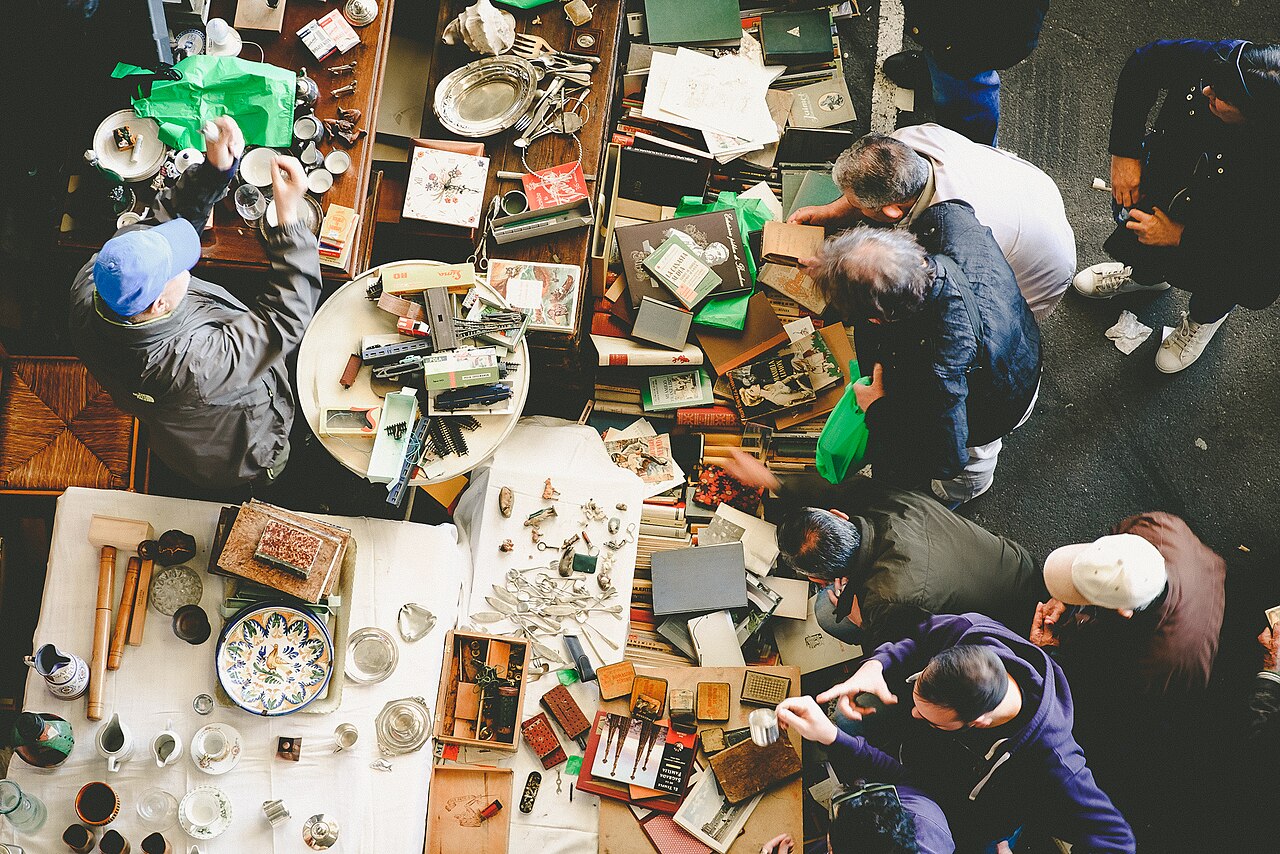
Buying used keeps useful goods in circulation, trims household spending and reduces the flow of items to landfills. Here’s where secondhand makes the most sense and how to shop it well.
In brief
- EPA estimated that textiles made up 17 million tons of municipal solid waste in 2018, only 14.7 percent of which was recycled.
- Plastics generation reached 35.7 million tons in 2018, with a recycling rate of 8.7 percent.
- Furniture, clothing, books and tools are usually strong secondhand buys; safety gear and some electronics deserve more caution.
- For used cars, consumer.gov advises getting a vehicle history report, checking recalls at NHTSA.gov and hiring a mechanic you trust to inspect the car.
- Selling or donating items you no longer need keeps them in use instead of in the trash.
Secondhand shopping is one of the few habits that saves money and reduces waste at the same time. A used dresser, jacket or set of hand tools costs a fraction of the new price, and every year of extra use is a year that item spends in a closet instead of a landfill. The trick is knowing which categories reward a little patience and which ones are worth paying full price for.
Why Buying Used Matters: What the Waste Data Shows
The EPA’s most recent Facts and Figures data, from 2018, put total municipal solid waste generation at 292.4 million tons, about 4.9 pounds per person per day. Half of that, more than 146 million tons, went to landfills. Recycling and composting together managed about 32.1 percent.
Some of the materials secondhand shopping targets are recycled at especially low rates. The EPA estimated that textiles, mostly discarded clothing, made up 17 million tons of waste in 2018, or 5.8 percent of the total, and only 14.7 percent of textiles were recycled. Plastics did worse: 35.7 million tons were generated, 12.2 percent of all municipal solid waste, with just 8.7 percent recycled.
Reuse works upstream of all of this. When you buy a used item, no new manufacturing demand is created and nothing new enters the waste stream. That is why EPA’s own guidance emphasizes source reduction, keeping materials out of the waste system entirely, as a priority alongside recycling. If you do end up discarding things, our guide to recycling right covers the mistakes that send recyclable items to the landfill.
What’s Worth Buying Used (and What to Skip)
Most household goods hold up well to a previous owner. These categories are generally strong secondhand buys:
| Item | Why it makes sense | What to check |
|---|---|---|
| Furniture | Solid wood pieces often outlast flat-pack new ones | Wobbling joints, odors, pest signs |
| Clothing | High-quality garments cost far less used | Seams, zippers, stains, pilling |
| Books and media | Content does not wear out | Page condition, missing discs |
| Tools | Simple mechanical tools last for decades | Rust, cracked handles, motor function |
| Dishes and glassware | No moving parts to fail | Chips and cracks |
A few categories deserve caution. Items whose safety depends on their condition, such as child car seats and bike helmets, are hard to evaluate secondhand because damage can be invisible. Electronics can be a good deal, but check that they power on and that replacement parts or batteries are still available.
Where to Find Quality Secondhand Goods
You have more options than ever, and they suit different needs:
- Thrift stores and consignment shops offer low prices and a rotating stock; consignment shops tend to curate more.
- Online marketplaces and local buy-and-sell groups let you search for exactly what you need and inspect items in person before paying.
- Estate and garage sales are good for furniture, tools and kitchenware, often priced to move.
- Library used-book sales and tool libraries cover occasional needs without buying at all.
Beware of listings for high-priced brand-name goods at suspiciously low prices. Scams around counterfeit and stolen merchandise exist, so meet sellers in person, pay with traceable methods and walk away from pressure tactics.
How to Inspect Secondhand Items Before You Buy
For most household goods, a few minutes of checking tells you most of what you need to know. Look for structural damage, test every moving part, open drawers and zippers, and smell for must or smoke. Ask where the item came from and why it is being sold.
Used cars get their own checklist, and consumer.gov lays it out clearly. Dealers must display a Buyers Guide in every used car they sell, which states whether the car is sold as is or with a warranty. Before you buy, get a vehicle history report (vehiclehistory.gov lists companies that sell them), ask about any safety recalls that have not been completed and check at NHTSA.gov yourself, take a test drive in conditions similar to your normal driving, and hire a mechanic you trust to inspect the car. The mechanic can tell you what repairs are needed and what they will cost, which can give you leverage on the price.
Selling and Donating What You No Longer Need
Reuse is a two-way street. Selling items you no longer use recovers some of their cost, and donating them puts them to work for someone else. Local charities, shelters, schools and buy-nothing groups all accept common household goods, though it is worth checking each organization’s list of what it can take before you load the car.
Keep expectations realistic. The EPA notes that significant amounts of textiles do enter the reuse market, but reused garments eventually enter the waste stream too. Donation extends an item’s useful life; it does not make it immortal.
When Buying New Still Makes Sense
Some purchases are better made new. Safety equipment, anything with an expired or unverifiable history, and items where efficiency matters can justify full price. A new efficient appliance or heating system can lower energy bills for years, which is why we cover options like heat pumps for home heating. And when you do buy new, read the marketing carefully. Our guide to spotting greenwashing explains how to separate real environmental claims from decoration. The goal is not to buy nothing new; it is to buy deliberately.
Reuse fits into a bigger picture of wasting less. For the kitchen, our guide to reducing food waste at home tackles the largest single thing most households throw away, and it pairs well with the secondhand habits above.
Reader questions
Does buying secondhand really reduce waste?
EPA data shows that most municipal solid waste is landfilled, and materials such as textiles and plastics have low recycling rates. When you buy used, an existing item stays in service instead of a new one being made and an old one discarded.
What should I never buy used?
Be cautious with items whose safety depends on their condition, such as child car seats, bike helmets and electrical equipment with damaged cords. If you cannot verify an item’s history or integrity, buying new is often the safer call.
How can I check a used car before buying?
Consumer.gov recommends buying a vehicle history report, which lists companies at vehiclehistory.gov, asking about unfinished safety recalls and checking at NHTSA.gov, and hiring a mechanic you trust to inspect the car before you commit.
Is donating better than throwing things away?
Usually, yes, because donations give items a second life with another household. EPA notes that reused textiles eventually enter the waste stream too, so donating extends an item’s life but does not make it last forever.
This article is general information, not financial, legal or tax advice. Programs, incentives and rules change, so check current details with official sources and qualified professionals before you decide.