
EPA estimates that a third of the food in the United States goes uneaten. Most households can shrink their share with a handful of habits.
In brief
- EPA says about one-third of all food in the United States goes uneaten, and an average family of four spends almost $3,000 a year on food that doesn’t get eaten.
- Plan meals, check what you already have and buy only what you’ll use before it spoils.
- Keep the fridge at 40°F or below and store produce in the right crisper drawer.
- Except for infant formula, date labels are about quality rather than safety, according to USDA.
- Freeze bread, meat and leftovers you won’t eat in time, labeled with what they are and the date.
Wasted food is one of the easiest environmental problems to tackle at home, because the fixes also save money. According to EPA, about one-third of all food in the United States goes uneaten, and the average family of four spends almost $3,000 a year on food that never gets eaten.
Where that food ends up matters too. EPA estimates that in 2019, about 96 percent of the food households wasted went to landfills, combustion facilities or down the drain, rather than to composting.
Shop with a plan
Most food waste starts at the store.
- Plan the week’s meals before you shop, and buy what those meals need.
- Check the fridge and pantry first so you don’t buy a second jar of something already open.
- Treat bulk deals with care. EPA points out that multi-buy offers only save money if you use all the food before it spoils.
- Use bulk bins for grains, nuts and spices when you need only a little.
- Don’t skip “ugly” produce. EPA notes that imperfect-looking fruit and vegetables are just as safe and nutritious, and sometimes cheaper.
Store food so it lasts
Good storage buys you days, sometimes weeks.
- Keep the fridge at 40°F or below. A cheap fridge thermometer takes the guesswork out.
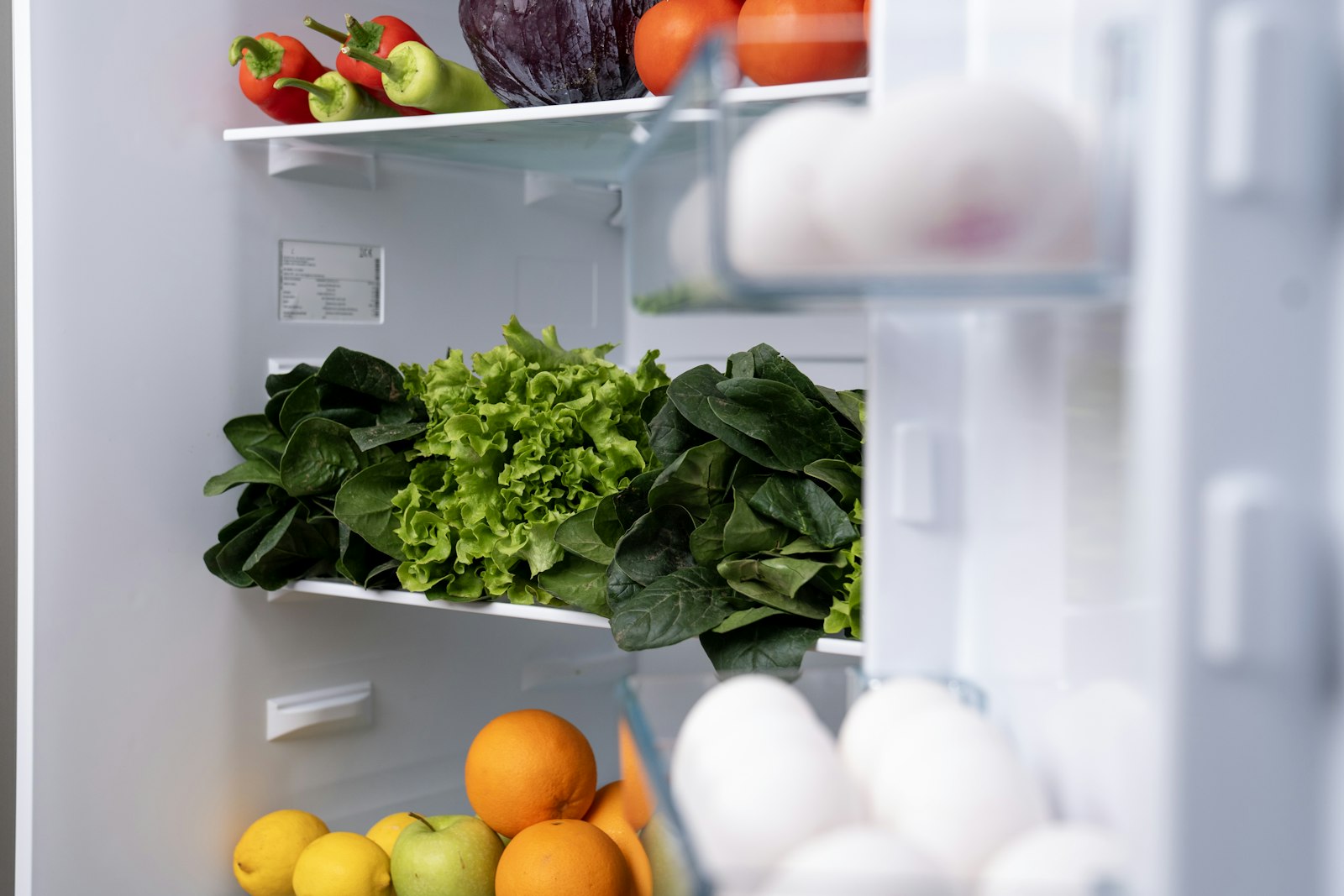
- Use the crisper drawers properly. EPA suggests the high-humidity drawer for produce that wilts, like leafy greens and carrots, and the low-humidity drawer for most fruit and for produce that tends to rot, like mushrooms and peppers.
- Separate ethylene producers. Bananas and avocados release ethylene gas as they ripen, which can speed up spoilage of produce stored next to them.
- Wash berries and grapes just before eating, not when you get home, to help prevent mold.
- Store potatoes, onions and garlic somewhere cool, dry, dark and well ventilated.
- Mind the door. It’s the warmest part of the fridge, fine for condiments but not for milk or eggs. The lower shelves are coldest and suit meat and fish.
Try this: Set aside one shelf or a clear bin as an “eat first” zone for leftovers and food that needs using soon. When everyone in the house knows where to look, less gets forgotten at the back.
Read date labels correctly
Confusing date labels lead people to throw away perfectly good food. USDA explains that, except for infant formula, product dating is generally not required by federal regulations, and most dates are about quality rather than safety:
| Label | What it means |
|---|---|
| Best if Used By | When the product will have the best flavor or quality. It isn’t a purchase-by or safety date. |
| Sell-By | Tells the store how long to display the product for inventory. It isn’t a safety date. |
| Use-By | The last date recommended for using the product at peak quality. For infant formula, it’s a firm date to follow. |
Properly stored food can stay safe past these dates until signs of spoilage appear. If something smells off, has an unusual texture or shows mold, throw it out.
Make friends with your freezer
EPA’s advice is blunt: befriend your freezer and visit it often.
- Freeze bread, sliced fruit, meat and leftovers you know you won’t eat in time.
- Label each container with what’s inside and the date.
- Store leftovers in clear containers so you can see what you have.
- Don’t leave perishable food at room temperature for more than two hours.
Use up what you have
Food that’s past its best can still be good for cooking. Soft vegetables work in soups and stir-fries, overripe fruit in smoothies or baking, and stale bread in croutons or breadcrumbs. If you have a glut of seasonal produce, EPA suggests preserving it: freeze, pickle, dehydrate, can or turn it into jam.
When scraps are unavoidable
Some waste, like peels, cores and coffee grounds, can’t be eaten. Composting keeps it out of the landfill and turns it into something useful for your garden. Our guide to home composting covers what can go in a backyard pile or worm bin. And if you’re cutting waste across the house, our guide to recycling right covers the packaging side.
Reader questions
Is food safe after the ‘best if used by’ date?
Often, if it has been stored properly. USDA says ‘Best if Used By’ describes when a product is at its best flavor or quality, not when it becomes unsafe. Throw out food that smells, tastes or looks spoiled, and always follow the ‘use by’ date on infant formula.
How long can leftovers sit out?
EPA’s advice is not to leave perishable food at room temperature for more than two hours. Refrigerate or freeze leftovers promptly in clear, labeled containers.
What should I do with scraps I can’t avoid?
Composting turns peels, coffee grounds and similar scraps into a soil amendment instead of landfill waste. Our home composting guide explains how to start.
Do bulk bins really help?
They can, because you buy only the amount you need. EPA suggests storing bulk purchases in airtight, labeled containers.
This article is general information, not financial, legal or tax advice. Programs, incentives and rules change, so check current details with official sources and qualified professionals before you decide.