
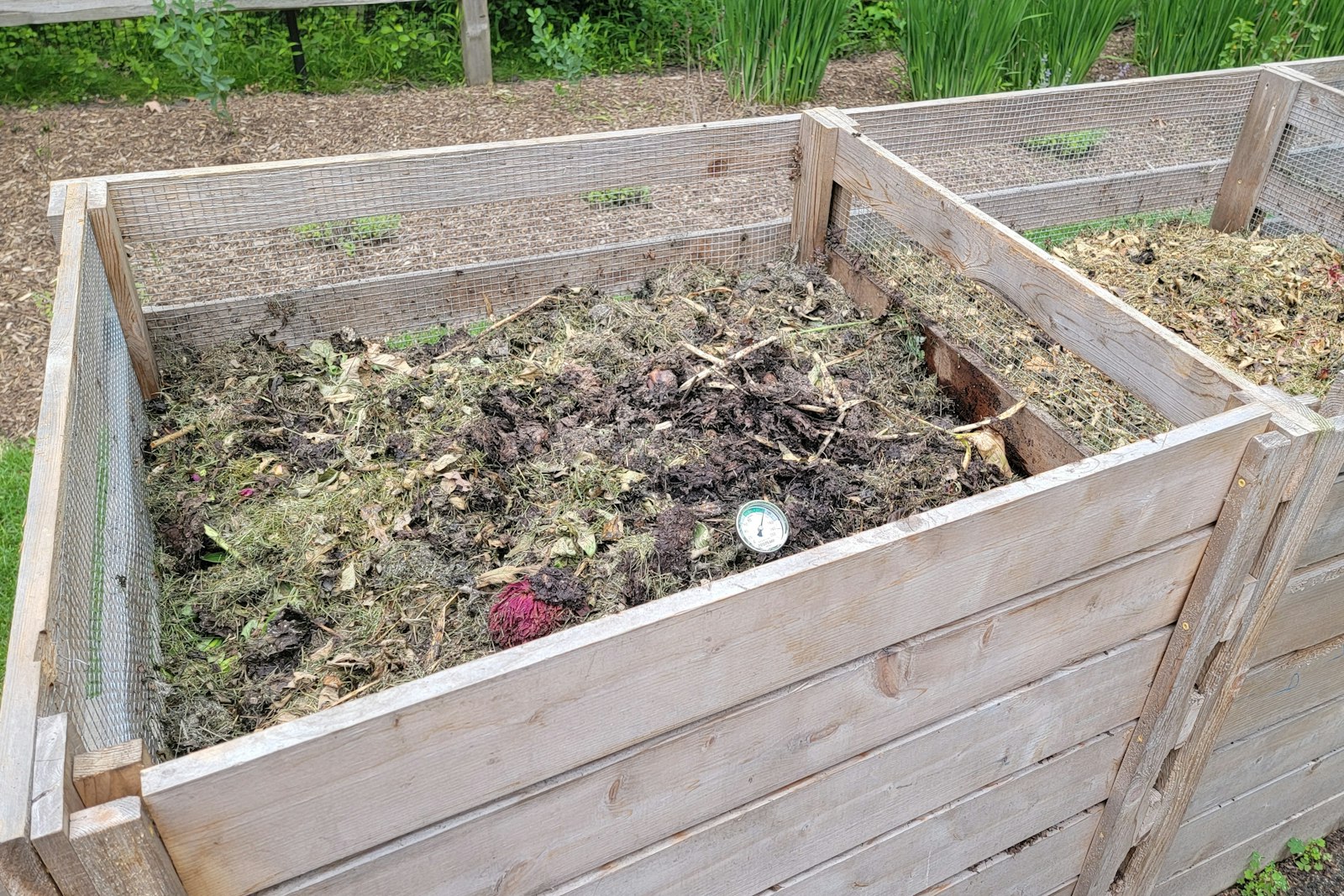
Compost turns kitchen scraps and yard waste into a dark, crumbly soil amendment. The recipe is simple: browns, greens, water and air.
In brief
- A compost pile needs four things: browns for carbon, greens for nitrogen, water and air.
- EPA suggests using at least two to three times as much browns as greens by volume, and keeping food scraps covered with dry browns.
- Keep meat, fish, dairy, fats and pet waste out of a backyard pile; they attract animals or don’t break down safely at backyard temperatures.
- A well-kept pile can be ready in about three to five months; an untended one can take a year.
- No yard? A worm bin can turn fruit and vegetable scraps into compost indoors.
Composting is recycling for organic matter. Microbes, fungi and small creatures break down food scraps and yard waste into compost, a soil amendment that improves garden beds and potted plants. It also keeps that material out of the trash. Here’s how to start, based on EPA’s guidance for composting at home.
What goes in
A good pile balances two kinds of material.
Greens are rich in nitrogen:
- Fruit and vegetable scraps
- Grass clippings
- Coffee grounds and paper filters
- Paper tea bags without staples
- Crushed eggshells
Browns are rich in carbon:
- Dry leaves
- Plant stalks and twigs
- Shredded non-glossy, uncolored paper and brown bags
- Shredded cardboard without wax, tape or glue
- Untreated wood chips
The pile also needs water, enough to keep it damp, and air, because the microbes doing the work need oxygen.
What stays out
EPA advises keeping these out of a backyard pile:
- Meat, fish, bones, cheese, dairy, fats, oils and grease. They attract animals, and backyard piles usually aren’t hot enough to break them down fully.
- Cooked food, except in small amounts.
- Compostable foodservice ware and bags, which usually need the higher temperatures of commercial facilities.
- Pet waste and cat litter.
- Diseased or pest-infested plants, aggressive weeds and weeds with seeds.
- Herbicide-treated plants and grass.
- Treated or painted wood, glossy paper and dryer lint.
- Produce stickers, which don’t break down.
Choose a spot and a bin
Pick a well-drained spot you can reach all year, ideally near a water source and not pressed against a fence. A simple bin made of wire, wood or cinder blocks works well, as does an enclosed barrel or tumbler, which can be tidier in small yards.
Build the pile
- Collect scraps in a lidded container on the counter, under the sink or even in the fridge or freezer. Keep a supply of leaves and twigs outdoors.
- Chop tough scraps, like corn cobs and broccoli stalks, into smaller pieces so they break down faster.
- Lay a base of 4 to 6 inches of bulky browns, such as twigs or wood chips, to soak up liquid and let air in.
- Layer greens and browns like lasagna, using at least two to three times as much browns as greens by volume.
- Bury food scraps under 4 to 8 inches of dry browns to discourage pests and smells.
- Add water as needed so the pile feels like a wrung-out sponge.
Keep it working
A well-kept pile heats up, often to about 130°F to 160°F, which helps reduce pathogens and weed seeds. Turn it every so often with a garden fork, moving material from the outside to the middle.
| What you notice | Likely cause | What to do |
|---|---|---|
| Pile is dry and not breaking down | Too little water | Dampen and mix |
| Bad smell | Too wet or not enough air | Add browns and mix |
| Pile isn’t heating up | Not enough greens | Mix in greens and stir |
Harvest the compost
When the pile no longer heats up after mixing and you can’t recognize the food scraps, let it cure for at least four weeks. It will shrink to about a third of its original size. A well-maintained pile can be ready in three to five months; left alone, it may take a year.
Finished compost is dark and crumbly and smells earthy. Sift out leftover twigs, pits and stickers with ¼-inch hardware cloth and toss them back on the pile.
Try this: Keep a bag of dry leaves next to the bin from fall onward. Having browns ready makes it easy to cover each delivery of kitchen scraps.
No yard? Try a worm bin
Worm composting works indoors, under a sink or in a closet or basement.
- Use a dark bin with a snug lid and air holes, set inside a second bin to catch liquid.
- Start with about a pound of red wrigglers (Eisenia fetida), roughly 1,000 worms. Outdoor and bait-shop worms aren’t suitable.
- Fill the bin halfway with damp, torn newspaper, cardboard or dry leaves, plus a handful of soil.
- Feed chopped fruit and vegetable scraps, coffee grounds and crushed eggshells, buried under 2 inches of bedding.
- Skip citrus, onions, garlic, meat, dairy, greasy food, bones and pet waste.
EPA suggests keeping the bin between about 59°F and 77°F. After three to six months, you can harvest the worm castings from the bottom; they don’t need curing.
Make less to compost
Composting is the last stop for food scraps, not the first. Our guide to wasting less food helps cut the amount you throw out, and our recycling guide covers the packaging that comes home with it.
Reader questions
Does compost smell?
A healthy pile smells earthy. A bad odor usually means it’s too wet or short of air; EPA suggests adding browns and mixing.
Can I compost ‘compostable’ cups and bags at home?
Usually not. EPA notes that backyard piles typically don’t get hot enough to fully break down compostable foodservice ware and bags. A commercial composting facility may accept them, so check first.
How do I know the compost is finished?
It stops heating even after mixing, no recognizable food remains, and it’s dark, crumbly and earthy-smelling. EPA suggests letting it cure for at least four weeks before using it.
What if I can’t compost at home?
Many communities offer food scrap drop-off sites or curbside collection. Your local waste or recycling program can tell you what’s available.
This article is general information, not financial, legal or tax advice. Programs, incentives and rules change, so check current details with official sources and qualified professionals before you decide.