
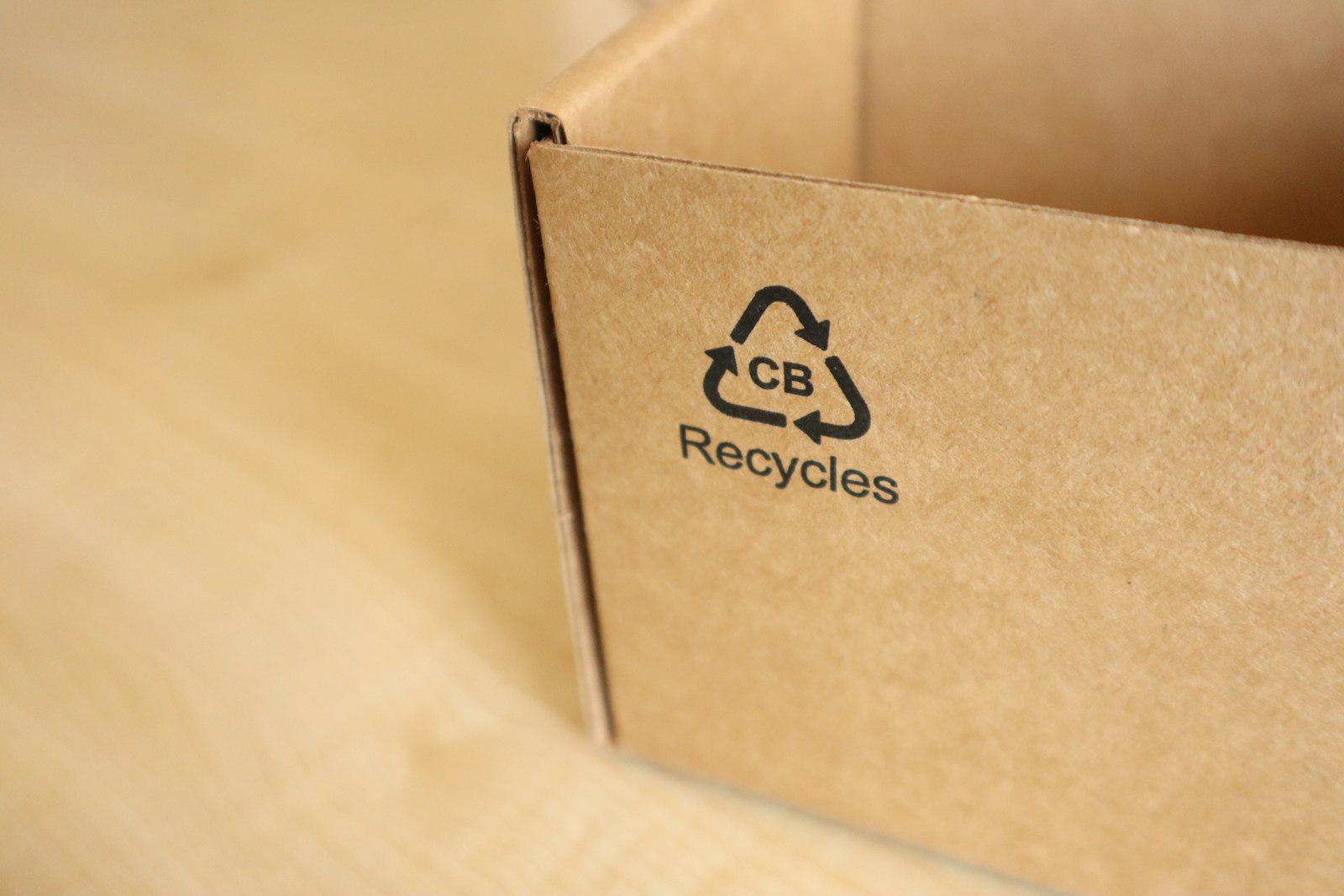
Green claims sell products. The FTC’s Green Guides set out what those claims should mean, which makes them a handy tool for shoppers.
In brief
- The FTC warns that broad claims like ‘eco-friendly’ are difficult, if not impossible, to substantiate; look for specific benefits instead.
- Under the Green Guides, ‘recyclable’ claims should be qualified if recycling facilities aren’t available to at least 60% of the consumers or communities where a product is sold.
- Compostable claims should say so if a product can’t be composted safely or in a timely way at home.
- Seals and certifications should make clear what they’re based on, and marketers must disclose material connections to certifiers.
- A ‘free-of’ claim can still mislead if the product contains another substance with a similar environmental risk.
“Eco-friendly.” “Green.” “Earth-conscious.” Environmental words are everywhere on packaging, and plenty of them say very little. Greenwashing is the practice of making a product or company sound better for the environment than it really is.
The Federal Trade Commission’s Green Guides explain how the agency applies truth-in-advertising law to environmental claims. They’re written for marketers, but they’re just as useful for shoppers who want to know what a claim should mean.
Be wary of vague claims
The FTC says broad environmental claims are difficult, if not impossible, to substantiate. A product called “green” or “eco-friendly” may have one modest environmental benefit, but the label implies far more.
Under the Green Guides, marketers should qualify general claims with a specific, clearly explained benefit, such as “made with 50% recycled plastic.” Even then, a qualified claim implies the benefit is significant, so a trivial one shouldn’t be headlined.
Shopper’s test: if a claim doesn’t say what is better, by how much and compared with what, treat it as decoration.
“Recyclable”
A product labeled recyclable should be something your community can actually recycle. The Green Guides say recyclable claims should be qualified when recycling facilities aren’t available to at least 60% of the consumers or communities where the product is sold. You might see wording such as “This product may not be recyclable in your area.”
The number in a chasing-arrows symbol only identifies the type of plastic. Your local program’s list is what counts. Our guide to recycling right explains how to check.
“Compostable” and “degradable”
- Compostable claims need reliable evidence that all the materials, packaging included, break down into usable compost in a safe and timely way. If a product can’t be composted at home, the claim should say so, and claims about municipal or industrial composting should be qualified if such facilities aren’t available to a substantial majority of consumers.
- Degradable or biodegradable claims without qualification should only be made if the entire item completely breaks down within a reasonably short time after customary disposal, which the Green Guides define as one year for solid waste. Most trash goes to landfills, incinerators or recycling facilities, where that doesn’t happen.
Seals and certifications
Seals can be meaningful or almost empty. According to the Green Guides:
- A seal should make clear what it’s based on. Seals that don’t convey the basis for certification can mislead.
- Marketers must disclose any material connection to the certifying organization that could affect its credibility.
- A third-party certification doesn’t excuse a marketer from backing up every claim it makes.
Government programs with published criteria include ENERGY STAR for energy efficiency, WaterSense for water efficiency and EPA’s Safer Choice label for cleaning and other products. Our guide to safer cleaning products explains what Safer Choice checks.
“Free-of” claims
A product can say it’s free of a substance only if it contains no more than trace amounts, the substance wasn’t intentionally added and the remaining amount causes no harm consumers would associate with it. The Green Guides add two catches:
- A “free-of” claim misleads if the product contains a different substance that poses a similar environmental risk.
- Claiming a product is free of something that has never been associated with that product category can mislead, too.
Renewable energy claims
“Made with renewable energy” should mean that all, or virtually all, of the significant manufacturing processes ran on renewable energy, or on conventional power matched with renewable energy certificates. A company that generates its own solar power but sells the certificates shouldn’t claim to use renewable energy. Our guide to community solar explains how renewable energy certificates work.
Try this: Before you pay more for a green claim, ask three questions: What exactly is the benefit? Is there a number? Who says so? If the package can’t answer, the claim probably isn’t doing much work.
When a claim seems wrong
If a claim looks deceptive, you can report it to the FTC at ReportFraud.ftc.gov. Reports help the agency spot patterns, even though it doesn’t resolve individual complaints.
Reader questions
Are the Green Guides law?
They’re FTC guidance explaining how the agency applies the law against deceptive advertising to environmental claims. A company making claims inconsistent with them risks FTC action under the FTC Act.
What does ‘biodegradable’ really mean?
Under the Green Guides, an unqualified degradable claim should only be made if the entire item will completely break down and return to nature within a reasonably short time after customary disposal, which for solid waste means within a year. Items that end up in landfills, incinerators or recycling facilities won’t meet that test.
Is a recycled-content claim meaningful?
It can be, if it’s specific. Look for the percentage of recycled content and whether it applies to the product, the packaging or both.
Where can I report a misleading claim?
You can report deceptive advertising and business practices to the FTC at ReportFraud.ftc.gov.
This article is general information, not financial, legal or tax advice. Programs, incentives and rules change, so check current details with official sources and qualified professionals before you decide.