
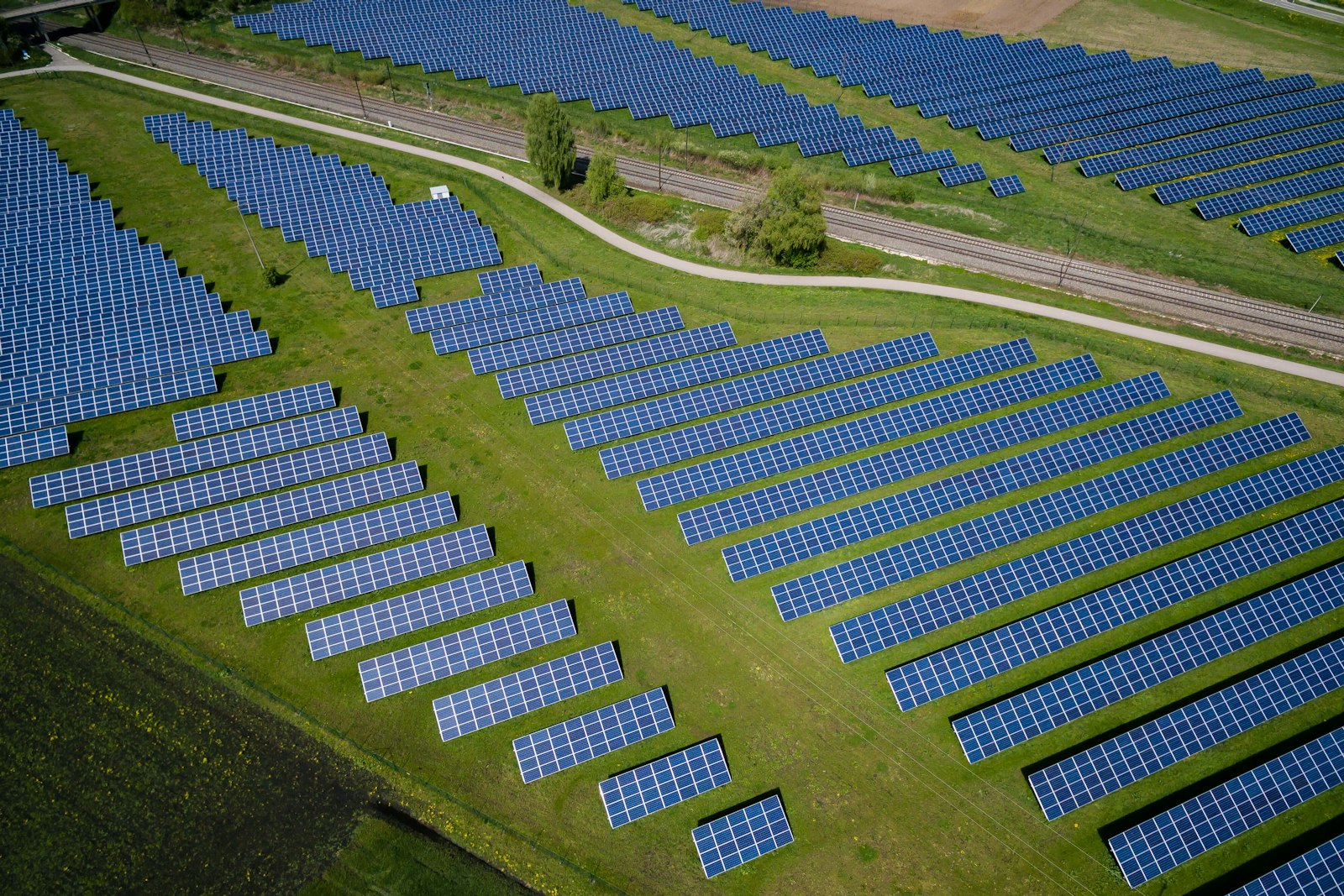
If you rent, have a shaded roof or can’t afford panels, community solar may let you back solar power and earn credits on your electric bill.
In brief
- DOE defines community solar as a solar project or purchasing program in which the benefits flow to multiple customers, usually from an off-site array.
- Subscribers typically pay a monthly fee for a share of a project’s output and receive credits on their electricity bill.
- Before signing, DOE suggests checking your state’s consumer protections, any savings guarantee, fees for leaving and how to make a complaint.
- EPA says renewable energy certificates (RECs) are the instrument electricity users must use to back up claims that they use renewable power.
Rooftop solar isn’t an option for everyone. Renters don’t control their roofs, some homes are shaded or have roofs in poor condition, and not every household has the money to buy panels. Community solar offers another route.
How community solar works
The Department of Energy defines community solar as any solar project or purchasing program, within a geographic area, in which the benefits flow to multiple customers. In most cases the panels sit on a shared array somewhere else, such as a field, a warehouse roof or a former industrial site.
The most common model works like this:
- You subscribe to a share of the project’s output, usually for a monthly fee.
- The project sends its electricity to the grid, and the utility buys it.
- You receive a credit on your electric bill for the value of your share.
In some programs, participants buy an ownership share instead of subscribing.
Who it suits
DOE says community solar can suit people who can’t install panels because they rent, households without the budget for a rooftop system and homes whose roofs or electrical systems aren’t suited to solar. DOE also cites NREL analysis suggesting that nearly half of all households and businesses can’t host rooftop systems.
Questions to ask before you sign
DOE advises subscribers to check their state’s consumer protections for community solar and to read the full agreement. Its checklist includes:
- Does the contract ensure a bill credit that delivers savings of 20% or more?
- Are there exit, termination or sign-up fees?
- Is there a plain-language disclosure upfront, in your primary language?
- Is there an accessible way to file a complaint?
Try this: Ask what happens if you move. Some subscriptions can move with you within the same utility area; others end, sometimes with a fee.
What renewable energy certificates mean
When renewable power enters the grid, it mixes with everything else, so you can’t tell which electrons came from where. That’s why renewable energy certificates exist. EPA explains that a REC represents the environmental and other non-power attributes of 1 megawatt-hour of renewable electricity, and that RECs are the instrument electricity consumers must use to substantiate renewable electricity use claims.
This matters for marketing claims, too. The FTC’s Green Guides say a business that generates renewable power but sells the RECs shouldn’t claim it uses renewable energy. Our guide to spotting greenwashing covers more of these rules.
Other ways to back renewable power
- Utility green power programs. Many utilities let customers pay to match some or all of their use with renewable electricity.
- Rooftop solar. If you own a suitable home, our rooftop solar guide walks through the decision.
- Using less. The cleanest kilowatt-hour is the one you don’t need, whatever its source.
Is it right for you?
Community solar makes the most sense when your state has strong consumer protections, the contract offers real bill savings and leaving is straightforward. Read the agreement as carefully as you would any long-term contract, and don’t let a door-to-door or phone salesperson rush you.
Reader questions
Will community solar definitely save me money?
Not necessarily. Savings depend on the contract and your state’s program. DOE’s checklist asks whether the contract ensures a bill credit that delivers savings of 20% or more, and what fees apply.
Can I cancel a community solar subscription?
It depends on the contract. Look for exit, termination or sign-up fees before you commit, and check what happens if you move.
Is community solar available everywhere?
No. It depends on state policy and local utilities. Your utility and your state’s energy office are good places to start.
How is this different from a utility green power program?
Community solar gives you a share of a specific project, credited on your bill. Utility green power programs let you pay to match some or all of your electricity use with renewable power, typically backed by RECs. Ask how each option handles RECs if you want to say you use renewable electricity.
This article is general information, not financial, legal or tax advice. Programs, incentives and rules change, so check current details with official sources and qualified professionals before you decide.