
Rooftop solar can cut electricity bills for decades, but the economics depend on your roof, your utility’s rules and how you pay for it.
In brief
- DOE says panels perform best on south-facing roofs with a slope between 15 and 40 degrees; roof age, condition and shade matter too.
- You can buy with cash or a loan, or sign a lease or power purchase agreement (PPA); only owners get the tax benefits.
- Net metering rules vary by state and utility, so ask your utility how it credits power you send to the grid.
- The FTC advises getting written quotes from several companies, checking licenses and complaints, and walking away from high-pressure sales.
- The federal Residential Clean Energy Credit isn’t available for systems placed in service after December 31, 2025.
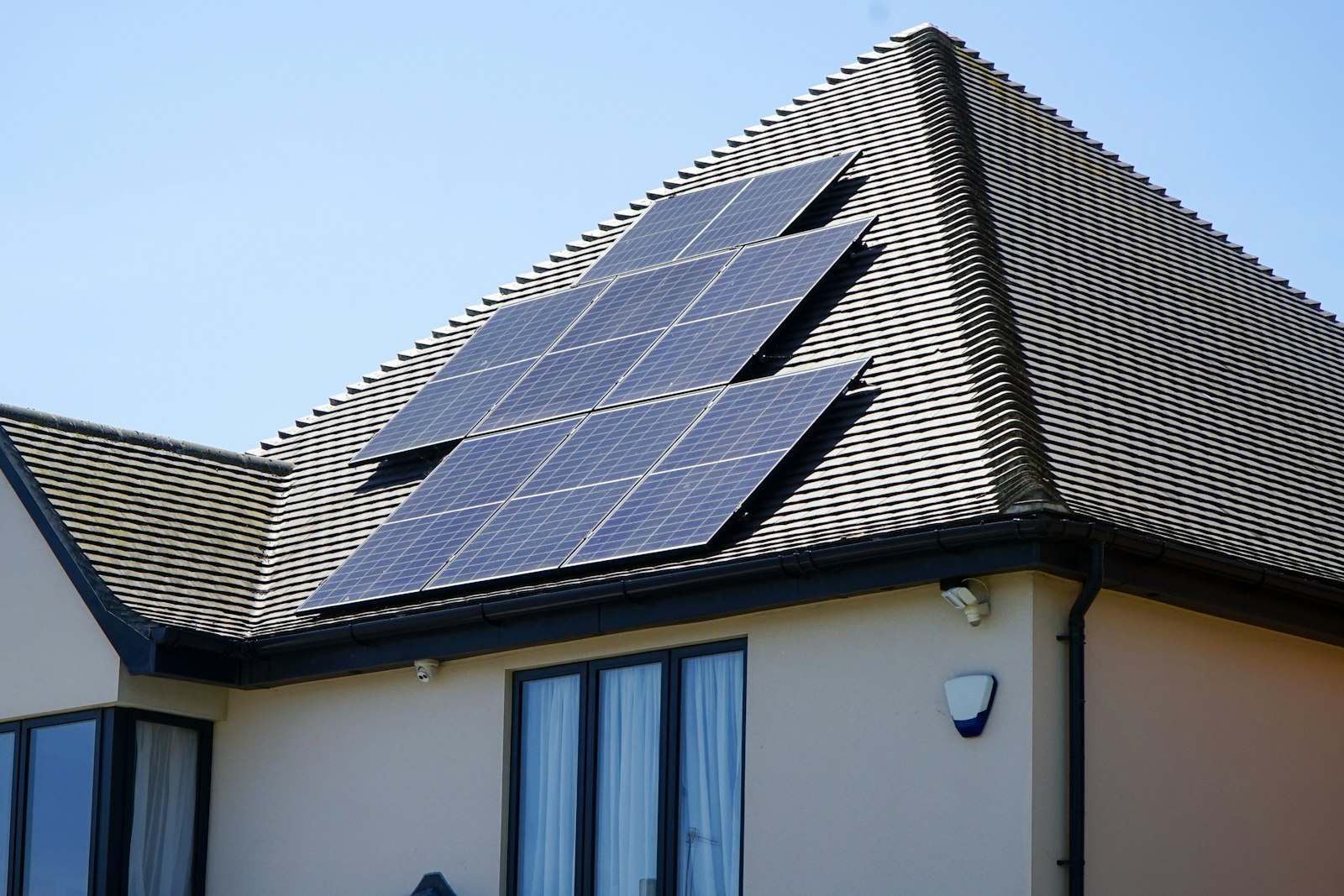
Solar panels on a roof turn sunlight into electricity for the home below, with any surplus often sent to the grid. For the right house, they can lower electricity bills for 20 years or more. For the wrong one, or with the wrong contract, they can be a costly disappointment. These are the questions to work through first.
Is your roof suitable?
The Department of Energy’s homeowner guide notes that panels perform best on south-facing roofs with a slope between 15 and 40 degrees. East- and west-facing roofs can still work, with less output. Other factors:
- Shade. Trees and nearby buildings can sharply reduce output.
- Age and condition. The FTC points out that solar systems are designed to stay on a home for at least 20 years, so a roof that will need replacing soon is a problem.
- Size and layout. Chimneys, vents and dormers reduce usable space.
- Local conditions, such as snow and dust, also affect output.
Cut your energy use first
DOE notes that energy efficiency upgrades complement solar economically. Every kilowatt-hour you don’t use is one your panels don’t have to produce, which can mean a smaller, cheaper system.
Ways to pay
| Option | Who owns the system | What you pay | Tax benefits |
|---|---|---|---|
| Cash purchase | You | The full cost upfront | You may qualify |
| Solar loan | You | Loan payments over time | You may qualify |
| Lease | The solar company | A fixed monthly payment | The company keeps them |
| Power purchase agreement | The solar company | A set price per kWh produced | The company keeps them |
DOE notes that buying outright usually has the lowest total cost. The FTC warns that leases and PPAs are long contracts, sometimes 20 years, that can be difficult and expensive to end, and that payments can rise. If you might sell your house, ask whether the contract can transfer to a buyer.
Some states offer Property Assessed Clean Energy (PACE) financing, repaid through your property taxes. The FTC cautions that a PACE lien takes priority over your mortgage, and late payments can risk default and foreclosure.
Net metering and your utility
Call your utility before you sign anything. Under net metering, you get credit for surplus power sent to the grid, but the rules, rates and limits vary by state and utility. The FTC also reminds homeowners that fixed utility fees for delivery and administration still apply even if you buy less electricity.
Compare quotes carefully
The FTC recommends getting written quotes from several companies that spell out:
- System size and expected annual output
- The full cost of installation, including permits
- Any guaranteed production and what happens if it falls short
- Warranties on panels, inverters and workmanship
Check each company with your state’s contractor licensing board and consumer protection agencies, and search its name along with “complaints” or “reviews.” DOE describes NABCEP certification as the industry standard for installers.
Be careful: The FTC warns against sellers who pressure you for a quick decision, want a signature before you’ve had time to read the contract, or demand cash. Be skeptical of savings projections, because future utility rates are hard to predict.
Tax credits and incentives in 2026
According to the IRS, the federal Residential Clean Energy Credit isn’t available for property placed in service after December 31, 2025. State, local and utility incentives may still exist, so check what applies where you live. Your contract should state who receives any incentives and renewable energy certificates.
If rooftop solar isn’t right for you
Renters, people with shaded roofs and anyone not ready to buy panels can still support solar through community solar. And if you’re electrifying your home, our guide to heat pumps explains how they pair with solar power.
Reader questions
What’s the difference between a lease and a PPA?
With a lease, you pay a fixed monthly amount to use a system someone else owns. With a power purchase agreement, you pay for the electricity the panels produce at a set price per kilowatt-hour. In both cases the company owns the system and keeps any tax benefits.
Should I replace my roof first?
If it’s nearing the end of its life, it often makes sense. Removing and reinstalling panels adds cost. The FTC suggests asking every bidder what happens if you need roof repairs after installation.
Will solar panels keep my power on during an outage?
Most grid-connected systems shut down during an outage for safety unless they’re paired with battery storage or other equipment designed to provide backup power. Ask about this upfront if backup matters to you.
Can I go solar if I rent?
Usually not on your own roof, but community solar lets renters and others subscribe to a share of an off-site project. See our community solar guide.
This article is general information, not financial, legal or tax advice. Programs, incentives and rules change, so check current details with official sources and qualified professionals before you decide.