
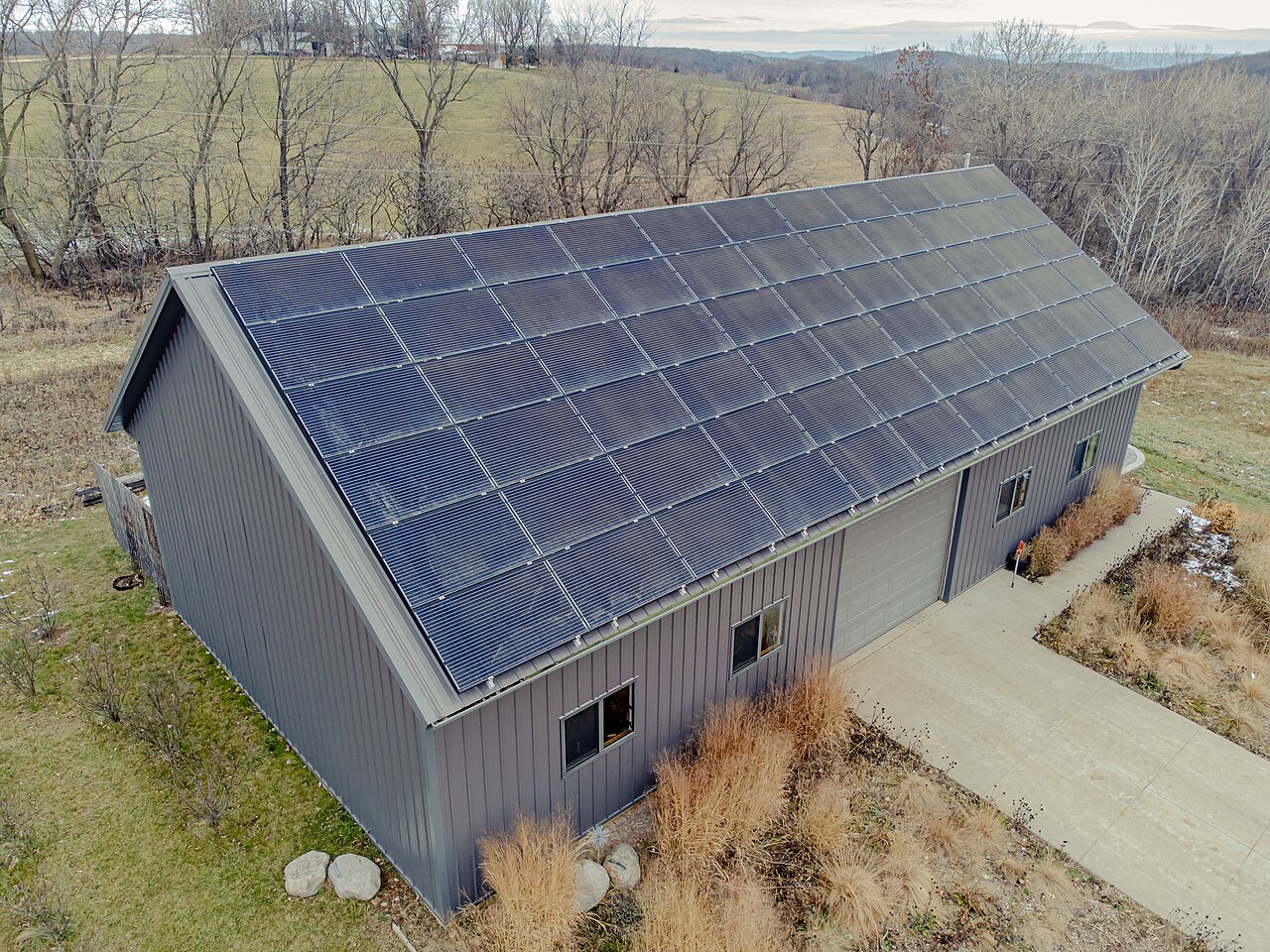
A lease or power purchase agreement is a 20- to 25-year commitment. Work through this checklist before you put your signature on one.
In brief
- In a lease or PPA, the solar company owns the equipment and claims the federal tax credit, not you.
- Leases and PPAs typically run 20 to 25 years, so selling your house mid-contract requires a buyer who assumes the lease or an early buyout.
- The CFPB has found that hidden dealer fees can raise solar loan costs by 30% or more above the cash price.
- Compare the company’s production estimate with a tool like NREL’s PVWatts before accepting the savings claim.
- Any offer of free solar panels from a government program is a scam, according to the FTC.
Leases and power purchase agreements let you put solar panels on your roof with no money down, which makes them an appealing way into clean energy. They are also long commitments, typically 20 to 25 years, and the fine print matters more than the sales pitch. This checklist covers what to verify before you sign anything.
Know Which Deal You Are Actually Being Offered
The first item on the list is the one salespeople are least likely to volunteer.
- Ask to see the page naming the arrangement. The contract should state plainly whether you are signing a loan, a lease or a PPA, and who holds title to the equipment. If a salesperson cannot or will not point to it, stop there.
- Understand what a lease is. A third party installs panels on your roof and charges you a monthly rate, calculated from the system’s estimated production, for a fixed term that typically runs 20 to 25 years.
- Understand what a PPA is. Instead of a flat monthly payment, you pay a set price for the electricity the system actually produces. In many PPA contracts, that price increases over time even if utility rates stay flat.
- Know who owns and who benefits. In a lease or PPA, the company or its investors own the equipment, claim the federal tax credit and keep the equity. You also do not choose the installer or the equipment.
- Be skeptical of “free solar.” The FTC is blunt on this: the federal government does not install solar systems in homes for free, and claims that government programs cover the whole cost are a hallmark of scams.
Check the Savings Claims and the Fee Structure
Every dollar figure in the proposal deserves a second look.
- Ask for the production estimate in writing. Panels perform best on south-facing roofs with a slope between 15 and 40 degrees, and heavy shade from nearby trees can rule out rooftop solar entirely.
- Run your own numbers. The National Renewable Energy Laboratory offers a free tool called PVWatts that estimates production and cost for any address. Use it as a sanity check on the company’s projection, then ask for a custom estimate from the installer.
- Remember the utility bill does not disappear. You will still pay the utility’s fixed charges for delivery and administration, and you will probably still buy some power from the grid. Net metering for excess power varies by utility, so ask yours how it handles solar customers.
- Ask about the escalator. Get the annual rate increase in writing and calculate the total cost over the full term, not just year one.
- Compare the amount financed to the cash price. The Consumer Financial Protection Bureau has found that some solar lenders cram hidden dealer fees into loans, often raising the cost by 30% or more above the cash price. On a loan, the Truth in Lending disclosure is where that gap shows up.
- Ask what happens if the system underperforms. In many leases and PPAs, you owe the payments regardless of how much power the system actually produces.
Plan for a House Sale Before You Sign
If there is any chance you will move within 20 years, this section is the whole ballgame.
- Ask how a sale works. The buyer may need to assume your lease, or you may need to buy out the contract early. Either outcome can complicate a sale.
- Look for transfer restrictions, buyout penalties and liens. These clauses can also complicate refinancing, not just selling.
- Price the buyout both ways. Ask what a mid-term buyout costs and what a purchase at fair market value at the end of the term might run. That end-of-term price is not always as low as the sales materials imply.
- Ask who pays for removal. If the panels come down, find out whether removal is included, and what it covers.
Check the Roof and the Equipment First
The contract is only as good as what sits under it.
- Compare roof age to system life. Residential solar panels usually last 20 to 25 years. If your roof needs replacement before then, panels have to come off and go back on.
- Ask about the inverter. String inverters typically last 10 to 15 years and may need replacement during the panels’ lifetime, while microinverters mounted on each panel tend to last about as long as the panels do. In a lease, maintenance is the company’s job, so get that in writing.
- Check HOA rules early. If you have a homeowners’ association, find out whether its approval is needed before installation.
- Consider community solar as an alternative. If your roof is shaded, aging or poorly oriented, a shared solar array can deliver solar savings without anything on your roof.
Questions to Ask Before You Sign
- Am I signing a loan, a lease or a PPA, and who owns the equipment?
- Who claims the federal tax credit, and how is that reflected in my price?
- What is the monthly payment, the annual escalator and the total cost over the full term?
- What warranties apply, and what is the cancellation policy?
- What are the transfer, buyout and removal terms if I sell or refinance?
Be careful: The FTC warns that anyone pressuring you to sign quickly, refusing to show the full contract, demanding a large upfront payment or asking for payment in cash is showing you a scam, not a deal. Honest businesses give you time to read everything.
Take the proposal home, read every page, and compare quotes from at least two licensed providers. If you are still weighing whether panels make sense for your house at all, our guide to rooftop solar basics walks through what makes a home a good fit, and community solar explains how to buy clean power when they don’t.
Reader questions
Do I get the federal solar tax credit with a lease or PPA?
No. The company that owns the system claims it. In a competitive market, providers should pass that value to you through lower monthly rates, so it is fair to ask how the credit is reflected in your pricing.
What happens to a solar lease when I sell my house?
The buyer may need to assume the remaining contract, or you may need to buy out the agreement early. Ask about transfer restrictions, buyout penalties and any liens before signing.
How long do solar leases and PPAs last?
Most run 20 to 25 years, which is about the expected life of the panels themselves. Residential systems are generally designed to stay on a home for at least 20 years.
How can I check a company’s savings estimate?
The National Renewable Energy Laboratory offers a free tool called PVWatts that estimates production for your address. Ask the installer for a custom estimate too, and compare the two before you commit.
This article is general information, not financial, legal or tax advice. Programs, incentives and rules change, so check current details with official sources and qualified professionals before you decide.