
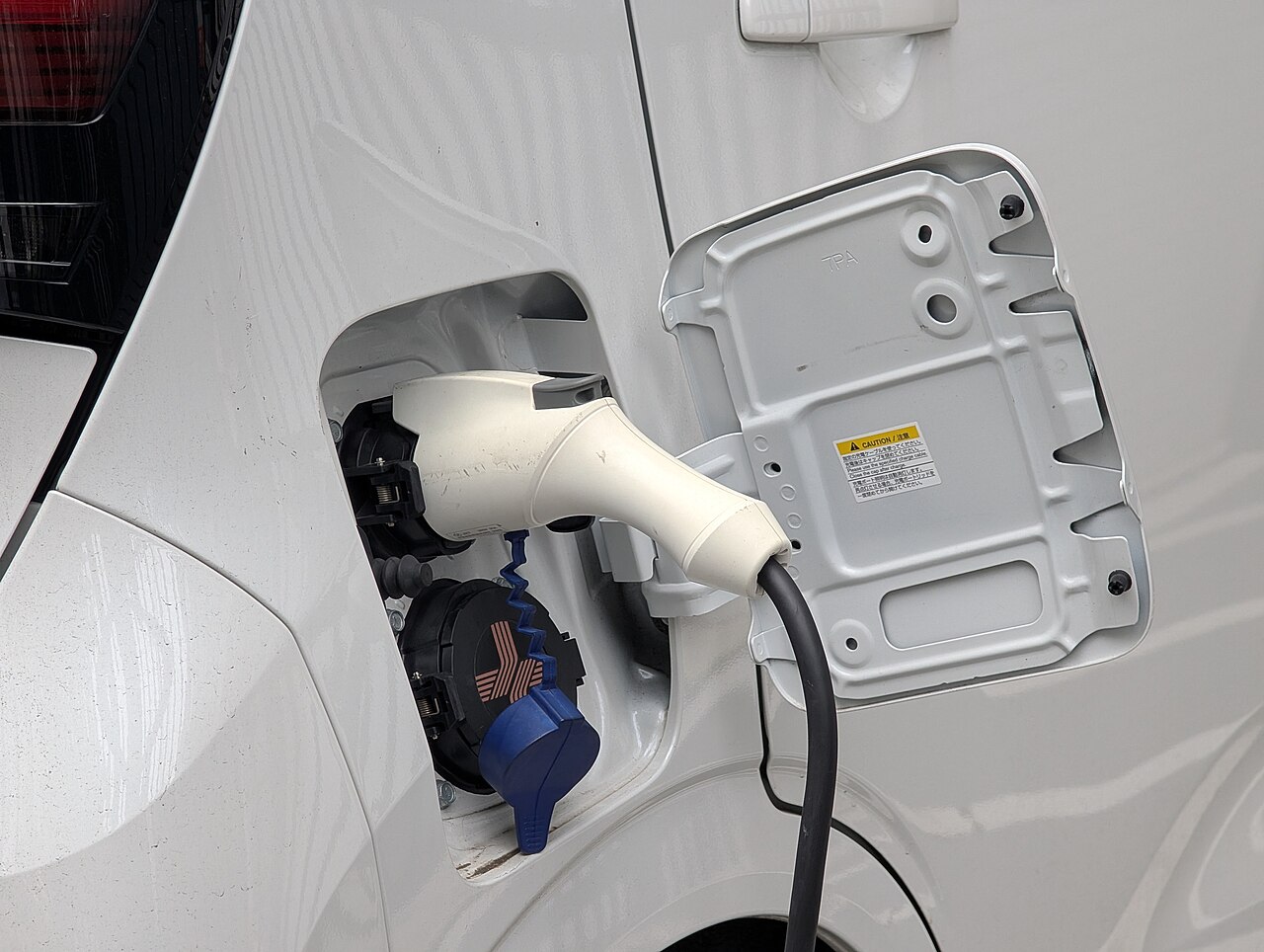
An electric car gives you plenty of warning before the battery dies, and if it does run out, the fix is usually a flatbed tow or a roadside charge. Here is what to do at each stage.
In brief
- Electric cars warn you repeatedly as charge drops, and many enter a reduced-power turtle mode somewhere between 10 percent and 1 percent to help you reach a charger.
- Only the small 12-volt battery can be jump-started; the high-voltage pack cannot, and jump-starting an EV yourself can void the warranty or affect insurance.
- Most EVs must be towed on a flatbed, because towing with the drive wheels turning can make the motor generate electricity and damage the drivetrain.
- Draining the battery to zero harms battery health, can kill the 12-volt battery and makes recharging slow, so aim to stay above 15 to 20 percent.
- Running out of charge is rare; plan stops with a buffer, charge more often in cold weather and watch the range estimate on hills and at highway speed.
Running out of charge in an electric car is rare, but it is worth knowing exactly what to do if it happens. An all-electric car has no backup fuel, so the options come down to conserving what is left, finding a charge or getting a tow. A plug-in hybrid has an easier out, because it automatically switches to its gasoline engine when the battery is nearly depleted. This guide walks through what the car does as the battery empties, what to do at each stage, and how to keep it from happening again.
How an EV Warns You Before It Dies
An electric car rarely surprises its driver. The dashboard shows a battery gauge and a range estimate, and as the remaining range dips below a certain level, the warnings become more noticeable and more frequent.
If the warnings are somehow missed, most electric cars have a built-in safety net often called turtle mode or tortoise mode. The car cuts power and limits speed, restricting battery output so the driver can pull over safely or creep slowly to a nearby charger. Depending on the manufacturer, it activates somewhere between 10 percent and 1 percent of charge.
That safety net is not a plan, though. The general recommendation is to keep the charge above roughly 15 to 20 percent. Running the pack down to empty is hard on the battery itself, and it leaves no margin for a cold morning, a detour or a charger that turns out to be out of order when you arrive.
What Happens at Zero Percent
When the main battery reaches zero, the car does not stop dead in its tracks. Power tapers off gradually, and the car eventually comes to a controlled stop, with safety systems in place to help you pull over.
A dead main battery causes a second problem that surprises many owners. Electric cars carry a small 12-volt battery, much like a gasoline car, and it runs the lights, locks, hazard flashers and the systems that wake the car up. The 12-volt battery usually still works after the main battery runs low, but if the main pack sits at zero for an extended period, the 12-volt battery can die too. At that point the car may not start, may not accept a charge, and may need a replacement 12-volt battery. Recharging a car from zero percent is also a lengthy process.
The outcome depends on what you drive. An all-electric vehicle runs solely on its battery, so an empty battery means a car that will not move. A plug-in hybrid keeps going on gasoline, because it switches from the electric motor to its engine once the battery is nearly empty.
The good news is that this situation is uncommon. Both electric and gasoline cars give plenty of warning before they run dry, and letting an EV hit zero is about as rare as running a gasoline car out of fuel.
First Steps: Stay Safe and Conserve What’s Left
If the range estimate is falling faster than expected, work through these steps in order:
-
Get somewhere safe. Pull as far off the road as you can onto a flat spot away from traffic, turn on the hazard lights, set the parking brake and turn the wheels away from the road. Note where you are using mile markers, exit numbers or nearby towns so you can tell rescuers exactly where to come.
-
Head for the nearest charger if you can still move. Use the car’s navigation to find the closest option, even a slow one. Any charge helps.
-
Cut energy use. Slow down, turn the cabin heat or air conditioning down, and use seat heaters instead of heating the whole cabin if your car has them. Turn on eco mode if the car offers one.
-
If the car stops, stay put and call for help. Keep the hazard lights on, stay in a safe position away from traffic, and wait for assistance rather than attempting anything with the high-voltage system.
Can You Jump-Start an Electric Car?
Maybe, but only part of it. An electric car has two batteries. The big traction pack that drives the motor is a high-voltage system, typically 400 to 1,000 volts, and it should never be jump-started or opened by anyone other than a qualified technician. The small 12-volt battery that runs the lights, locks and accessories, on the other hand, can be jump-started much like a conventional car’s battery.
Jump-starting the 12-volt battery makes sense when the car will not turn on at all. The most common cause is the main battery pack being left at zero percent over an extended period, which eventually drains the 12-volt battery as well. A trickle charger connected to the 12-volt battery is another way to restore enough power to get the car started so the main battery can be recharged.
A few cautions apply before you connect any cables:
- Manufacturers generally advise against jump-starting an electric car with another electric car, or using an EV to jump-start a gasoline car. Doing so risks damage to the batteries, software and other components.
- Some electric cars use a small lithium-ion battery in place of the standard 12-volt lead-acid type, so check the owner’s manual before connecting anything.
- Attempting a jump-start yourself could void the warranty or cause your insurance to be cancelled. Check your policy first, and let a professional handle it if you have roadside coverage.
Roadside Assistance and Towing for EVs
When the car cannot move under its own power, call your roadside assistance provider or your insurance company, and say clearly that the vehicle is electric so they send the right truck and crew.
Towing is where electric cars differ most from gasoline ones. Many EVs cannot be towed the traditional way, with the drive wheels rolling on the road. The wheels are connected to the motor, and if the wheels spin while the car is being towed, even in neutral, the motor can generate electricity and cause major damage to other systems. A flatbed truck, which carries the car with all four wheels off the ground, is usually the safe choice.
Be careful: Before the tow truck arrives, look up the towing section of your owner’s manual and tell the operator what it says. Towing many electric cars with the drive wheels on the ground can generate electricity in the motor and damage the drivetrain, so a flatbed is often the only safe option.
Portable Chargers: What They Can and Cannot Do
Some roadside services can bring a mobile charge to a stranded EV in some areas, but coverage varies a lot by provider and region, so ask what your plan actually includes before you need it.
Even where mobile charging exists, it is not the equivalent of a can of gasoline. A roadside charge typically provides just enough energy to reach a nearby charger, not a full battery, and in most cases the practical fix is still a flatbed tow to the nearest working charger. Once the car is plugged in, charge enough to reach your destination with a buffer rather than setting off with a nearly empty pack again.
How to Avoid Running Out in the First Place
Avoiding the problem is mostly about building in margins:
- Keep a floor. Treat 15 to 20 percent as your practical minimum so the battery, the 12-volt system and your schedule all stay protected.
- Plan stops with a buffer. On longer trips, map charging stops before you leave and add slack for weather, hills and crowded chargers. Our guide to planning a road trip in an electric car covers the process step by step.
- Charge more often in cold weather. Cold temperatures eat into range, which is why the standard advice is to charge more often when the temperature drops and to keep a bigger buffer.
- Watch the estimate on hills and at highway speed. Sustained high speeds and climbing grades use more energy than around-town driving, so the range estimate can fall quickly on those stretches.
- Charge at home when you can. Starting every day with a full or nearly full battery is the simplest protection against running out. Our comparison of charging an electric car at home explains the options, from a standard outlet to a faster Level 2 setup.
Driving habits help too. Smooth acceleration and steady speeds stretch every charge, and the same principles in our guide to driving smarter and using less fuel apply to electric cars as well as gasoline ones.
If you are still weighing whether an electric car fits your household, our timeline for buying your first electric car lays out the decisions from budgeting through delivery. Between the dashboard warnings, turtle mode and a little planning margin, the chances of ever seeing a truly dead battery are small.
Reader questions
Can you jump-start an electric car?
Yes, but only the 12-volt auxiliary battery, never the high-voltage main pack. Check your warranty and roadside coverage first, and know that manufacturers generally advise against using an EV to jump-start another car.
What happens if an EV runs out of charge completely?
The car does not stop instantly; power tapers off and it comes to a controlled stop. A full depletion can also drain the 12-volt battery, leave the car unable to start or charge, and make recharging a lengthy process.
Can roadside assistance charge an EV on the spot?
Some services offer a mobile charge in some areas, but availability varies widely by provider and region. In most cases the fix is a flatbed tow to the nearest working charger.
How low should you let an EV battery get?
It is best not to drop below 15 to 20 percent. Running to empty wears the battery faster, can drain the 12-volt battery, and leaves no margin if a charger is busy or out of order.
This article is general information, not financial, legal or tax advice. Programs, incentives and rules change, so check current details with official sources and qualified professionals before you decide.