
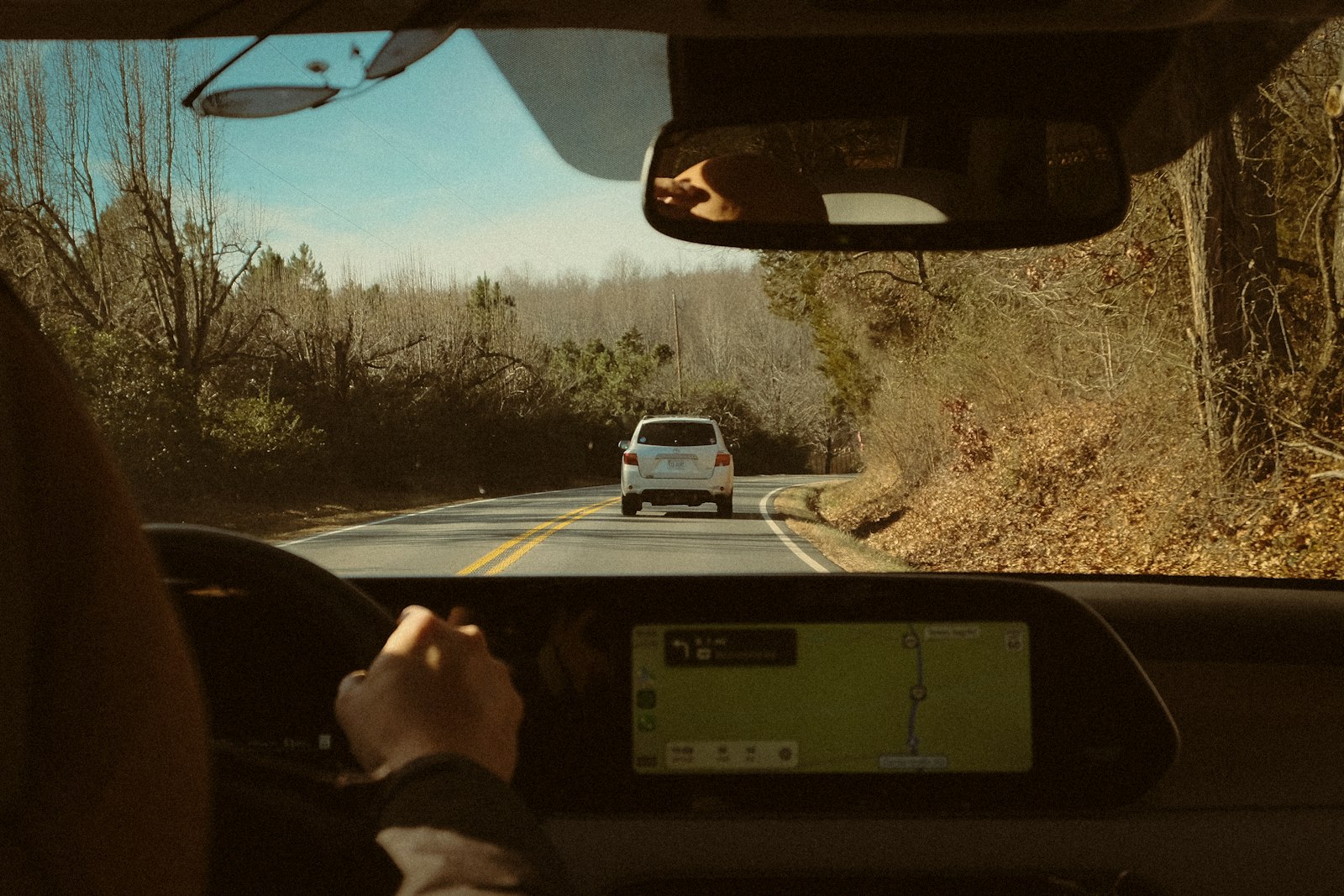
How you drive matters almost as much as what you drive. Small habits add up at the pump and in tailpipe emissions.
In brief
- Aggressive driving can lower gas mileage by roughly 15% to 30% at highway speeds and 10% to 40% in stop-and-go traffic, according to fueleconomy.gov.
- Gas mileage usually drops rapidly above 50 mph; slowing down by 5 to 10 mph can improve fuel economy by 7% to 14%.
- Idling can burn a quarter to a half gallon of fuel per hour, depending on engine size and air conditioner use.
- An extra 100 pounds can cut mileage by about 1%, and a large roof-top cargo box by 10% to 25% at Interstate speeds.
- Cruise control on the highway helps hold a steady speed and, in most cases, saves gas.
Fuel-efficient driving isn’t about creeping along. It’s mostly about smoothness: fewer hard starts and stops, sensible speeds and not carrying around things you don’t need. The figures below come from fueleconomy.gov, the official U.S. government source for fuel economy information, run by the Department of Energy and EPA.
Drive smoothly
Speeding, rapid acceleration and hard braking waste fuel. fueleconomy.gov estimates that aggressive driving can lower gas mileage by roughly 15% to 30% at highway speeds and 10% to 40% in stop-and-go traffic.
- Accelerate gently from a stop.
- Look well ahead so you can ease off early instead of braking hard.
- Leave a bigger gap to the car in front, which gives you room to coast.
Watch your speed
Every vehicle reaches its best mileage at a different speed, but fueleconomy.gov notes that gas mileage usually decreases rapidly at speeds above 50 mph. Slowing down by 5 to 10 mph can improve fuel economy by 7% to 14%.
On the highway, cruise control helps you maintain a constant speed and, in most cases, saves gas.
Don’t idle
Idling can use a quarter to a half gallon of fuel per hour, depending on engine size and air conditioner use. If you’re parked and waiting, turning the engine off saves fuel. Modern engines don’t need a long warm-up; driving gently for the first few minutes warms them faster.
Lighten the load and reduce drag
| What you’re carrying | Estimated effect on fuel economy |
|---|---|
| An extra 100 pounds inside the vehicle | About 1% lower MPG, more in smaller vehicles |
| A large roof-top cargo box, city driving | About 2% to 8% lower |
| A large roof-top cargo box, highway driving | About 6% to 17% lower |
| A large roof-top cargo box at Interstate speeds (65 to 75 mph) | About 10% to 25% lower |
Clear out heavy items you don’t need, and take roof boxes and racks off when the trip is over.
Try this: Combine errands into one trip when you can. Planning the week’s meals and shopping once, as in our guide to wasting less food, also cuts down on short drives.
Keep the car in shape
- Tires: inflate them to the pressure on the placard in the driver’s door jamb or in the owner’s manual, and check it monthly when the tires are cold.
- Maintenance: follow the service schedule in your owner’s manual, and use the grade of motor oil it recommends.
- Warning lights: get engine and emissions warnings checked promptly.
Thinking about going electric?
Smooth driving helps electric vehicles too, by stretching range. If you’re considering an EV, our guide to charging at home explains Level 1 and Level 2 charging and what an installation involves.
Reader questions
Is it better to idle or turn the engine off?
Idling burns fuel while getting you nowhere: a quarter to a half gallon per hour, according to fueleconomy.gov. Turning the engine off when you’re parked and waiting saves fuel.
Do roof boxes really matter?
Yes, especially at speed. fueleconomy.gov estimates that a large, non-streamlined roof-top cargo box can reduce fuel economy by about 6% to 17% on the highway and 10% to 25% at Interstate speeds. Remove it when you don’t need it.
Does extra weight make a difference?
fueleconomy.gov estimates that an extra 100 pounds can reduce MPG by about 1%, with a bigger effect on smaller vehicles.
What tire pressure should I use?
Use the pressure on the placard inside your driver’s door jamb or in your owner’s manual, not the maximum printed on the tire. Check it when the tires are cold.
This article is general information, not financial, legal or tax advice. Programs, incentives and rules change, so check current details with official sources and qualified professionals before you decide.