
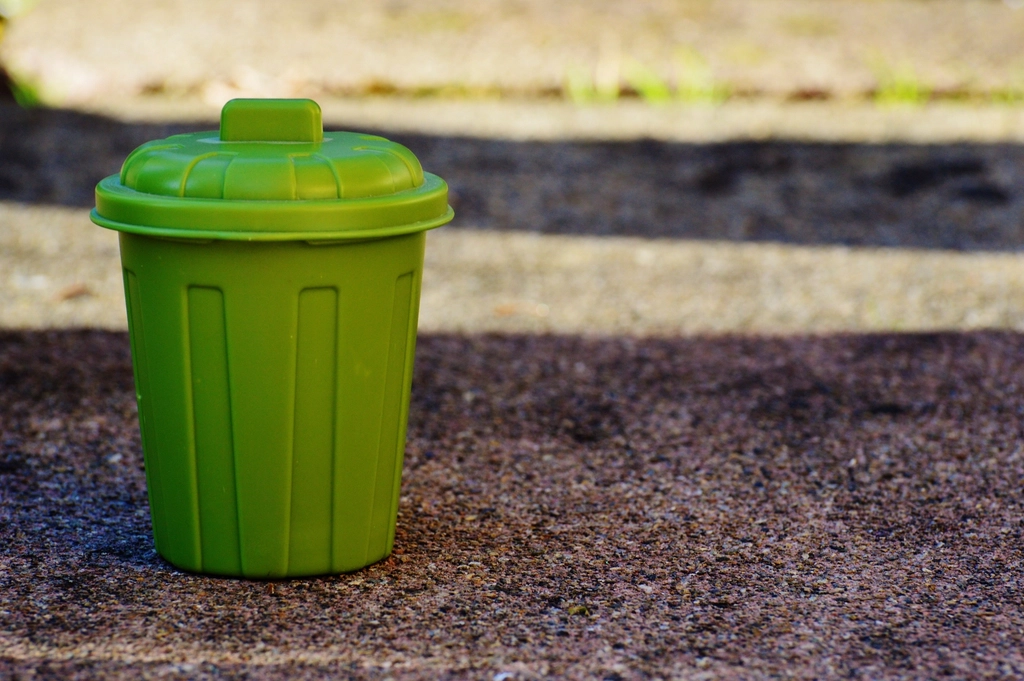
A kitchen compost bin doesn’t turn scraps into soil, but the right one makes the habit easy. Here’s how to compare styles, sizes, filters and materials before you buy.
In brief
- A kitchen compost bin only stores scraps until you empty them into a pile, a curbside program or a drop-off site; the composting happens elsewhere.
- Odor comes mainly from moisture, so a bin you empty often matters more than a tight lid or a thick filter.
- Charcoal filters adsorb odorous compounds and typically need replacing every three to six months, following the manufacturer’s guidance.
- A bin that opens with one hand, carries easily and washes quickly is more likely to become a lasting habit.
- Simple countertop crocks often cost around $30, while electric countertop machines can run several hundred dollars, and many of those dry and grind food rather than producing finished compost.
A kitchen compost bin is one of the smallest purchases in sustainable living, and one of the easiest to get wrong. Buy a bin that’s awkward, smelly or hard to clean, and it tends to migrate under the sink within a month. This guide explains what actually matters: where the bin will live, how big it should be, how odor control works and which materials hold up.
Why a Kitchen Compost Bin Makes Scraps Easier to Deal With
First, a clear expectation: a countertop bin stores scraps. It doesn’t compost them. The bin is a holding station between the cutting board and wherever the material goes next, whether that’s a backyard pile, a curbside program or a community drop-off.
Real composting is the managed, oxygen-dependent breakdown of organic material by microorganisms, and it needs the right balance of carbon-rich “browns” and nitrogen-rich “greens,” roughly three parts browns to one part greens by volume. None of that happens in a lidded caddy on the counter. What the bin does is make the habit realistic. Instead of running outside after every meal, you collect peels, coffee grounds and eggshells for a few days and take them out in one trip.
The payoff is real. Diverting food scraps keeps organic material out of landfills, where food generates methane, and finished compost helps soil absorb and hold water and stores carbon in the ground. If your larger goal is throwing less away in the first place, our guide on wasting less food at home pairs well with this one.
Countertop, Hanging or Under-Sink: Picking the Right Style
| Style | Works well when | Trade-offs |
|---|---|---|
| Countertop crock | You cook daily and want scraps in sight | Takes counter space; needs frequent emptying |
| Hanging (cabinet-door) bin | Counter space is tight | Mounting hardware needed; awkward to carry outside |
| Under-sink bin or pail | You empty often and dislike visible waste | Out of sight, easy to forget; no filter airflow |
Whatever the style, three details matter more than looks: a lid you can open with one hand while holding scraps in the other, a handle or bucket that carries easily to the pile or curb, and an interior that washes up fast. If the lid sticks or the bucket is fiddly, the routine tends to collapse.
One caution about the broader category. Electric countertop machines are marketed as composters, but many models essentially grind and dry food waste into a shrunken material that isn’t finished compost and still needs further decomposition before it benefits soil. A $30 crock and a $500 machine solve completely different problems, and households that already have a pile or a pickup program usually need only the collector.
Size: Match the Bin to Your Emptying Routine
The right capacity depends less on household size than on how often you’ll actually empty the bin. If you take scraps out every couple of days, a small caddy is fine and encourages frequent trips. If your schedule means weekly trips, a larger bin helps, but only up to a point: wet scraps stored a week or more commonly develop odor, even though some people get by longer with vented lids and mostly dry scraps like coffee grounds and eggshells.
A useful benchmark comes from composters who skip filters altogether. Their reasoning is simple: empty the container often enough and the material never sits long enough to smell. If that frequency doesn’t fit your week, cold storage is the fallback. Keeping a bag of scraps in the freezer halts the breakdown that causes smell and fruit flies, and many households use the freezer as an overflow or a mid-week stopgap.
Odor Control: Lids, Charcoal Filters and Moisture
Here’s the honest physics of a stinky caddy. Food scraps are mostly water, and in a sealed, warm, low-airflow container they start breaking down without oxygen within hours, producing the sour, rotten-egg smells people notice. Carbon filters don’t fix that; they adsorb the odorous compounds as air passes through, which reduces smells that would otherwise reach the kitchen.
Practical guidance on filters:
- Choose a bin whose manufacturer sells matching replacement filters, or trim an oversized filter to fit; standard filters cut easily with scissors.
- Plan on replacing the filter every three to six months depending on use, or sooner when it stops trapping odors. Follow the manufacturer’s recommendation for your model.
- Ventilation plus frequent emptying beats airtight sealing. Sealing wet scraps in tighter doesn’t remove moisture; it just holds it in.
If a filter gets damp and musty, replacing it early is cheaper than abandoning the habit.
Try this: Keep a spare filter on hand when you buy the bin. Replacements can be hard to find locally, and a saturated filter is the point where many people give up on counter composting.
Liners, Bags and Materials
Liners keep the bucket cleaner, but check what your destination accepts before buying a big box of them. Rules vary by program, so ask your hauler or drop-off site rather than trusting the packaging claim.
On materials, each has a trade-off:
- Stainless steel is durable, resists stains and odors, and many models have dishwasher-safe removable inner buckets.
- Ceramic looks good on the counter and cleans easily but is heavier and can chip or break.
- Plastic is light and inexpensive, though it can absorb odors and stains over years of use.
- Bamboo offers a natural look, but wood-based lids need to stay dry to avoid warping.
Cleaning and Care Tips
Routine care is simple. Empty the bin every two to three days if you can, rinse the bucket with hot water each time you empty it, and let it dry before refilling. A dishwasher-safe inner bucket makes periodic deep cleaning easy. Wipe the lid and filter housing, since residue there attracts fruit flies, and replace the charcoal filter when smells start to leak through. If you use liners, remove them fully and check the corners of the bucket for trapped liquid.
For what happens after the kitchen, our guide to home composting basics covers starting a backyard pile, and how to recycle right explains what belongs in the bin that isn’t food.
Reader questions
Do countertop compost bins smell?
Most will if scraps sit long enough. Food scraps are mostly water, and in a sealed, warm container they begin breaking down without oxygen, which produces sour and rotten-egg odors. Emptying the bin every couple of days does more than any lid.
How often should I replace the charcoal filter?
Manufacturers typically recommend every few months, and many users replace filters every three to six months depending on use. When a filter no longer traps smells, swap it out. Oversized filters can often be trimmed to fit with scissors.
Can I just keep scraps in the freezer instead?
Yes. Freezing scraps is a well-known alternative to a countertop bin because cold storage halts the breakdown that causes odors. Some households use both: a small bin on the counter, emptied to the freezer during the week.
What should never go in a kitchen scrap bin?
That depends on where the scraps go next. The EPA recommends keeping meat, dairy and greasy foods out of standard backyard compost piles because they attract pests and cause odors, but some municipal and drop-off programs accept them. Check the rules where you live.
This article is general information, not financial, legal or tax advice. Programs, incentives and rules change, so check current details with official sources and qualified professionals before you decide.