
Cooler water, gentler cycles and early mending can add years to the clothes you own while trimming utility bills. This step-by-step routine covers sorting, washing, drying, storage and simple repairs.
In brief
- About 90% of the energy a washing machine uses goes to heating water, so washing in cold water is the biggest energy saver in the laundry room.
- Hot water damages fibers, makes clothes wear out faster and sheds more microfiber particles, while cold water keeps colors bright and protects delicates.
- Sort by color, fabric type and care instructions, and treat stains before washing; keep heavily soiled items away from lightly soiled ones.
- Clean the lint trap every load and use sensor settings to stop the dryer when clothes are dry, since over-drying wears clothes out faster.
- Mend small damage early; a loose button is a quick fix when caught and a bigger job once it falls off or a seam tears further.
Most clothing does not fall apart from daily wear. It fades, shrinks and stretches in the wash, which means how you care for clothes matters as much as what you buy. This routine covers sorting, washing, drying, storage and simple mending, and it takes only a few extra minutes per load.
Why Clothing Care Cuts Both Waste and Cost
The laundry room is one of the hungrier rooms in the house. It can use more than 1,000 kilowatt-hours of electricity a year, and the average American family washes about 300 loads of laundry annually. Around 90% of the energy a washing machine uses goes to heating water, so water temperature is the biggest lever you control.
Hot water is also hard on fabric. It damages fibers, makes clothes wear out faster and sheds more microfiber particles, while cold water keeps colors bright and helps keep stains from setting. Washing in cooler water and drying more gently does double duty: fewer resources per load, and fewer replacement purchases down the road.
Step 1: Sort and Pretreat Before You Wash
Sorting is the cheapest insurance in laundry. Before anything goes in the drum:
- Check care labels and pull out anything with special instructions.
- Separate whites, pastels and medium colors, and brights and darks. Light-colored synthetics can pick up dyes from other fabrics.
- Keep heavily soiled items away from lightly soiled ones. Lightly soiled clothes absorb soil from the wash water, which is how whites gray and colors dull over time.
- Mix small and large items so clothes move freely and wash evenly.
Treat stains before washing by applying a stain remover or a little detergent directly to spots. A common mistake is stuffing the machine too full; water needs room to circulate, and overloaded loads come out less clean and more wrinkled.
Step 2: Choose Cooler Water and Gentler Cycles
Make cold water your default. Check the care label and never wash hotter than it allows, but it is generally fine to go cooler. Cold water protects delicate fabrics like rayon, wool and silk from shrinking, and it keeps dark colors from bleeding onto lighter pieces.
A few exceptions and adjustments:
- Some stubborn stains on sturdy fabrics may need hot water to wash out fully, so use the hottest temperature the care label allows in those cases.
- Powder detergents can dissolve poorly in cold water, so use liquid detergent for cold loads. Many detergents are formulated for cold water anyway.
- Pick the gentle cycle for delicates and the shortest cycle that does the job.
If a load comes out dingy, do not blame cold water alone. Insufficient detergent or sorting mistakes cause many poor results, so check those before raising the temperature.
Step 3: Skip the Dryer When You Can
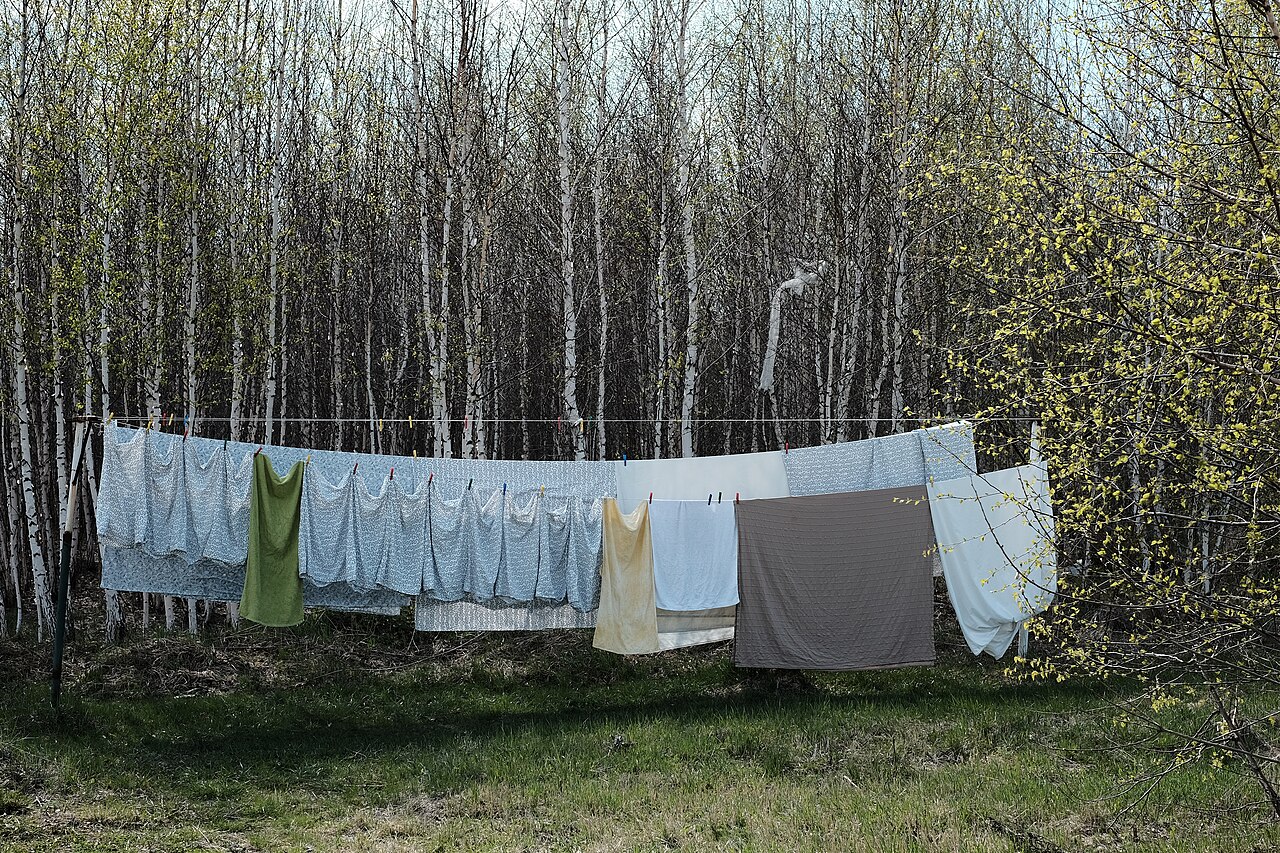
Air drying is the gentlest choice and helps colors stay bright. When you do use a dryer, and about 80% of American homes have one, small habits reduce wear:
- Clean the lint trap before every load so the machine runs efficiently.
- Run full loads back to back to cut warm-up and drying time.
- Stop when dry. Sensor settings that end the cycle automatically prevent the extra wear from over-drying.
- Do not dry single items. A lone towel costs about as much to dry as a full load, and small loads tumble poorly.
When it is time to replace machines, efficiency pays. ENERGY STAR certified washers use about 20% less energy and 30% less water than regular models and can save about $530 in energy costs over the washer’s lifetime, and heat pump dryers use around 70% less energy than conventional dryers.
Try this: Washing less often is the gentlest option of all. Clothes worn briefly, like a sweater over a shirt, often just need an airing out before they go back in the closet.
Step 4: Store Clothes So They Keep Their Shape
What happens between wears affects lifespan as much as the wash. Fold heavy knits such as sweaters rather than hanging them, because hanging stretches the shoulders over time. Hang woven shirts, dresses and structured pieces on hangers that support the shoulders instead of thin wires that can distort them.
Make sure clothes are clean and completely dry before storing them for a season. Empty pockets, fasten what needs fastening, and give the closet some breathing room, since jammed hangers wrinkle clothes and crush fibers.
Step 5: Mend Small Damage Early
A loose button or a small seam tear is a quick fix when caught early and a bigger job once it grows. Check clothes for damage when you fold laundry, which is when you notice small tears, loose threads and thinning fabric. Sew buttons back on before they fall off, close small seams, and patch holes before they spread. If you do not sew, iron-on patches handle some repairs, and a local tailor can handle the rest.
When Repairs Are Worth Paying For
Not every garment justifies a paid repair. Compare the repair cost with the price of a decent replacement, and consider how much wear the item has left. Paying a tailor makes sense for well-made coats, suits and denim, or anything that fits you especially well, since replacing it means finding that fit again. Letting go of cheap, heavily worn items and replacing them secondhand is often the lighter footprint choice; our guide to buying used clothing covers how to spot quality.
Eventually some clothes leave the house for good, and disposal matters. Our guide to recycling right explains how to sort worn-out items without contaminating the rest of the bin, and if you want to stretch your household budget further, cold-water laundry pairs well with our water-saving tips.
Reader questions
Does cold water actually clean clothes?
Yes, for most loads. Many modern detergents are formulated for cold water, though oily stains on sturdy fabrics may need hot water to wash out completely.
Is it okay to wash everything in cold water?
Check the care label first and never wash hotter than it allows, but going cooler is generally fine. Use liquid detergent for cold loads, since some powders dissolve poorly in cooler temperatures.
How can I dry clothes with less damage?
Air dry when you can. If you use a dryer, clean the lint trap each load, run full loads back to back, and use a sensor setting that stops the cycle when clothes are dry.
When should I pay for a repair instead of replacing?
Paid repairs make the most sense for well-made coats, suits and denim, or items that fit you especially well. For cheap, heavily worn items, replacing them with used clothing is often the better choice.
This article is general information, not financial, legal or tax advice. Programs, incentives and rules change, so check current details with official sources and qualified professionals before you decide.