
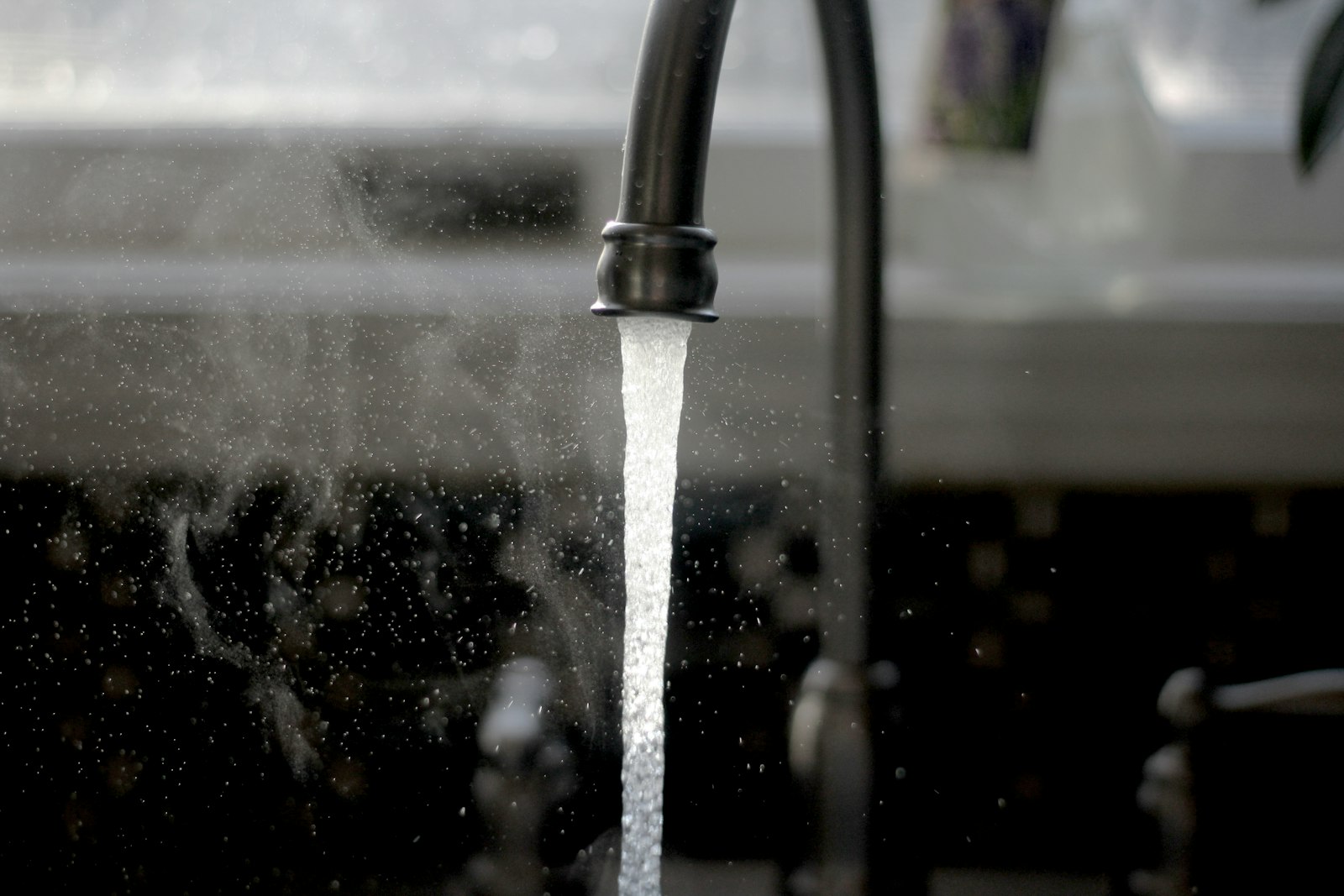
Leaks and outdoor watering account for a big share of household water use. Both are easy places to start saving.
In brief
- EPA WaterSense estimates that leaks waste about 9,400 gallons of water a year in the average family’s home.
- A few drops of food coloring in the toilet tank will reveal a silent toilet leak.
- WaterSense-labeled products are about 20 percent more water-efficient than conventional models, EPA says.
- Outdoor watering accounts for more than 30 percent of household water use on average, and up to 60 percent in arid regions.
- Saving hot water saves energy too, because heating water takes power.
Water feels endless when it comes out of the tap, but treating and pumping it takes energy, and many parts of the country face shortages. According to EPA’s WaterSense program, each American uses an average of 82 gallons of water a day at home, based on a 2015 U.S. Geological Survey estimate. Much of that can be trimmed without any sacrifice.
Hunt down leaks
Leaks are the easiest savings in the house, because the water does nothing useful. EPA WaterSense estimates that:
- Household leaks in the average family’s home waste about 180 gallons a week, or 9,400 gallons a year.
- Across the country, leaks waste nearly 900 billion gallons of water a year.
Where to look:
- Toilets. Put a few drops of food coloring in the tank and wait about 10 minutes without flushing. Color in the bowl means a leak, often from a worn flapper.
- Faucets and showerheads. A steady drip usually points to a worn washer or gasket.
- Outdoor hoses and irrigation. Check hose connections and look for soggy patches or broken sprinkler heads.
- The water meter. Take a reading, use no water for a couple of hours, then read it again. Any change suggests a hidden leak.
Try this: Fix a dripping hot water tap first. It wastes the energy used to heat the water as well as the water itself.
Upgrade fixtures when it’s time
When a toilet, showerhead or faucet needs replacing anyway, look for the WaterSense label. EPA says WaterSense-labeled products are about 20 percent more water-efficient than conventional models, and they’re tested to make sure they still perform well.
Outdoors, EPA estimates that replacing a standard clock-based irrigation controller with a WaterSense-labeled controller, which adjusts watering to the weather or soil moisture, can cut an average home’s irrigation water use by up to 30 percent.
Everyday habits indoors
- Run the dishwasher and washing machine with full loads.
- Turn off the tap while brushing your teeth or scrubbing dishes.
- Keep a jug of drinking water in the fridge instead of running the tap until it’s cold.
- Take shorter showers. Every minute saved also saves hot water.
Water the yard wisely
EPA says outdoor water use accounts for more than 30 percent of total household water use on average, and as much as 60 percent in arid regions. A lot of that is lost to evaporation, runoff or overwatering.
- Water only when plants need it, and water early or late in the day when it’s cooler.
- Aim sprinklers at plants, not driveways and sidewalks.
- Add mulch around plants to hold moisture in the soil.
- Choose plants suited to your local climate, which usually need less watering once established.
Hot water is energy, too
Every gallon of hot water you don’t use is energy you don’t pay to heat. If your water heater needs replacing, heat pump water heaters are worth comparing; our guide to heat pumps explains how the technology works. In the kitchen, the habits in our guide to wasting less food save the water that went into growing what you buy.
Reader questions
How do I check for a toilet leak?
Put a few drops of food coloring in the tank and wait about 10 minutes without flushing. If color appears in the bowl, the tank is leaking, often because of a worn flapper, which is an inexpensive part to replace.
How can I tell if there’s a hidden leak?
Read your water meter, avoid using any water for a couple of hours, then read it again. If the reading has changed, water is going somewhere. An unexpectedly high bill can be another clue.
What does the WaterSense label mean?
It’s an EPA program label for products such as toilets, showerheads, bathroom faucets and irrigation controllers that meet EPA’s criteria for water efficiency and performance.
Do I have to replace fixtures to save water?
No. Fixing leaks, running full loads in the dishwasher and washing machine, and watering the yard only when it needs it all save water without new equipment. Replacement makes most sense when a fixture is worn out anyway.
This article is general information, not financial, legal or tax advice. Programs, incentives and rules change, so check current details with official sources and qualified professionals before you decide.