
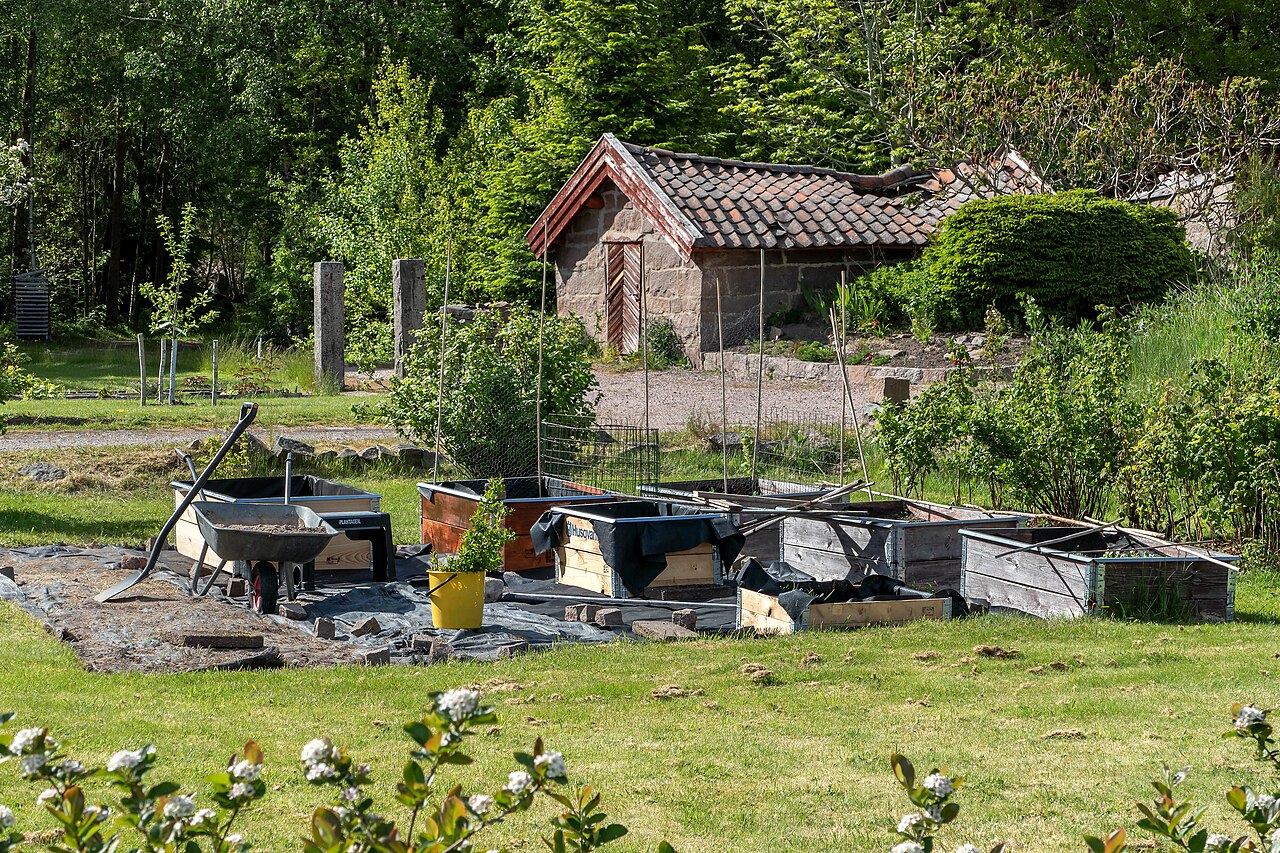
The frame gets the attention, but soil, water and upkeep shape the real bill. Here is how raised bed costs break down, and where you can save.
In brief
- Filling a raised bed is one of the biggest expenses, especially when building large beds.
- A 3 by 6 foot bed with 10-inch sides needs about 15 cubic feet of soil to fill.
- Wood frames typically need replacing every 10 to 15 years, while composite can last decades with no upkeep.
- Loosening the native soil under a bed adds root depth without buying more soil.
- Beds built above ground need more frequent watering in hot weather, so water is a real ongoing cost.
Raised beds solve real problems: poor drainage, compacted or contaminated soil, and yards with little usable garden space. They are also one of the pricier ways to grow food, and the frame is only part of the bill. Filling a large bed can cost as much as building it, and water and amendments keep adding to the total after planting day. Here is where the money actually goes.
Check Whether You Need One
Before spending anything, make sure a raised bed is the right tool. If your soil is well drained, plants will grow fine on flat ground. One way to check: carve out a small test hole about half a foot deep, pour water into it repeatedly until the ground stays soaked, then refill it once more and start a timer. If the water still has not drained away after 10 hours, drainage is poor enough that a raised bed is probably worth building.
If the ground passes, in-ground gardening costs far less; our breakdown of the real cost of starting a vegetable garden covers that route.
Bed Materials Compared
Simple rectangular designs are the cheapest to build, and the material decides your upfront price and how often you pay it again.
| Material | What drives the cost | Lifespan and upkeep |
|---|---|---|
| Cedar | Premium rot-resistant wood, priced above common lumber | Fades to silver-grey untreated in 2 to 3 years; biodegradable at end of life |
| Pressure-treated lumber | Widely available, cost-effective wood | Newer treatments are less toxic than older chemicals; wood beds generally need replacing every 10 to 15 years |
| Composite | Higher upfront than some wood kits | Resists rot and weather for decades with no upkeep |
| Concrete blocks or bricks | Often cheap, especially salvaged | Stable, but may leach lime and shift soil pH |
Two cautions apply to any frame: never use railroad ties, which are treated with creosote, and expect salvaged materials to add construction work.
Filling the Bed: The Biggest Line Item
Soil is often the biggest single expense, and it scales with volume. A 3 by 6 foot bed with 10-inch sides needs about 15 cubic feet of blended soil. One recommended recipe: 9 cubic feet of topsoil, 4.5 cubic feet of compost and 1.5 cubic feet of soilless potting mix. Without access to quality topsoil, an even mix of soilless growing medium and compost works instead. If you add peat moss, keep it under 20 percent of the total mix.
Compost guidance varies: Clemson Extension suggests 10 to 20 percent of total fill volume, while Utah State suggests amending native topsoil with 30 to 50 percent well-composted organic matter. Making your own compost covers part of this cheaply, and our guide to home composting basics shows how to start.
Try this: If you are growing food, ask a soil testing lab to check for lead before you buy soil and amendments. A background level of 10 to 50 ppm is typical, and vegetables should not be planted where total lead exceeds 400 ppm.
Bulk buying helps. Bagged soil comes in fixed sizes measured in cubic feet, while bulk suppliers sell by the cubic yard. Calculate your volume, then round up to the next quantity your supplier offers to avoid a second delivery fee. Organic mixes also decompose and settle, so expect to top up the bed over the first two to three growing seasons.
Size the Bed to Your Budget
Bed volume is length times width times height, so every extra inch of height multiplies the soil bill. Beds are commonly built 6 to 12 inches tall, which is plenty for most crops. Keep the width at 4 feet or less so you can reach the middle from either side, or 2 feet if it is accessible from only one side. Then loosen the native soil beneath with a garden fork to a depth of 6 to 10 inches before filling. That extra depth lets a short bed support deep-rooted crops without buying more soil.
Ongoing Costs
Water shows up later, on the utility statement rather than the garden store receipt. Because bed soil sits above ground and warms quickly in the sun, moisture evaporates sooner, so beds often need watering more often through hot weather. Drip irrigation suits beds well and wastes little. How much this adds to the bill varies with local water rates, summer heat and how often you irrigate. The tips in our guide to saving water at home apply here too.
Amendments are smaller but recurring. Add compost or mulch at the end of each season to protect the soil over winter, and test the soil every 1 to 2 years to track pH and nutrients before buying fertilizer you may not need. Replacement is the long-term cost: wood frames generally need rebuilding every 10 to 15 years, while composite can go decades without upkeep.
Three Budgets, Three Backyards
The no-frame budget: if your drainage is acceptable, mound soil into unlined raised beds, which need no structural materials at all. Almost all your spending goes to compost, amendments and seeds.
The standard budget: one 3 by 6 foot cedar or pressure-treated bed, 6 to 10 inches tall, set on loosened ground and filled with a topsoil-and-compost blend plus a drip line.
The long-haul budget: a composite bed sized to your space, filled by a bulk cubic-yard delivery. The highest upfront total, but no staining, sealing or rebuilding for decades.
Cheaper Ways In
Commercial kits save measuring and cutting, but salvage can cut costs further. Rocks, concrete blocks and bricks all make stable beds, and other salvaged materials can work with extra effort. Whatever you scrounge, avoid creosote-treated wood. If your soil test comes back clean and well drained, plain flat ground remains the cheapest garden of all. For how the whole first season compares, not just the bed, see our starter vegetable garden cost breakdown.
Reader questions
Is it cheaper to buy raised bed soil in bags or in bulk?
For more than one bed, buying by the cubic yard from a bulk supplier is usually the way to go, since soil comes in fixed bag sizes or bulk delivery increments. Round your estimate up to the next quantity your supplier sells.
Do I need a raised bed at all?
If your soil drains well, plants can grow successfully on flat ground. Try a simple percolation check: make a small hole in the ground, soak it thoroughly with repeated fillings of water, then refill it once more and clock how long the water takes to disappear. If drainage takes longer than 10 hours, a raised bed is probably necessary.
How often do I need to add soil to a raised bed?
Organic mixes settle as they decompose, so expect to top up the bed over the first two to three growing seasons. After that, a layer of compost each season keeps the level and fertility up.
Are cinder blocks a good cheap option?
Concrete blocks and bricks are stable, and salvaged or recycled materials can hold costs down. One trade-off: they may leach lime, which can affect your soil pH.
This article is general information, not financial, legal or tax advice. Programs, incentives and rules change, so check current details with official sources and qualified professionals before you decide.