
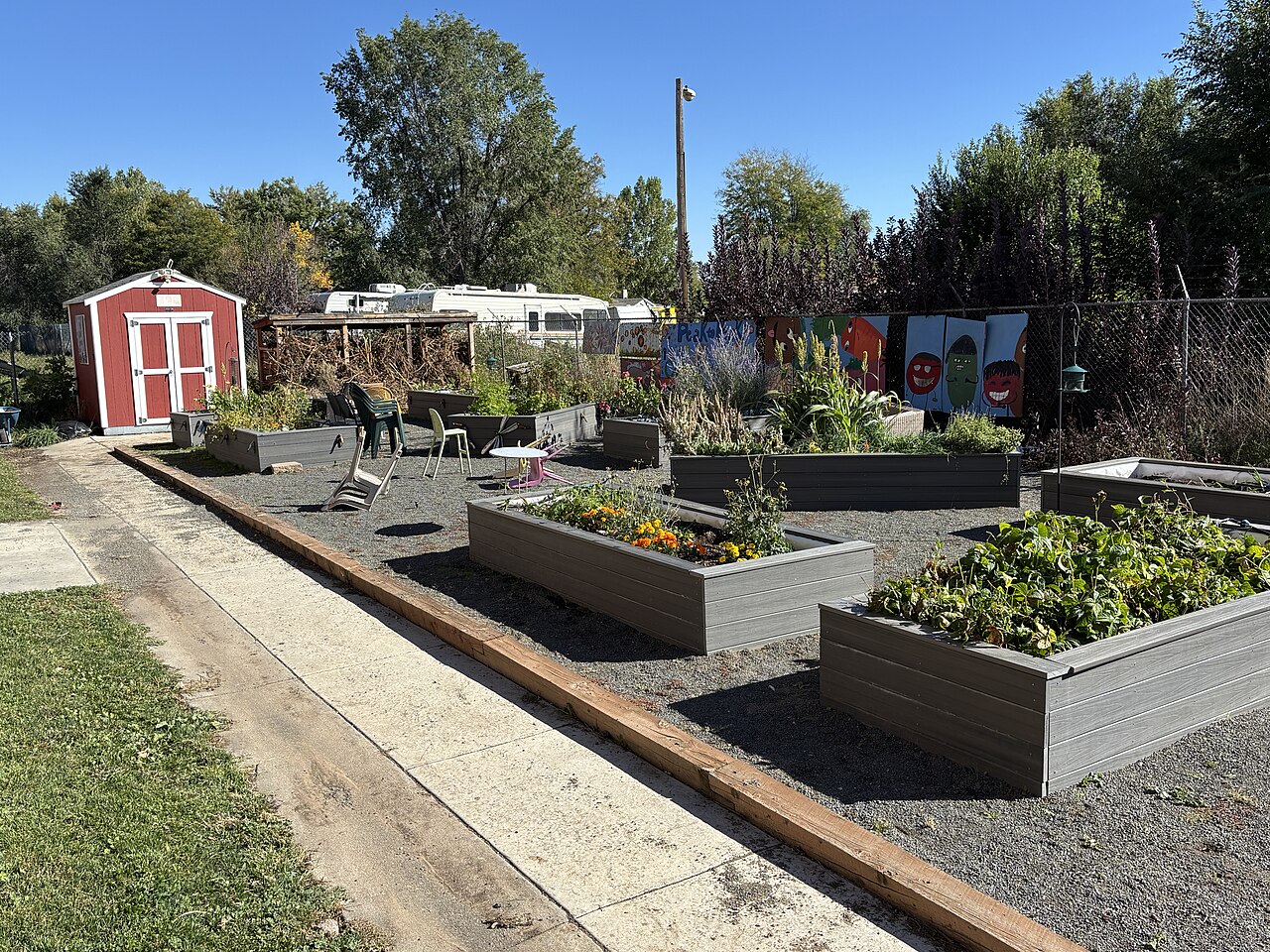
A first garden can cost a couple hundred dollars or much less, depending on how you set it up. Here is what each piece actually costs, and when the harvest catches up.
In brief
- A single 8 by 4 foot raised bed can run up to about $225 in the first year, with soil the single biggest expense.
- In-ground gardens cost far less to start but need good native soil and full sun to succeed.
- Seeds are cheaper than starter plants, but starts save time and suit slow-maturing crops.
- One detailed budget valued a season of harvests at about $391 against roughly $58 a year in depreciated setup costs.
- Raised beds dry out faster than native soil, so water use is a real, ongoing cost to plan for.
Growing your own vegetables is one of the few sustainability projects where the payoff shows up on a dinner plate. But startup costs range from a few seed packets to several hundred dollars for a framed bed filled with soil. Here is what a first-season garden actually costs, line by line.
Beds, Containers or In-Ground: The Upfront Costs
For this breakdown, a starter garden means one or two 4 by 8 foot raised beds, or a small in-ground plot of similar size, planted with dependable crops: tomatoes, peppers, zucchini and leafy greens.
In-ground gardening is the cheapest option: a traditional plot needs only tools for preparing the soil, some amendments, and a sunny spot with soil that drains well and is not contaminated. Raised beds cost more but solve real problems: poor drainage, rocky soil, compaction and limited space. A simple percolation test tells you whether you need one: dig a hole 6 to 10 inches deep, saturate it with water several times, fill it again and time the drainage. Longer than 10 hours means a raised bed is probably necessary. In urban areas, imported soil in a raised bed can also shield produce from lead in native soil.
| Item | Typical cost | Notes |
|---|---|---|
| Pine frame, 8 by 4 foot bed | About $80 | Lasts 3 to 5 years, roughly $27 a year |
| Cedar frame, same bed | About double the pine price | Lasts closer to 15 years |
| Soil to fill the bed | About $202 | 32 cubic feet at $6.40 per cubic foot |
| Compost | $9 per cubic foot | One detailed garden budget |
| Tomato cages | $3 each | Reusable for years |
| Seeds | About $3 per packet | Covers multiple plants of one crop |
One well-documented planning budget put a complete 8 by 4 foot raised bed at up to $225 depending on options. Keep it no wider than 4 feet so you can reach the center without stepping on the soil, and 6 to 12 inches tall is plenty for most crops.
Try this: Most stores that sell lumber cut boards to length for free, and it is sometimes cheaper to buy longer boards and have them cut for easier transport.
Soil, Compost and Fertilizer
Soil is the biggest single line item. At $6.40 per cubic foot, filling one bed runs about $202, before compost. Bulk soil and compost, sold by the cubic yard or ton, usually beat bagged prices, though bags are easier to move without a truck. Soil testing is recommended before you spend more; it shows what your mix actually needs.
Common amendments include compost, aged manure, peat moss and perlite; let a soil test guide which are worth buying. Compost also cuts your fertilizer bill over time, and making your own is nearly free once a pile is running. Our guide to home composting basics covers the setup. One cost comes later: raised bed soils settle and decompose, so plan to add soil periodically.
Seeds or Starter Plants
Seed packets run about $3 each, and seeds beat starts on price if you grow more than a few plants. They also offer a wider range of varieties than nurseries stock.
Starts cost more but earn their price in some cases. Slow-maturing crops may not ripen if direct-seeded in cooler climates. Parsley and fine chives germinate unevenly over several weeks and fail if they dry out, while beans, snap peas, early cucumbers and zucchini need warm soil, so a cold snap can wipe out a direct seeding. A mix works well: fast crops like radishes and leafy greens from seed, starts for tomatoes and peppers.
Tools, Water and Location
Most vegetables need at least 6 to 8 hours of direct sun, and a spot near the house and a water source makes the season easier to manage.
You need less gear than store displays suggest: a spade or digging fork, a trowel, a hose, and a few tomato cages at $3 each.
Water is the cost that hides in the utility bill. Raised beds dry out faster than native soil, so they need regular irrigation, more often in hot weather. Drip irrigation wastes less than overhead spraying, and our tips for saving water at home apply here too. There is no single dollar figure; it depends on climate, water rates and watering habits, but near-daily summer watering will show up on the bill.
What the Harvest Is Worth
One detailed garden budget depreciated the bed, soil, tools and cages to about $57.80 per year, plus roughly $78 a year in seeds, and valued one planting at $391.44 using grocery store prices. Over a 10-year span it estimated $1,436 in total costs against nearly $4,000 worth of produce.
The crops matter. High-yielding, expensive vegetables tip the math fastest: tomatoes at $2.99 per pound producing 8 pounds per plant, peppers at $3.99 per pound, and zucchini yielding 10 pounds per plant at $2.49 per pound. Sweet corn and large vining crops like pumpkins need more room than a raised bed sensibly provides.
Be honest about the risks, too: savings depend on your yields, and a garden only saves money if the food gets eaten rather than wilted in the crisper drawer. Pairing a garden with the habits in our guide to wasting less food at home turns a $225 setup into real grocery savings. If the numbers have you thinking about composting, our look at kitchen compost bins is a practical next read.
Reader questions
How much should a first-year vegetable garden cost?
It depends on the setup. A small in-ground plot needs mainly tools and soil amendments, while one framed raised bed can cost up to about $225 including lumber, soil and compost, according to a University of Maryland budget.
What is the biggest expense in a new garden?
Soil. Filling an 8 by 4 foot bed costs about $202 at $6.40 per cubic foot, and bulk soil is usually cheaper per cubic foot than bagged.
Is it cheaper to grow vegetables from seed or buy starter plants?
Seeds are generally cheaper, especially if you grow more than a few plants, and packets cost around $3. Starter plants cost more but save time and help with crops that are slow to mature or tricky to germinate.
Does a vegetable garden actually save money?
It can, if you grow high-yielding crops and keep the garden producing for several years. One 10-year budget found about $1,436 in total costs against nearly $4,000 in produce value, though results depend on yields and how much food you actually eat.
This article is general information, not financial, legal or tax advice. Programs, incentives and rules change, so check current details with official sources and qualified professionals before you decide.